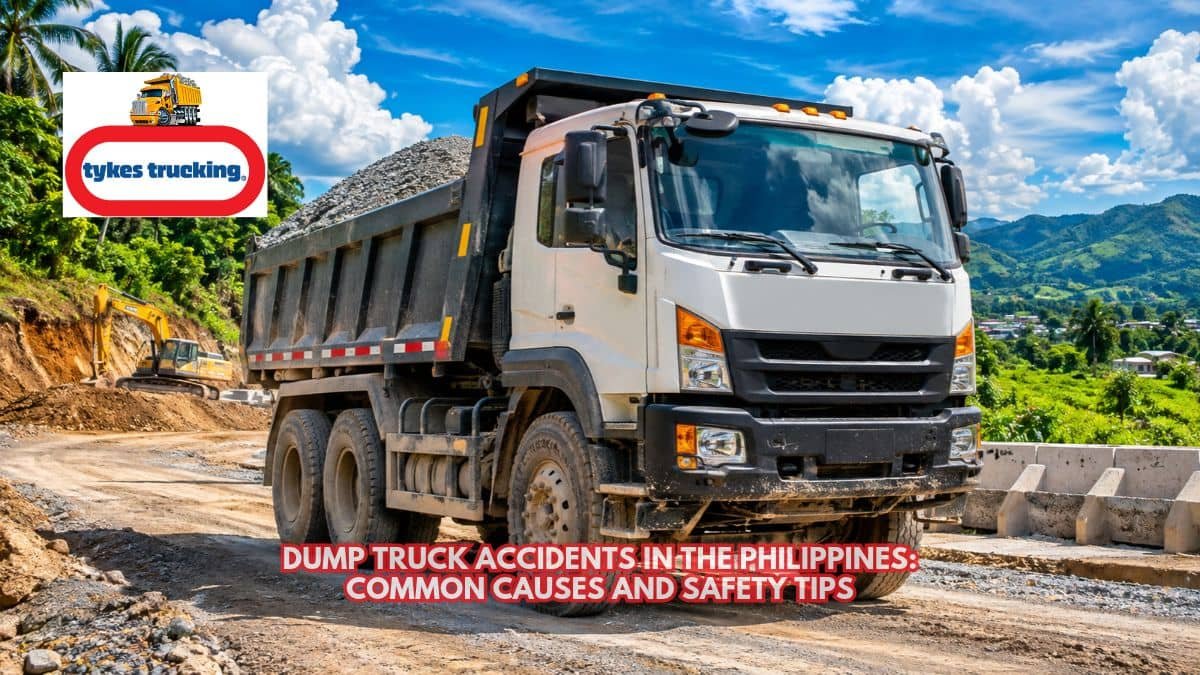
Dump trucks play an important role in construction, infrastructure development, and material hauling in the Philippines. They transport sand, gravel, soil, and other aggregates needed for residential, commercial, and public infrastructure projects.
However, their large size, heavy loads, and limited visibility also create serious safety risks. Accidents involving dump trucks can result in severe injuries, fatalities, property damage, and traffic disruptions.
These risks become even greater when trucks are overloaded, poorly maintained, or operated without proper safety precautions. Difficult road conditions, heavy rainfall, and congested streets can also make driving more challenging.
Fortunately, many accidents can be prevented through proper driver training, regular vehicle inspections, responsible loading, and safe operating practices.
Whether you’re a dump truck driver, construction contractor, fleet operator, or someone who regularly shares the road with heavy vehicles, understanding these risks can help you make safer decisions.
We’ll discuss the common causes of dump truck accidents in the Philippines and the practical steps drivers and trucking companies can take to reduce them.
Key Takeaways
- Driver safety matters: Fatigue, distractions, speeding, and insufficient training can increase the risk of dump truck accidents.
- Regular maintenance is essential: Inspecting brakes, tires, hydraulic systems, and other critical components helps identify mechanical problems early.
- Proper loading prevents hazards: Overloading and unevenly distributed materials can affect braking, handling, and vehicle stability.
- Blind spots require extra attention: Drivers should be especially careful around pedestrians, motorcycles, and smaller vehicles.
- Safe unloading reduces rollover risks: Dump trucks should unload on firm, level ground with sufficient overhead clearance.
- Philippine regulations must be followed: Trucking operators should comply with applicable LTO, DPWH, and DOLE requirements.
1. What Are Dump Trucks and Why Are They Prone to Accidents?
Dump trucks are heavy-duty vehicles designed to transport and unload loose materials such as sand, gravel, soil, rocks, and demolition debris.
They’re commonly used in construction, road development, mining, and landscaping projects. Most conventional dump trucks use a hydraulic system to raise the truck bed, allowing materials to slide out through the rear.
Although this design makes hauling and unloading more efficient, it also introduces certain safety challenges.
Several characteristics make dump trucks more difficult to operate than ordinary passenger vehicles:
- Large size and weight: Loaded dump trucks require longer stopping distances and more space to maneuver.
- Limited visibility: Blind spots can make it difficult to see motorcycles, pedestrians, and smaller vehicles.
- Vehicle stability: Heavy or unevenly distributed loads can affect handling and increase rollover risks.
- Wide turning radius: Dump trucks often need additional space when turning, especially on narrow streets.
- Challenging work environments: Construction sites may have uneven surfaces, muddy ground, and limited space for maneuvering.
These characteristics make careful driving, proper loading, and regular maintenance particularly important.
🚚 How Much Does Dump Truck Hauling Cost in the Philippines? Factors That Affect the Price
2. Notable Dump Truck Accidents in the Philippines
Accidents involving dump trucks have caused serious injuries and fatalities on Philippine roads.
While individual incidents do not necessarily indicate an increase in accidents nationwide, they demonstrate why proper safety practices are essential.
Here are two documented examples.
Olongapo City Accident — November 2023
In November 2023, four people died after a dump truck ran over a car along a highway in Olongapo City.
The accident illustrates how severe the consequences can be when large commercial vehicles collide with smaller passenger vehicles.
Quezon City Accident — August 2024
On August 21, 2024, a dump truck carrying sand collided with an L300 van along C5 Road in Libis, Quezon City.
The truck overturned, spilling sand onto the road and causing significant traffic disruption. News reports indicated that several people were injured.
The incident highlights the dangers associated with heavy vehicle collisions, overturned trucks, and spilled construction materials.
Source: GMA News
These incidents remind us that dump truck safety affects more than drivers and construction workers. It also matters to pedestrians, motorcycle riders, motorists, and surrounding communities.
Although the specific circumstances of each accident differ, understanding common risk factors can help trucking operators strengthen their safety practices.
🚚 How Big Is a 10-Ton Dump Truck? Dimensions, Capacity, and Cubic Meters Explained
3. Seven Common Causes of Dump Truck Accidents
Dump truck accidents can result from human error, mechanical problems, environmental conditions, or a combination of these factors.
Understanding the common causes makes it easier to identify potential hazards and take appropriate precautions.
1. Driver Fatigue and Distractions
Long driving hours, insufficient rest, mobile phone use, and other distractions can reduce a driver’s awareness and reaction time.
Fatigue is particularly dangerous when operating a heavy vehicle that requires more distance to stop.
Drivers should get adequate rest, take appropriate breaks during long trips, and avoid using mobile phones while driving. They should also report fatigue and avoid operating a truck when they’re too tired to drive safely.
2. Speeding and Reckless Driving
Driving too fast, following other vehicles too closely, or making sudden turns can cause a dump truck to lose control.
Because of its size and weight, a loaded dump truck generally requires more stopping distance than a smaller vehicle, especially on wet or downhill roads.
Maintaining a safe speed and allowing enough space between vehicles can help reduce these risks. Drivers should also slow down before approaching curves, intersections, and steep slopes.
3. Overloading and Improper Load Distribution
Exceeding a truck’s allowable weight can place excessive stress on its brakes, suspension, and tires.
Unevenly distributed materials can also affect stability, increasing the likelihood of tipping or rolling over.
Before transporting materials, operators should confirm that the load complies with the truck’s rated capacity and applicable Philippine weight restrictions.
Materials should be distributed evenly, while loose loads should be properly contained or covered to prevent them from spilling onto public roads.
4. Poor Vehicle Maintenance
Worn tires, faulty brakes, damaged hydraulic components, and malfunctioning lights can contribute to serious accidents.
Mechanical problems are especially dangerous when transporting heavy loads or traveling on steep roads.
Regular inspections and preventive maintenance help identify defects before they become more serious. Drivers should report mechanical problems immediately, and trucks with critical safety defects should remain out of service until the necessary repairs are completed.
5. Blind Spots and Unsafe Reversing
Dump trucks have significant blind spots, particularly behind the vehicle and along its sides.
Pedestrians, motorcycle riders, and construction workers may be difficult to see from the driver’s seat.
Drivers should check mirrors and available cameras carefully before turning, changing lanes, or reversing. In busy construction areas, trained spotters and designated pedestrian routes can help reduce collision risks.
If a driver loses sight of a spotter or becomes unsure whether the area is clear, the safest approach is to stop and reassess the situation.
6. Poor Road and Weather Conditions
Heavy rainfall, slippery roads, potholes, steep slopes, and unstable ground can make dump trucks more difficult to control.
These conditions are particularly concerning during the Philippine rainy season, when flooding, reduced visibility, and slippery surfaces may affect travel.
Drivers should adjust their speed to road conditions, avoid sudden braking or steering, and maintain adequate following distances.
It’s also important to assess planned routes and avoid roads that are flooded, unstable, or unsuitable for the vehicle’s weight and dimensions.
7. Unsafe Loading and Unloading
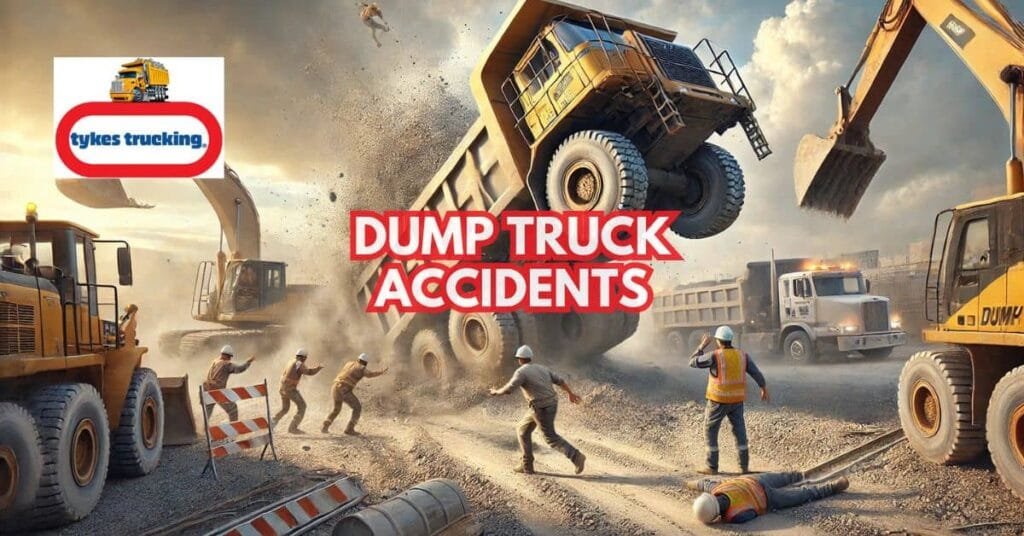
Dump trucks can tip over when unloading materials on uneven or unstable ground.
Raising the dump bed increases the vehicle’s center of gravity, making it more vulnerable to tipping, particularly when materials shift or become stuck.
Operators should use designated unloading areas with suitable ground conditions and sufficient overhead clearance.
Workers and pedestrians must remain clear of the unloading area, and drivers should stop immediately if the truck begins leaning or becomes unstable.
🚚 How Dump Truck Hauling Services Help Keep Construction Projects on Schedule
4. Essential Dump Truck Safety Practices for Drivers
Operating a dump truck safely requires more than knowing how to drive a heavy vehicle. It also involves proper training, good judgment, patience, and awareness of surrounding traffic.
Maintain a Safe Following Distance
Loaded dump trucks require additional stopping distance. Leaving enough space between vehicles gives drivers more time to react to sudden traffic changes.
This is especially important during heavy rainfall, on downhill roads, and in congested areas.
Reduce Speed Before Turning
Dump trucks need more room to turn, and excessive speed increases the risk of losing control.
Drivers should slow down before approaching sharp curves, intersections, and narrow streets. They should also consider the vehicle’s load and the condition of the road.
Stay Alert Around Smaller Vehicles
Motorcycles, bicycles, and passenger cars can enter a dump truck’s blind spots unexpectedly.
Drivers should frequently check their surroundings, signal early, and avoid sudden lane changes.
Extra caution is necessary in urban areas where motorcycles and pedestrians often travel close to larger vehicles.
Use Proper Braking Techniques
Sudden or excessive braking can affect vehicle stability, especially when carrying heavy materials.
When traveling downhill, drivers should use the appropriate gear and follow manufacturer-recommended braking procedures to help maintain control and prevent excessive brake heating.
Follow Traffic and Worksite Safety Rules
Drivers should always wear seat belts and comply with applicable traffic regulations, speed limits, road signs, and construction site procedures.
They must also hold a valid professional driver’s license with the appropriate vehicle authorization.
Most importantly, drivers should never operate a dump truck when fatigued, distracted, or otherwise unfit to drive safely.
🚚 Box Dump Truck vs. Traditional Dump Truck: Which Is Right for Your Project?
5. Pre-Trip Inspection Checklist for Dump Trucks
A thorough pre-trip inspection helps identify mechanical problems before they lead to breakdowns or accidents.
For dump trucks used in aggregate hauling, particular attention should be given to the braking system, tires, hydraulic components, and load-carrying equipment.
Drivers should inspect the following:
| Component | What to Check |
| Tires | Inflation, tread condition, and visible damage |
| Brakes | Service brakes, parking brake, and warning indicators |
| Lights | Headlights, brake lights, and turn signals |
| Mirrors and cameras | Cleanliness, positioning, and proper operation |
| Hydraulic system | Fluid leaks, damaged hoses, and lifting components |
| Engine and fluids | Engine oil, coolant, and other required fluid levels |
| Dump bed and tailgate | Structural damage, hinges, latches, and locking mechanisms |
| Warning devices | Horn, reverse alarm, and other installed safety equipment |
| Load | Weight, distribution, stability, and appropriate covering |
Any significant defect should be reported and corrected before operating the vehicle.
Pre-trip inspections should also be supported by scheduled preventive maintenance, following the truck manufacturer’s recommendations and applicable regulatory requirements.
Remember, a few minutes spent inspecting a truck can help prevent a much more serious problem on the road.
🚚 Dump Truck for Hire: What Materials Can We Haul for Your Construction Project?
6. Safe Loading and Unloading Practices
Proper load management is essential for dump truck safety.
Whether you’re transporting sand, gravel, or soil, the way materials are loaded, secured, and unloaded directly affects vehicle stability and overall safety.
Safe Loading Practices
Before leaving the loading area, operators should:
- Confirm that the load is within the truck’s rated capacity and applicable legal weight limits.
- Distribute materials evenly across the truck bed.
- Avoid loading materials in a way that compromises stability or exceeds the manufacturer’s specifications.
- Use appropriate coverings or containment measures to prevent loose materials from spilling.
- Ensure the tailgate is properly closed and secured.
- Check that the dump bed is fully lowered before traveling.
For aggregate hauling operations, preventing material spillage is especially important because sand, gravel, and loose debris can create hazards for motorcycles and other road users.
Safe Unloading Practices
When unloading materials, drivers should:
- Position the truck on firm, level ground whenever possible.
- Check for overhead electrical lines, tree branches, buildings, and other obstructions.
- Keep workers, pedestrians, and vehicles outside the unloading area.
- Apply the parking brake and follow the manufacturer’s unloading instructions.
- Raise the dump bed carefully while monitoring vehicle stability.
- Stop operations if the truck begins leaning or materials become stuck.
- Lower the dump bed completely before moving the vehicle.
Operators should never attempt to dislodge stuck materials through unsafe maneuvers.
Likewise, no one should enter the area beneath a raised dump bed unless it is properly supported using the manufacturer’s approved maintenance procedures and safety devices.
These precautions are particularly important on construction sites where ground conditions can change due to excavation, rainfall, or repeated movement of heavy equipment.
🚚 How to Choose the Right Dump Truck Hauling Service in the Philippines
7. How Technology Can Improve Dump Truck Safety
Modern safety technologies can help reduce certain risks associated with dump truck operations.
Although these features are not available on every truck, they can provide additional support for drivers and fleet operators.
Backup cameras and proximity sensors can improve visibility around the vehicle, particularly when reversing or maneuvering in confined areas.
GPS tracking and fleet monitoring systems can help companies monitor vehicle locations, review routes, and identify potentially unsafe driving patterns.
Electronic stability control, when installed and compatible with the vehicle, can help reduce certain loss-of-control and rollover risks during driving. However, it cannot eliminate the possibility of tipping, particularly during unloading.
Dash cameras can provide useful recordings for driver coaching, incident reviews, and accident investigations.
Tire pressure monitoring systems can help detect abnormal tire pressure conditions before they develop into more serious problems.
While these technologies offer benefits, they should complement rather than replace proper driver training, vehicle maintenance, and safe operating procedures.
Even a truck equipped with advanced safety features requires a skilled and responsible driver.
🚚 Comparing Different Types of Dump Beds for Trucks: Which One Is Right for You?
8. Dump Truck Safety Regulations in the Philippines
Dump truck operators in the Philippines must comply with applicable transportation, vehicle weight, and occupational safety regulations.
These requirements help establish standards for driver qualifications, roadworthiness, loading, and safe workplace operations.
Republic Act No. 8794 — Vehicle Weight Restrictions
Republic Act No. 8794, also known as the Motor Vehicle User’s Charge Law, includes provisions addressing truck overloading.
Its implementing rules establish allowable gross vehicle weight limits based on vehicle configurations, along with applicable axle load restrictions.
Trucking companies should ensure that their vehicles comply with these requirements, particularly when transporting heavy construction materials such as sand, gravel, and crushed stone.
Overloading can result in penalties and can compromise braking, handling, and vehicle stability.
Reference: Republic Act No. 8794
Republic Act No. 11058 — Occupational Safety and Health
Republic Act No. 11058 strengthens compliance with occupational safety and health standards in Philippine workplaces.
It addresses employer and worker responsibilities relating to hazard prevention, safety training, protective equipment, and workplace safety programs.
The Department of Labor and Employment (DOLE) issued Department Order No. 252-25 in 2025, revising the implementing rules and regulations of this law.
These requirements are relevant to trucking businesses and construction operations, depending on the nature of their activities and workplaces.
Reference: Republic Act No. 11058
Land Transportation Office (LTO) Requirements
Dump truck drivers must hold a valid professional driver’s license with the appropriate Driver’s License (DL) code for the vehicle they operate.
Under the LTO’s licensing system, DL Code C covers heavy commercial goods vehicles classified as N2 and N3.
Trucking companies must also ensure their vehicles meet applicable registration, roadworthiness, and other operating requirements.
Construction Site Safety Requirements
Dump trucks operating on construction sites may also be subject to DOLE’s construction safety requirements, including Department Order No. 13, Series of 1998, together with other applicable and updated occupational safety rules.
Depending on the project and equipment involved, these may include requirements relating to worker training, heavy equipment safety, personal protective equipment, and construction safety programs.
Operators should also observe applicable local government traffic ordinances, designated truck routes, and restrictions that may apply to particular roads or areas.
By following these regulations, trucking companies can help protect drivers, workers, and the public while maintaining responsible operations.
🚚 Dump Truck Bed Liners: Types, Benefits, Costs, and How to Choose
9. Building a Strong Safety Culture in Trucking Operations
Preventing dump truck accidents should never be the responsibility of drivers alone.
Trucking companies, construction contractors, supervisors, and site workers all play important roles in maintaining safe operations.
A strong workplace safety culture begins with consistent practices.
Provide regular driver training. Drivers should receive appropriate instruction on defensive driving, vehicle inspections, load management, and emergency procedures.
Encourage hazard reporting. Employees should feel comfortable reporting unsafe equipment, dangerous road conditions, and operational concerns without fear of retaliation.
Conduct regular safety meetings. Toolbox meetings can help remind workers about current hazards, site conditions, and proper operating procedures.
Maintain vehicles consistently. Preventive maintenance should be scheduled and documented instead of waiting until a truck develops serious mechanical problems.
Establish clear worksite traffic rules. Designated vehicle routes, pedestrian areas, unloading zones, and communication procedures can reduce accidents involving workers and moving equipment.
Companies should also review accidents and near-miss incidents to identify potential improvements.
When safety becomes part of everyday operations rather than an occasional reminder, everyone benefits.
🚚 Construction and Material Hauling by Dump Trucks
10. What to Do After a Dump Truck Accident
Even with preventive measures in place, accidents can still happen.
Knowing how to respond can help protect people at the scene and prevent additional injuries.
If a dump truck accident occurs:
- Stop and assess the situation. Bring the vehicle to a safe stop, switch off the engine when appropriate, and check for immediate hazards.
- Call emergency services. Dial 911 in the Philippines when police, medical, fire, or rescue assistance is needed.
- Keep people away from danger. Watch for leaking fuel, unstable loads, damaged equipment, and fallen electrical lines.
- Provide appropriate first aid. Assist injured individuals only when the scene is safe and within your level of training.
- Avoid unnecessary movement of injured people. Unless they face immediate danger, seriously injured individuals should be attended to by qualified responders.
- Report the accident. Notify the appropriate authorities, company supervisor, and other relevant parties.
- Document the incident safely. When permitted and without interfering with emergency response, record important details and photographs for reporting purposes.
Trucking companies should also maintain emergency response procedures and ensure employees understand their responsibilities.
After an accident, reviewing the circumstances can help identify safety improvements and reduce the likelihood of similar incidents.
Frequently Asked Questions (FAQs)
1. What are the most common causes of dump truck accidents?
Common contributing factors include speeding, driver fatigue, improper loading, mechanical failures, blind spots, poor road conditions, and unsafe unloading practices.
The circumstances vary from one accident to another, and determining the exact cause usually requires an investigation.
2. How can dump truck accidents be prevented?
Many accidents can be prevented through defensive driving, proper driver training, regular vehicle inspections, safe load management, and compliance with traffic and workplace safety regulations.
Drivers should also remain alert to changing road conditions and avoid operating trucks when fatigued or distracted.
3. Why are overloaded dump trucks dangerous?
Overloading can increase stopping distances, affect steering and handling, place excessive stress on vehicle components, and increase rollover risks.
It may also violate Philippine vehicle weight restrictions under Republic Act No. 8794 and its implementing rules.
4. How often should dump trucks be inspected?
Drivers should conduct pre-trip inspections before operating a dump truck.
Additional inspections and preventive maintenance should follow the manufacturer’s recommendations, company procedures, and applicable regulatory requirements.
Trucks showing serious mechanical defects should not be operated until the necessary repairs are completed.
5. What causes a dump truck to tip over while unloading?
Dump trucks may tip over because of uneven ground, unstable soil, improperly distributed loads, shifting or stuck materials, or unsuitable unloading conditions.
Raising the dump bed increases the vehicle’s center of gravity, making proper positioning and stable ground particularly important.
6. Are dump trucks safe to operate during heavy rain?
Dump trucks can operate during rainy weather when the vehicle, route, visibility, and ground conditions remain suitable.
However, heavy rainfall can increase the risk of slippery roads, flooding, reduced visibility, and unstable ground.
Drivers should reduce speed, maintain adequate following distances, and suspend operations when conditions become unsafe.
7. What driver’s license is required to operate a dump truck in the Philippines?
Dump truck drivers generally need a valid professional driver’s license with the appropriate DL code for the vehicle.
For heavy commercial goods vehicles classified as N2 or N3, LTO DL Code C applies.
Drivers and operators should confirm the specific licensing requirements for their vehicle and any other applicable qualifications.
8. What laws regulate dump truck operations in the Philippines?
Relevant regulations include Republic Act No. 8794 on vehicle overloading, Republic Act No. 11058 and its updated implementing rules on occupational safety and health, applicable LTO requirements, and DOLE construction safety standards.
Local traffic ordinances and truck route restrictions may also apply depending on the operating location.
Conclusion: Making Dump Truck Safety a Priority
Dump trucks are essential to construction and infrastructure development in the Philippines, but operating them safely requires proper planning, responsible driving, and consistent maintenance.
From preventing overloading and mechanical failures to managing blind spots and unloading materials properly, every precaution helps reduce accident risks.
For drivers and trucking companies, prioritizing safety is more than a regulatory responsibility. It helps protect lives, minimize project disruptions, and support reliable hauling operations.
By investing in driver training, following established safety procedures, and maintaining vehicles properly, we can contribute to safer roads and construction sites.
Looking for Reliable Aggregate Hauling Services?
At Tykes Trucking Services, we understand how important dependable transportation is to the success of any construction or landscaping project.
We provide aggregate delivery and hauling services for materials such as sand, gravel, and other construction aggregates.
Whether you’re a contractor, builder, or property owner, we’re here to help you manage your material hauling requirements and keep your project moving.
Need aggregate delivery or hauling assistance?
Contact Tykes Trucking Services through any of the following:
- Phone: 0917-543-5019
- Facebook: Tykes Trucking Services
- Contact Form: Send Us an Inquiry
Let Tykes Trucking Services help with your construction material hauling needs.
Content Disclaimer
This article is provided for general educational and informational purposes only. It discusses common dump truck accident risks, preventive safety practices, and relevant Philippine regulations.
The information is not a substitute for professional driver training, manufacturer operating instructions, legal advice, or official workplace safety guidelines.
Safety procedures and regulatory requirements may vary depending on the vehicle, location, and nature of the operation. Laws and regulations may also change over time.
Drivers, trucking companies, and contractors should consult qualified professionals and refer to the latest requirements issued by the Land Transportation Office (LTO), Department of Public Works and Highways (DPWH), Department of Labor and Employment (DOLE), and other relevant authorities.
Although the safety measures discussed can help reduce risks, they cannot guarantee that accidents will never occur. Readers should exercise appropriate caution and comply with all applicable safety standards.