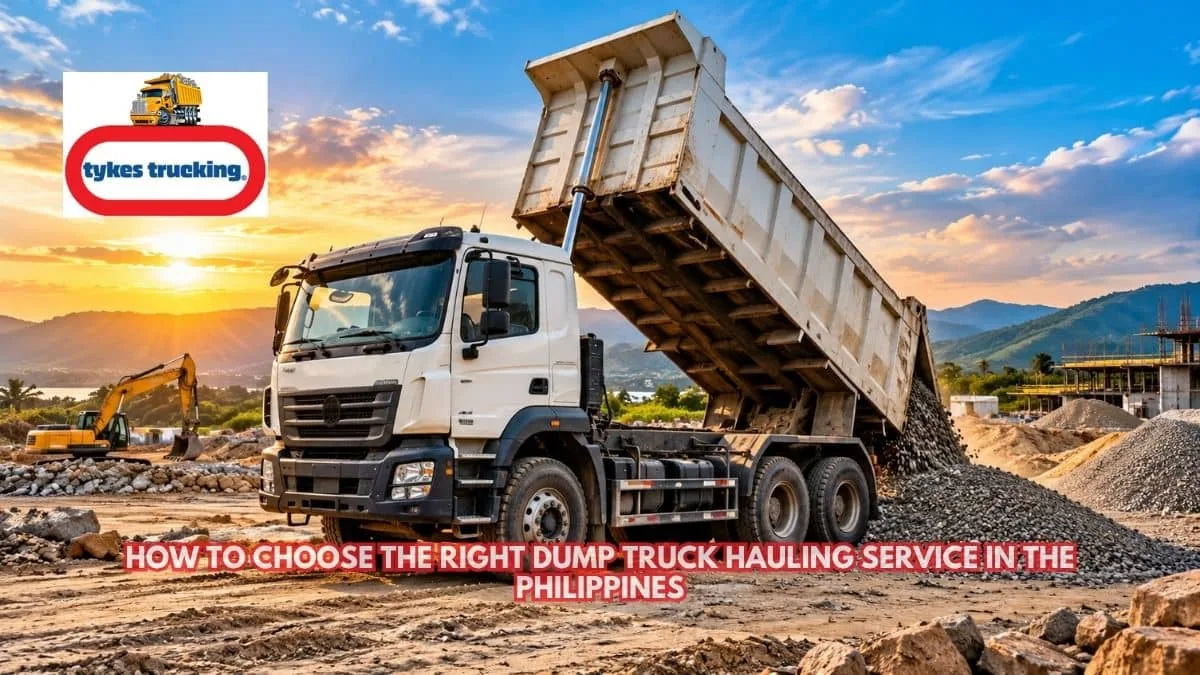
Choosing a dump truck hauling service involves more than finding an available truck at a good price. The type and quantity of material you’re moving, the truck’s capacity, road and site conditions, hauling distance, and project schedule can all affect which service is right for the job.
Whether you’re transporting gravel, sand, soil, filling materials, aggregates, or non-hazardous construction debris, choosing the right hauling provider can help keep your project organized and reduce avoidable delays and unexpected costs.
This is especially important in the Philippines, where road conditions, traffic restrictions, vehicle weight limits, local ordinances, and site accessibility can affect hauling operations.
In this guide, we’ll walk you through the most important things to consider when choosing a dump truck hauling service for your project.
Key Takeaways
- Identify the material, estimated quantity, pickup and delivery locations, site conditions, and schedule before requesting a quote.
- Choose a truck type and capacity appropriate for both the material and the job site.
- Consider weight as well as volume because materials such as sand, soil, and aggregates have different densities.
- Check road and site access, unloading space, overhead obstructions, and local traffic restrictions.
- Verify that the trucks are properly registered and that drivers are appropriately licensed for the vehicles they operate.
- For truck-for-hire services and specialized hauling, check whether additional permits, registrations, or operating authority apply.
- Never assume an ordinary dump truck service is authorized to transport hazardous waste.
- Compare quotations based on the same scope of work and ask what additional charges may apply.
- Check the company’s equipment, reputation, availability, and communication before hiring.
- Put important pricing, scheduling, and project requirements in writing.
1. Start With Your Hauling Requirements
Before contacting a dump truck hauling company, first determine what your project actually requires.
Start with the material. Are you transporting gravel, sand, soil, filling materials, aggregates, construction debris, or something else?
Different materials have different densities and handling requirements. This affects how much a truck can safely and legally carry.
Next, estimate how much material needs to be transported. Depending on the project and material, this may be expressed in cubic meters, metric tons, truckloads, or another appropriate unit.
You should also identify:
- Pickup location
- Delivery or approved disposal location
- Estimated quantity
- Hauling distance
- Preferred date and schedule
- Loading and unloading requirements
- Road and site conditions
- Any access or traffic restrictions
You don’t necessarily need to know every technical detail before contacting a hauling company. A good provider should be able to help you determine an appropriate hauling arrangement once you explain the project.
The more accurate the information you provide, however, the easier it is to estimate the trucks, trips, schedule, and cost required.
🚚 Comparing Different Types of Dump Beds for Trucks: Which One Is Right for You?
2. Choose a Dump Truck Suitable for the Job
Not every dump truck is suited to every project.
For many construction, landscaping, earthmoving, and aggregate-delivery jobs in the Philippines, conventional dump trucks are commonly used to transport materials such as sand, gravel, soil, and filling materials.
Other truck configurations and heavy equipment may be more appropriate for specialized projects, difficult terrain, unusually large quantities, or particular loading and unloading conditions.
Instead of choosing a truck based only on its apparent size, consider:
- Material being transported
- Expected payload
- Road conditions
- Entrance and exit dimensions
- Turning space
- Ground conditions
- Unloading area
- Hauling distance
If you’re unsure what truck you need, tell the hauling provider what material you’re moving, how much you expect to transport, and what the job site is like.
The provider should then be able to recommend an appropriate truck or hauling arrangement.
🚚 Dump Truck Bed Liners: Types, Benefits, Costs, and How to Choose
3. Consider Weight as Well as Volume
One of the most important things to understand about dump truck capacity is that volume and weight are not the same thing.
A truck may have enough physical space to hold a particular volume of material but reach its allowable weight before the dump body is completely full.
This matters when hauling dense materials such as sand, gravel, aggregates, and certain types of soil.
In the Philippines, overloading rules apply to trucks and trailers. Republic Act No. 8794 provides penalties for loading beyond the prescribed gross vehicle weight and establishes axle-load restrictions.
For this reason, you shouldn’t estimate hauling capacity based solely on how much material appears to fit inside the truck.
Give the hauling provider accurate information about the material and estimated quantity so the provider can determine an appropriate payload and number of trips.
🚚 Understanding Dump Truck Sizes: How to Select the Best Fit for Your Needs
4. Check Road and Site Access
A truck can be suitable for the material but unsuitable for the job site.
Before scheduling a delivery or haul, consider how the truck will enter the property, maneuver, unload, and leave.
Check for:
- Narrow entrances
- Limited turning space
- Low electrical or communication lines
- Tree branches and other overhead obstructions
- Gates and structures
- Steep slopes
- Soft or muddy ground
- Uneven surfaces
- Limited unloading space
- Weight-restricted roads or bridges
- Local traffic restrictions
Overhead clearance deserves particular attention because a dump truck requires substantially more vertical space when its dump body is raised.
You should also consider whether trucks can safely enter and leave the property without obstructing traffic or creating unnecessary hazards.
If access is difficult, tell the hauling company before the scheduled job. Photos, measurements, or a site inspection may help determine whether the proposed truck can safely operate there.
🚚 The Importance of Reefer Truck Delivery in the Food Supply Chain
5. Consider Traffic and Route Restrictions
Traffic conditions can have a major effect on hauling operations in the Philippines, particularly in highly urbanized areas.
Depending on the location and route, trucks may be subject to truck bans, restricted operating hours, road classifications, weight restrictions, or other traffic regulations imposed by national agencies or local government units.
These restrictions can affect:
- Pickup and delivery schedules
- Available routes
- Number of trips completed per day
- Travel time
- Overall hauling cost
Ask your hauling provider whether any known truck restrictions apply to the proposed route.
For time-sensitive projects, route planning is especially important. A schedule that looks practical based only on distance may become unrealistic once traffic conditions and truck restrictions are considered.
Because local traffic regulations can change, requirements should be confirmed for the actual route and date of the job.
🚚 A Comprehensive Guide to Excavation Hauling Services in Marikina: What You Need to Know
6. Verify Registration, Driver Licensing, and Applicable Authority
Before hiring a dump truck service, make sure the provider is operating appropriately for the type of service being offered.
Vehicles operating on public roads should have current Land Transportation Office (LTO) registration. Drivers should also hold a valid driver’s license with the appropriate vehicle category for the truck they operate.
Under the LTO driver’s license classification system, heavy goods vehicles fall under specific vehicle categories, so the driver’s license should correspond to the vehicle being driven.
If the company operates trucks for hire, additional regulatory requirements may apply. The Land Transportation Franchising and Regulatory Board (LTFRB), for example, regulates certain truck-for-hire operations.
The exact requirements can depend on the nature of the operation, vehicle, route, and service being provided.
For a commercial project, don’t hesitate to ask the hauling provider about its vehicle registration and other applicable operating documents.
🚚 The Role of Refrigerated Trucking Services in Marikina in the Supply Chain
7. Check Insurance Coverage
Insurance is another important consideration when hiring a hauling provider.
Motor vehicles registered in the Philippines are subject to compulsory motor vehicle liability insurance requirements. However, compulsory coverage should not automatically be interpreted as comprehensive protection against every possible loss arising from a hauling operation.
For larger or higher-risk projects, ask the provider what insurance coverage applies to its trucks and operations.
Depending on the project, you may want to understand how the provider handles incidents involving:
- Vehicle accidents
- Third-party injury
- Property damage
- Damage occurring on the project site
- Damage to transported materials, where applicable
If insurance coverage is particularly important to your contract, request the relevant documentation and clarify the scope of coverage before work begins.
🚚 Secure Your Load, Secure Your Crew: A Guide to Flatbed Truck Fall Protection
8. Understand the Difference Between Ordinary Materials and Waste
This distinction is particularly important for hauling projects.
Transporting sand, gravel, aggregates, soil for legitimate reuse, and similar construction materials is not necessarily the same regulatory activity as collecting and disposing of waste.
Republic Act No. 9003, or the Ecological Solid Waste Management Act of 2000, covers non-hazardous solid waste, including construction debris. Waste should be brought to appropriate facilities or destinations rather than dumped indiscriminately.
If your project involves removing construction or demolition debris, ask where the material will be taken and whether the proposed destination is appropriate for that type of waste.
You should also identify the material accurately. A load that appears to be ordinary construction debris may contain materials requiring different handling.
Never assume that an ordinary dump truck hauling company is authorized to transport every type of waste.
🚚 What Happens at the Back of the Garbage Truck? Understanding the Mechanisms
9. Treat Hazardous Waste as a Specialized Service
Hazardous waste should not be treated like ordinary construction debris or aggregate hauling.
In the Philippines, hazardous-waste transport is regulated by the Department of Environment and Natural Resources (DENR) through the Environmental Management Bureau (EMB).
Hazardous-waste transporters are subject to specialized registration and documentation requirements. Depending on the circumstances, applicable requirements may include registered transporters, permits to transport, manifests, and registered treatment, storage, and disposal facilities.
If you suspect that the material may be hazardous, identify and classify it properly before arranging transportation.
Use an appropriately registered hazardous-waste transporter when required and follow the applicable DENR-EMB requirements.
🚚 How to Choose the Right Reefer Truck Rental for Your Needs
10. Research the Hauling Company’s Reputation
Price matters, but reliability matters too.
An inexpensive hauling rate may not save you money if trucks regularly arrive late, equipment breaks down, or the provider is difficult to contact when plans change.
Check customer feedback when available and look for recurring comments about:
- Punctuality
- Truck condition
- Driver professionalism
- Communication
- Reliability
- Billing
- Problem resolution
One negative review doesn’t necessarily indicate a poor company. Patterns across multiple reviews are usually more useful.
For larger projects, you can also ask whether the company has experience handling jobs similar to yours.
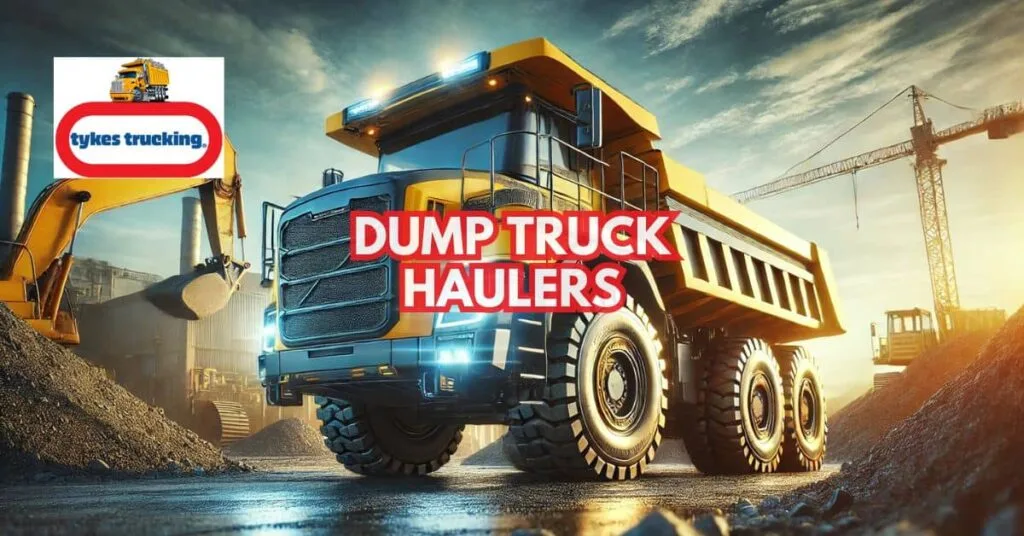
🚚 Dump Truck Hauling Solutions
11. Check the Condition of the Trucks
Well-maintained trucks can reduce the risk of breakdowns and unnecessary delays.
You don’t need to perform a mechanical inspection yourself, but you can ask reasonable questions about the provider’s fleet and maintenance practices.
For example:
- Are the trucks regularly inspected and maintained?
- Are they currently registered?
- How does the company handle preventive maintenance?
- What happens if a truck breaks down during a scheduled job?
- Is another truck available when necessary?
For larger or time-sensitive projects, backup capacity can be valuable because a mechanical problem with one truck could otherwise affect the hauling schedule.
12. Compare the Total Cost, Not Just the Hauling Rate
Dump truck hauling services can use different pricing methods depending on the provider and type of job.
A quotation may be based on factors such as:
- Number of trips
- Truckload
- Distance
- Hours of service
- Material quantity or weight
- Truck type
- Pickup and delivery locations
Additional costs may also arise from circumstances such as:
- Tolls
- Fuel adjustments
- Waiting time
- Additional trips
- Extended loading or unloading time
- Disposal or facility fees
- Difficult site conditions
- Schedule changes
Ask what is included in the quotation and what could cause the final price to change.
Whenever possible, compare quotations based on the same scope of work.
A cheaper price per trip isn’t necessarily the cheaper option if the truck carries less material, additional charges apply, or more trips are required.
13. Confirm Availability and Scheduling
Dump truck hauling is often only one part of a larger construction or landscaping operation.
Loaders, excavators, workers, suppliers, and other contractors may all depend on trucks arriving at the expected time.
Before booking, confirm:
- Date and starting time
- Number of trucks required
- Estimated number of trips
- Loading arrangements
- Delivery or disposal location
- Expected turnaround time
- Contact person on the job site
Traffic should also be included in your planning.
In congested areas, a relatively short hauling distance can still take considerable time. Waiting at loading areas, construction sites, quarries, disposal facilities, or delivery locations can further reduce the number of trips completed in a day.
If your schedule is tight, discuss these limitations with the hauling provider before work starts.
14. Pay Attention to Communication and Customer Service
Good communication becomes especially important when project conditions change.
You want a hauling provider that answers questions clearly, confirms schedules, and informs you promptly when problems arise.
Pay attention to how the company communicates while you’re requesting a quotation.
Does the provider ask about the material, quantity, locations, site access, and schedule? Does it explain what’s included in the price?
These questions usually indicate that the provider is trying to understand the actual requirements of the job rather than simply quoting a truck rate.
For ongoing projects, identify who your main contact will be and how scheduling changes should be communicated.
15. Put Important Terms in Writing
For commercial and larger hauling projects, important details should be documented before work begins.
Depending on the project, the quotation, purchase order, service agreement, hauling contract, or other written document should identify relevant details such as:
- Scope of work
- Material to be transported
- Pickup location
- Delivery or disposal location
- Truck type or agreed capacity
- Estimated trips or quantity
- Schedule
- Pricing
- Payment terms
- Additional charges
- Responsibilities of each party
- Cancellation or rescheduling arrangements
- Procedures for additional work or changes in scope
Read the terms carefully and ask about anything that isn’t clear.
Written terms give both parties a common reference and can reduce misunderstandings about the service, price, schedule, and responsibilities.
Before You Hire: A Quick Checklist
Before choosing a dump truck hauling service in the Philippines, ask yourself:
- What material needs to be transported?
- Approximately how much material is involved?
- Where is the pickup point?
- Where will the material be delivered or legally disposed of?
- What truck type and capacity are appropriate?
- Can the truck safely enter, maneuver, unload, and leave the site?
- Are there truck bans, road restrictions, or access limitations along the route?
- Are the trucks properly registered?
- Are the drivers appropriately licensed for the vehicles they operate?
- Does the provider have any additional authority or permits required for the service?
- Is the equipment properly maintained?
- What does the quotation include?
- What additional charges could apply?
- Is the provider available on the required date?
- Are the important terms documented?
- If waste is involved, is the proposed handling and destination appropriate?
- If hazardous waste is involved, is a properly registered specialist being used?
Answering these questions will put you in a much better position to compare providers and choose a hauling service suited to your project.
Choosing the Right Dump Truck Hauling Service
The right hauling provider isn’t necessarily the company with the biggest truck or the lowest advertised rate.
What matters is whether the provider can supply appropriate equipment and reliable service for the actual requirements of your project.
Start by identifying what you’re transporting, how much material needs to move, where it needs to go, and what road and site conditions the trucks will encounter.
Then compare providers based on truck capacity, equipment condition, applicable registrations and authority, availability, communication, experience, and total project cost.
A little planning before the first truck arrives can help prevent avoidable delays, unexpected charges, access problems, and hauling arrangements that don’t match the job.
Frequently Asked Questions About Dump Truck Hauling in the Philippines
What information should I provide when requesting a dump truck quotation?
Tell the provider what material you need transported, the estimated quantity, pickup and delivery locations, preferred schedule, and any important site-access information.
If access is difficult, photos or measurements of the entrance, road, and unloading area can also be useful.
How do I know what size dump truck I need?
The appropriate truck depends on the material, quantity, weight, road conditions, site access, and applicable vehicle limits.
Rather than choosing solely by truck-bed size, give the hauling provider details about your project and ask what truck and number of trips are appropriate.
Is dump truck capacity measured by cubic meters or tons?
Both volume and weight can matter.
Materials may be estimated or sold by volume or weight depending on the supplier and material, while the truck itself is subject to applicable vehicle and load limits.
Because different materials have different densities, the same volume of sand, soil, and other aggregates will not necessarily weigh the same.
Can a dump truck be loaded until the bed is full?
Not necessarily.
The truck can reach its allowable weight before the dump body is physically full, particularly with dense materials.
Truck loading should comply with applicable gross vehicle weight and axle-load requirements.
Are there truck bans in the Philippines?
Truck restrictions exist in some areas, but the rules depend on the city, road, vehicle, time, and applicable local regulations.
Because these restrictions can change, check the rules for the actual route and scheduled date rather than assuming the same truck-ban rules apply everywhere in the Philippines.
How are dump truck hauling services priced?
Pricing varies by provider and project. A company may quote by trip, truckload, hour, distance, material quantity, or another agreed basis.
Ask what the quotation includes and whether additional costs could apply for tolls, waiting time, disposal fees, extra trips, difficult access, or other circumstances.
Can dump trucks haul construction debris?
Dump trucks may be used to transport certain non-hazardous construction debris, but the material and disposal destination must be appropriate.
Construction debris falls within the Philippine solid-waste framework under Republic Act No. 9003. Waste should be handled and taken to appropriate facilities or destinations in accordance with applicable requirements.
Can an ordinary dump truck company transport hazardous waste?
Not automatically.
Hazardous-waste transport is subject to specialized DENR-EMB requirements. Registered hazardous-waste transporters, permits, manifests, and appropriate treatment, storage, or disposal facilities may be required.
If there’s any uncertainty about whether a material is hazardous, have it properly identified before arranging transportation.
What documents should I check before hiring a dump truck service?
Depending on the job, relevant documents can include current vehicle registration, appropriate driver’s licenses, insurance documentation, and any operating authority or permits applicable to the service.
Specialized waste-hauling projects may require additional environmental registrations and permits.
Should I choose the cheapest dump truck quotation?
Price should be considered together with truck capacity, number of trips, equipment condition, availability, reliability, and what’s actually included in the quotation.
Compare providers using the same scope of work rather than looking only at the lowest per-trip or hourly rate.
How far in advance should I book?
There isn’t one booking period that applies to every project.
Availability depends on the number of trucks required, project location, schedule, traffic conditions, and current demand. Booking early is generally helpful for large projects or jobs that require several trucks on a specific date.
Dump Truck Hauling and Aggregate Delivery From Tykes Trucking Services
If you need aggregates delivered or materials hauled for a construction, landscaping, or similar project, Tykes Trucking Services is ready to help.
We provide dump truck hauling and aggregate delivery services for materials such as gravel, sand, and other aggregates.
When requesting a quotation, tell us what material you need transported, the estimated quantity, pickup and delivery locations, site conditions, and preferred schedule. Providing these details helps us assess the hauling requirements and recommend an appropriate arrangement for your project.
For inquiries and bookings, contact Tykes Trucking Services at 0917-543-5019, message us through our Facebook page, or use the contact form on our website.
Content Disclaimer
This article is provided for general informational purposes only and is intended primarily for readers seeking dump truck hauling services in the Philippines.
Transportation, motor vehicle registration, driver licensing, truck-for-hire operations, vehicle weight limits, traffic restrictions, waste management, environmental compliance, insurance, and other requirements may vary depending on the vehicle, material, location, route, project, and applicable national or local regulations.
Rules and administrative requirements may also change over time. Readers should verify current requirements with the appropriate Philippine government agency or local government unit when necessary, including the Land Transportation Office (LTO), Land Transportation Franchising and Regulatory Board (LTFRB), Department of Public Works and Highways (DPWH), Department of Environment and Natural Resources-Environmental Management Bureau (DENR-EMB), and relevant LGUs.
This article does not constitute legal, regulatory, engineering, environmental, safety, or insurance advice.
Service availability, truck capacity, materials accepted, operating areas, schedules, and pricing may vary. Contact Tykes Trucking Services directly for current service information and quotations.