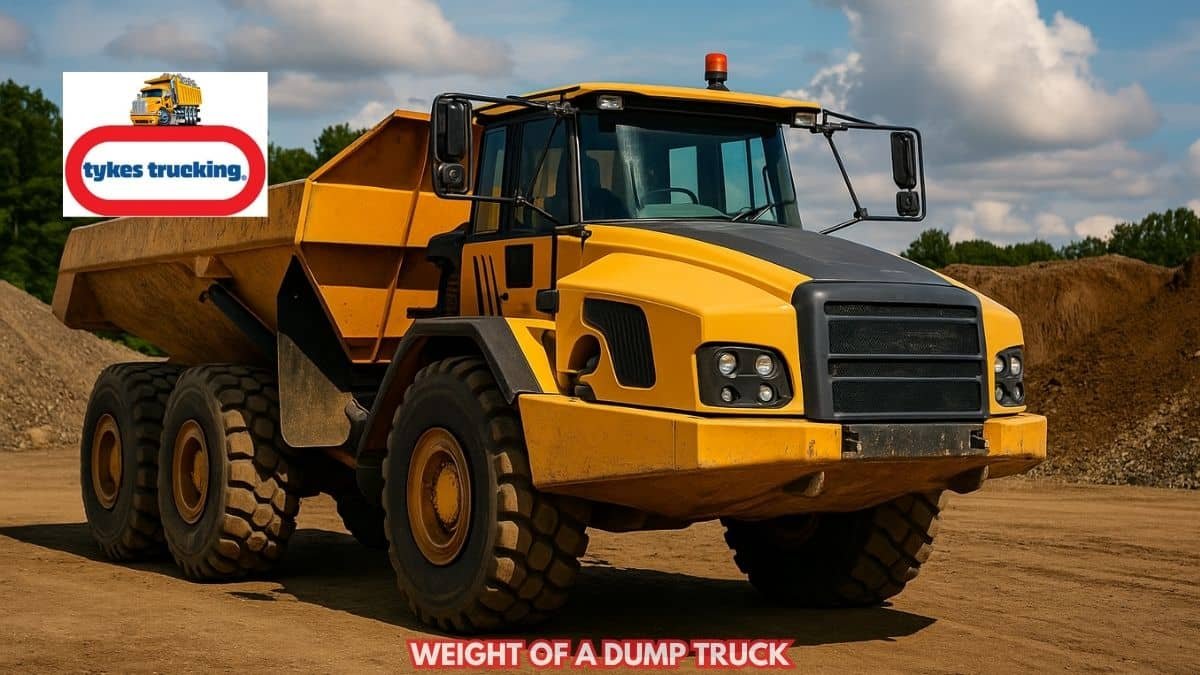
The weight of a dump truck affects how well it performs and how safe it is to drive.
Too much or uneven weight can make the vehicle unstable, damage its parts, and increase the chance of accidents.
Weight also determines how effectively the truck can carry and unload materials without straining the engine or suspension.
Because dump trucks often shift between empty and full loads, drivers must understand how weight changes performance.
Knowing these effects helps operators make better decisions that protect both people and equipment.
1. Load Weight and Vehicle Stability
When a dump truck carries too much or uneven weight, its center of gravity rises, making it easier to roll over during sharp turns or on slopes.
The weight of the truck must be distributed evenly across each axle to keep balance and maintain proper handling.
If one axle bears more weight than the others, the suspension and tires on that side wear out faster and can fail under stress.
Uneven loads also make steering harder, especially on bumpy or uneven roads.
Drivers should always check that materials like gravel or sand are spread evenly before moving.
Using load indicators or onboard scales helps confirm that no single axle is overloaded.
Keeping the load balanced and evenly supported across all parts of the truck reduces the risk of tipping and improves overall stability.
🚚 Why Tarp Systems For Dump Trucks Are Essential for Preventing Load Spillage
2. Brake System Efficiency Under Heavy Loads
Dump trucks experience constant weight changes between loaded and unloaded trips, which puts stress on their brakes.
Heavier loads increase stopping distance and can cause brakes to overheat or lose strength if not maintained properly.
Regular inspections help detect worn parts early and ensure consistent stopping power.
Using the right brake materials and keeping components clean improves safety during heavy-duty operations.
Reliable brakes are essential for stopping safely under all load conditions.
🚚 How Dump Truck Training Can Improve Job Site Safety
3. Tire Rating and Wear Due to Weight
Each tire on a dump truck is designed with a specific capacity that shows how much weight it can safely carry.
When the load goes beyond this limit, the tires experience more heat and pressure, which causes faster wear and increases the chance of a blowout.
Overloaded tires can also affect how well the truck grips the road, especially on steep or slippery surfaces.
Regularly checking air pressure and using tires that match the truck’s total weight and load capacity keeps performance steady.
Operators should replace damaged or worn tires quickly to prevent accidents and uneven handling.
Proper tire care helps extend tire life, reduce repair costs, and keep the dump truck safe and stable during every haul.
🚚 What Are the Biggest Challenges in Oversized Load Trucking?
4. Weight Impact on Fuel Efficiency
The heavier a dump truck is, the more fuel it uses because the engine must work harder to move the load.
Extra weight increases strain on the drivetrain and reduces miles per gallon, which raises operating costs.
Dump trucks typically consume large amounts of fuel when carrying heavy materials or driving uphill for long distances.
Reducing the total load and avoiding unnecessary trips helps save fuel and lowers emissions.
Keeping tires properly inflated and performing regular maintenance also improves fuel economy.
Heavy-duty trucks are built for power, but even they lose efficiency when overloaded or poorly maintained.
Planning routes that reduce idle time and using lighter materials when possible can further improve fuel performance.
Careful control of load weight helps operators manage costs and extend the life of the truck.
🚚 Understanding Garbage Truck Width: Why Size Matters in Waste Management
5. Legal Weight Limits and Compliance
Every state or region sets rules that control how much a dump truck can weigh on public roads.
These limits are based on the truck’s size, the number of axles, and its gross vehicle weight, which includes both the truck and the load it carries.
Most heavy-duty dump trucks have a maximum weight limit that ranges between 20 and 25 tons, depending on the model and local laws.
When the load goes over this limit, the extra stress can damage bridges, pavement, and the truck’s frame.
Drivers and fleet operators use weigh stations or onboard scales to check total weight before starting a trip.
Staying under the legal gross vehicle weight rating also helps prevent fines and roadside delays.
Overloaded trucks are harder to control and take longer to stop, which increases accident risk.
Following these weight rules protects both public roads and the vehicle’s mechanical systems.
By keeping each trip within the approved maximum weight, operators ensure that every haul is safe, legal, and efficient.
🚚 Mastering Long-Distance Fragile Trucking: The Gentle Giants
6. Hydraulic System Stress from Heavy Loads
The hydraulic system lifts the truck bed, and its performance depends on how much weight it handles.
When the load is too heavy, hydraulic pumps, hoses, and cylinders experience extreme pressure that can cause leaks or failures.
Over time, this stress can slow down lifting and make unloading unsafe.
Regular maintenance, such as checking for leaks and monitoring fluid levels, helps keep the system reliable.
Proper load control prevents breakdowns and improves the overall safety of the unloading process.
🚚 How to Choose the Right Tandem Dump Trucks for Your Project
7. Material Density Affecting Total Weight
Not all materials weigh the same even if they fill the truck bed to the same level.
Dense materials like wet sand, crushed rock, or gravel can make a load much heavier than it appears.
When these materials are packed tightly, the total weight can rise quickly and exceed what the dump truck can carry safely.
Knowing the density of each type of material helps operators plan loads that stay within the truck’s safe range.
For example, gravel is far denser than dry soil, which means a smaller volume can still reach the same weight limit.
Using onboard weighing tools or scale systems allows drivers to check the total weight before leaving the site.
This helps prevent overloading that could damage the suspension, tires, or hydraulic system.
By understanding how material density affects total weight, operators can make safer and more efficient hauling decisions.
🚚 Why Howo Dump Trucks Are Popular in the Heavy-Duty Truck Market
8. Road and Weather Effects on Handling
Road and weather conditions can make a heavy dump truck harder to control.
Rain, snow, or wind reduces traction and increases the stopping distance of a loaded vehicle.
Uneven or soft ground can also cause the wheels to lose grip or the truck to tip when turning.
Drivers should adjust their speed and following distance based on conditions to maintain control.
Understanding how the environment affects handling helps keep both the driver and the truck safe.
🚚 Top Challenges Facing the Trucking Business in the Philippines and How to Overcome Them
9. Operator Training on Weight Management
Proper training teaches operators how to manage load weight safely and understand how it affects truck handling.
Skilled drivers learn how much a truck weigh when empty and when fully loaded so they can avoid exceeding safe limits.
They are also trained to balance materials evenly and estimate how different materials add to the total load.
Operators use onboard monitoring systems to track weight changes during loading and unloading.
Regular refresher courses help them stay updated on safety rules and weight regulations.
Well-trained operators reduce the risk of accidents, protect equipment from damage, and keep hauling operations efficient and safe.
🚚 Dump Truck Hauling for Aggregates
10. Load Monitoring Technology Use
Modern dump trucks now use advanced tools that measure how much weight is being carried while the vehicle is in use.
These systems track both the empty weight and the load added until the truck becomes fully loaded.
Onboard scales and sensors give real-time information about how weight is distributed across the bed.
When the system detects that the load is nearing its safe limit, it alerts the driver to prevent overloading.
Fleet managers can review this data to plan hauls more efficiently and avoid breaking legal weight rules.
The technology also helps reduce wear on parts by keeping the load within the truck’s designed capacity.
By monitoring both empty and full conditions, operators can keep each trip safe, productive, and cost-effective.
🚚 Quality Dump Truck Services Marikina
💡 Conclusion
The weight of a dump truck influences every aspect of its performance, from braking and handling to fuel use and equipment wear.
Too much or uneven weight increases strain on mechanical parts and raises the risk of accidents.
Careful weight management through training, maintenance, and technology keeps dump trucks safe and reliable.
Following legal and mechanical limits prevents unnecessary costs and damage.
When handled correctly, truck weight management leads to better performance, longer lifespan, and safer operations for all.
😉 Our Services
Tykes Trucking Services provides fast and reliable delivery of aggregates and professional hauling services for your construction and landscaping needs.
Our team works hard to make sure every load is delivered safely and on time.
We use well-maintained trucks and trained drivers to ensure quality service you can trust.
For inquiries or bookings, you can call us at 0917-543-5019, message us on Facebook, or reach us through our contact form on the website.
Choose Tykes Trucking Services for dependable hauling that keeps your project moving smoothly.
❓ FAQs
1. What is the average weight of a dump truck?
The average weight of a dump truck depends on its size and type.
Small dump trucks usually weigh between 13,000 and 15,000 pounds when empty.
Larger ones, such as heavy-duty models, can weigh over 30,000 pounds before loading.
The total weight also depends on the material being hauled.
Knowing the truck’s empty and full weight helps drivers stay within safe and legal limits.
2. Why is it important to keep a dump truck’s load balanced?
Keeping the load balanced helps prevent the truck from tipping over during turns or when driving on uneven ground.
An even load also makes steering easier and reduces stress on the suspension and tires.
Unbalanced loads can cause uneven tire wear or brake strain.
Before driving, operators should check that materials are spread evenly across the bed.
Balanced loading improves both safety and performance.
3. How does the weight of a dump truck affect fuel use?
Heavier dump trucks use more fuel because the engine works harder to move the extra weight.
Even a small increase in load can lower fuel efficiency.
Planning shorter routes and avoiding unnecessary loads helps save fuel.
Proper tire pressure and regular maintenance also improve mileage.
Managing truck weight carefully keeps operating costs lower.
4. What happens if a dump truck exceeds legal weight limits?
Driving a dump truck that exceeds legal weight limits can lead to fines and penalties.
It can also damage roads, bridges, and the truck’s structure.
Overloaded trucks are harder to control and take longer to stop, which increases the risk of accidents.
Most regions require trucks to pass through weigh stations to check compliance.
Staying within legal limits helps protect both the driver and the vehicle.
5. How can technology help manage dump truck weight?
Modern dump trucks often use onboard weighing systems and sensors to track load weight.
These tools show real-time data that helps operators avoid overloading.
Some systems also alert drivers when the truck is close to its safe limit.
Fleet managers use this information to plan routes and control fuel use.
Technology makes it easier to keep trucks safe, efficient, and compliant with regulations.