Garbage trucks play an important role in keeping communities clean and safe.
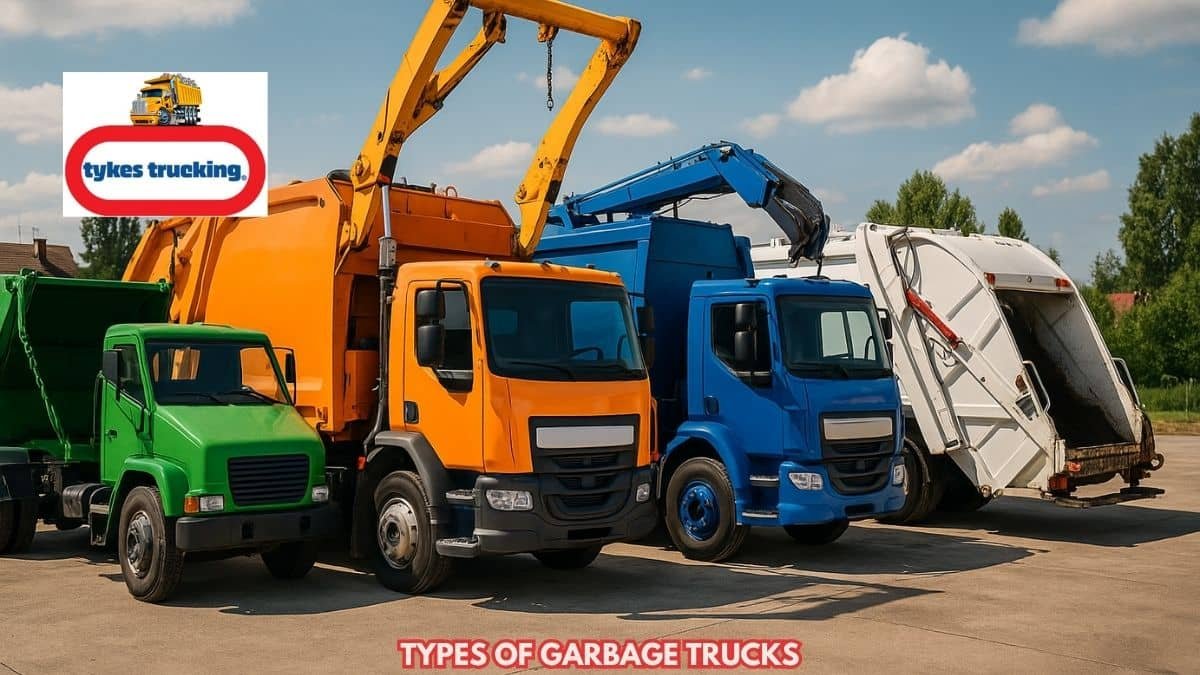
There are many types of garbage trucks, each built for different kinds of waste and collection routes.
Some are designed for everyday household trash, while others handle heavy construction debris, liquid waste, or recyclables.
Knowing the differences helps waste management teams choose the right truck for the job and collect waste more efficiently.
Understanding how each truck works also supports better recycling, lower costs, and a cleaner environment.
1. Front-Loading Garbage Trucks: Efficient for Commercial Waste
A front loader garbage truck is designed to pick up large metal dumpsters from the front using powerful hydraulic arms.
During collection, the arms lift the container over the cab and empty the waste into the top of the truck’s hopper.
This front-load system allows quick and efficient handling of heavy commercial waste.
Businesses, shopping centers, and apartment buildings often use this type of truck because they produce large amounts of trash.
Each front loader garbage truck can carry several cubic yards of compacted waste before unloading at a landfill or transfer station.
The design helps reduce the number of trips needed and keeps collection areas cleaner.
Because of their strength and storage capacity, front-load trucks are a reliable choice for commercial and industrial waste collection.
🚚 Exploring Dump Truck vs Dump Trailer Options
2. Rear-Loading Garbage Trucks: Ideal for Residential Collection
Rear loader garbage trucks are made to collect household waste efficiently, especially in narrow streets and busy neighborhoods.
These trucks have a wide rear load opening where workers place trash bags or bins for compaction.
The crew collects waste either manually or with the help of a lifting tool, depending on the size and weight of the bins.
Many trucks include a tipper that raises heavy containers and empties them safely into the hopper.
Inside the hopper, a strong metal plate presses the trash to make space for more waste.
This compaction process helps the truck carry larger loads and reduces the number of landfill trips.
Rear loaders are often chosen for residential areas because they can move easily through tight spaces.
Their design allows them to collect waste from small alleys or streets that larger trucks cannot access.
Overall, rear loader garbage trucks are dependable and efficient vehicles for daily neighborhood waste collection.
🚚 Why Dump Truck Hauling is the Right Choice
3. Side-Loading Garbage Trucks: Automated and Labor-Saving
Side loader garbage trucks are built with a strong mechanical arm that collects waste bins from the side of the truck.
This design allows the vehicle to perform a side load, which means the trash is lifted and emptied into the truck’s body without the driver leaving the cab.
An automated side loader uses sensors and hydraulic controls to grab, lift, and dump the bins quickly and safely.
Because this system needs only one operator, it saves labor and reduces the chance of injury from manual lifting.
These trucks are often used in neighborhoods where standardized carts are lined up along the street for pickup.
The automated system helps finish routes faster and keeps waste collection consistent.
Side loader garbage trucks are also cleaner to operate because trash stays contained during loading.
They are a popular choice in suburban and urban areas where efficiency and safety are priorities.
In summary, their automation and one-operator design make them one of the most modern and practical types of trash trucks in use today.
🚚 How to Select the Best Dump Truck Hauling Services in Cainta
4. Matching Garbage Trucks with the Right Containers
Garbage trucks are designed to work with specific containers that fit their lifting systems.
Front loaders use large metal bins with pockets for their lifting arms, while side loaders pick up smaller carts placed along the curb.
Roll-off and hook-lift trucks use containers that slide or hook onto the truck bed for easy transport.
When trucks and containers do not match, waste collection becomes slower and less safe.
Using compatible containers helps waste crews work faster, reduces damage to bins, and improves overall collection efficiency.
🚚 What to Look for When Choosing a Dump Truck Rental Service
5. Roll-Off Garbage Trucks: Handling Large Volumes and Debris
A roll-off truck is built to move large containers used for collecting heavy and bulky waste materials.
These trucks carry open-top dumpsters that can be left at a construction or clean-up site until they are full.
Once filled, the driver uses the truck’s hydraulic system to pull the container back onto the bed for transport.
Roll-off trucks are often used for commercial and industrial projects that produce large amounts of debris, such as concrete, metal, or wood.
Their strong design allows them to carry several cubic yards of waste in one trip.
This makes them very efficient for demolition, renovation, and major disposal work.
The ability to swap full dumpsters for empty ones saves time and keeps worksites clean.
In general, roll-off trucks provide a simple and reliable way to remove large volumes of waste from busy job sites.
🚚 Starting a Trucking Business Checklist: What You Need to Know Before Hitting the Road
6. Compactor Garbage Trucks: Maximizing Space and Reducing Trips
Compactor garbage trucks use strong hydraulic presses to crush and compress trash inside their storage area.
This system lets each trash truck carry more waste before it needs to empty the contents at a landfill or waste facility.
The compacted trash can fill up to several cubic yards, allowing workers to collect more waste during each route.
These trucks are especially useful in cities where garbage collection happens often and streets are crowded.
By fitting more trash in one trip, they save time, fuel, and maintenance costs.
The compaction system also prevents loose litter from escaping during transport.
It helps control odors by sealing the waste tightly inside the container.
All in all, compactor trucks make waste collection cleaner, faster, and more efficient for both workers and communities.
🚚 The Best Trucks for Hauling Horse Trailers: What to Look For
7. Vacuum Trucks: Managing Liquid Waste and Sludge
Vacuum trucks are specialized vehicles designed for handling liquid waste and sludge.
Using high-powered suction, these trucks can extract waste from underground tanks, septic systems, and even storm drains.
They are commonly used in industries that deal with liquid byproducts or hazardous materials.
The collected waste is securely stored in the truck’s tank for safe disposal at treatment facilities.
Vacuum trucks are essential for waste management in areas where liquid waste needs to be controlled and transported without spillage.
🚚 Understanding the Mechanics of the Garbage Truck Hydraulic System: How It Works and Why It Matters
8. Recycling Trucks: Collecting and Sorting Recyclables
Recycling trucks are designed to collect recyclable materials, such as paper, glass, and plastics, often separated into different compartments.
These trucks help streamline the recycling process by keeping different types of recyclables organized for sorting at recycling facilities.
They play a critical role in reducing landfill waste and promoting environmental sustainability.
Some recycling trucks are equipped with compactors to maximize the amount of recyclable material they can transport.
The use of these trucks is key to improving the efficiency of recycling programs and supporting eco-friendly waste management efforts.
9. Hook-Lift Garbage Trucks: Versatile and Easy Container Handling
Hook-lift garbage trucks use a hydraulic hook system to lift and move large containers with accuracy and control.
Each container, often called a waste container, can be placed on the ground to be filled and then lifted back onto the truck when ready for transport.
This design allows the driver to change containers quickly without extra tools or machinery.
In some cases, a grapple truck is used nearby to collect bulky debris or heavy materials and place them into the waste container before the hook-lift truck arrives.
This teamwork helps speed up waste removal at construction and industrial sites.
The hook-lift mechanism is strong enough to handle containers of different sizes, making it useful for many types of waste collection jobs.
Because of its flexibility and efficiency, the hook-lift garbage truck is an essential vehicle in modern waste management operations.
🚚 Understanding the Different Types of Dump Trucks and Their Uses
10. Specialized Garbage Trucks: For Unique Waste Management Needs
Specialized garbage trucks are designed to handle specific types of waste, such as hazardous materials, medical waste, or electronics.
These trucks come equipped with specialized compartments and safety features to ensure that potentially dangerous waste is transported safely.
For example, trucks dealing with medical waste may have sealed, sanitary compartments to prevent contamination.
Specialized trucks are crucial for industries where standard garbage trucks are not equipped to manage the unique risks associated with certain waste types.
They ensure compliance with regulations and safe disposal practices for hazardous materials.
🚚 Hauling Services Using Dump Trucks
11. Future Trends: Innovations in Garbage Truck Design
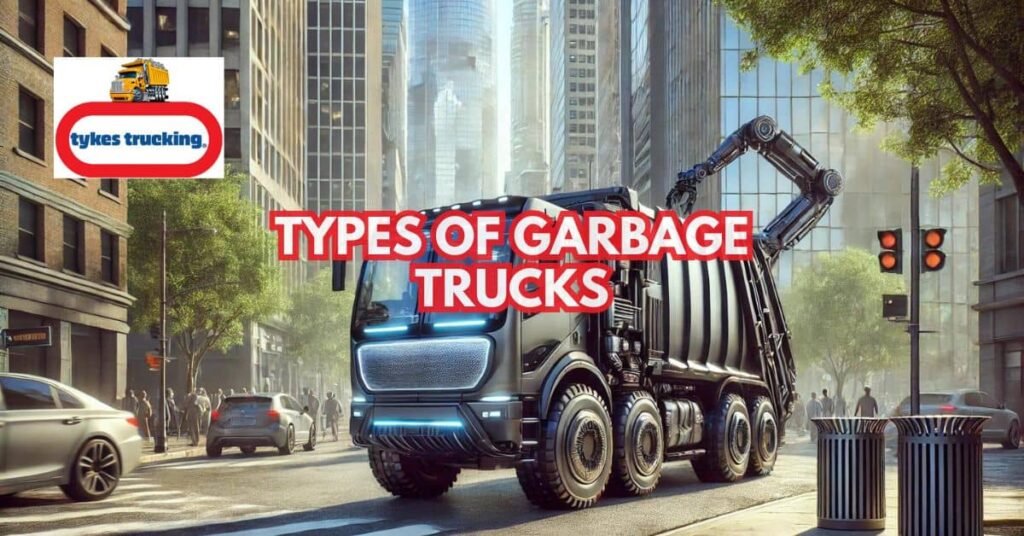
The waste management industry is seeing innovations in garbage truck design, including electric trucks and autonomous vehicles.
Electric garbage trucks are being introduced to reduce emissions and cut fuel costs, contributing to more sustainable waste management.
Autonomous trucks, while still in development, aim to reduce labor costs and improve efficiency by automating the collection process.
In addition, smart waste tracking systems are being implemented to optimize collection routes and reduce unnecessary trips.
These innovations are reshaping the way waste is collected, making the process more efficient and environmentally friendly.
🚚 Reliable Dump Truck Transport in Marikina
💡 Conclusion
Selecting the appropriate type of garbage truck is critical for optimizing waste collection processes.
Each truck has a specific purpose, whether it’s collecting recyclables, handling hazardous waste, or managing large debris.
By understanding the unique functions of each truck type, businesses and municipalities can choose the best option for their waste management needs.
Proper selection can lead to cost savings, improved operational efficiency, and a reduced environmental footprint.
Choosing the right truck ensures that waste is managed responsibly and effectively, benefiting both the community and the environment.
😉 Our Services
Tykes Trucking Services specializes in delivering high-quality aggregates and providing reliable hauling services for all your construction and landscaping needs.
Our team ensures timely and efficient transport, whether you’re moving gravel, sand, or other materials.
For inquiries or to book a service, you can contact us at 0917-543-5019, reach us through our Facebook page, or use the contact form on our website.
We prioritize customer satisfaction and dependable service.
Let us handle your hauling needs with professionalism and care.
❓ FAQs
1. What are the main types of garbage trucks?
The main types of garbage trucks include front loaders, rear loaders, side loaders, roll-off trucks, compactors, vacuum trucks, recycling trucks, hook-lift trucks, and specialized trucks.
Each one is built to handle specific kinds of waste, from household trash to construction debris or liquids.
2. How do garbage trucks compact waste?
Compactor garbage trucks use a metal plate or blade that presses the waste inside the hopper.
This system crushes and reduces the volume of trash so the truck can carry more material before emptying at a landfill or waste facility.
3. Why is it important to match garbage trucks with the right containers?
Each garbage truck has a lifting system designed for certain container types.
Using the wrong containers can slow down collection, damage bins, or create safety risks.
Matching the right truck and container helps make waste collection faster and safer.
4. What kind of garbage truck is used for recycling?
Recycling trucks are built with separate compartments to keep materials like paper, glass, and plastic apart.
This makes sorting easier at recycling centers and helps prevent contamination between recyclable materials.
5. What new technologies are being added to garbage trucks?
Modern garbage trucks are now being developed with electric engines, smart route tracking, and safety sensors.
These features lower fuel costs, reduce pollution, and make waste collection more efficient and environmentally friendly.