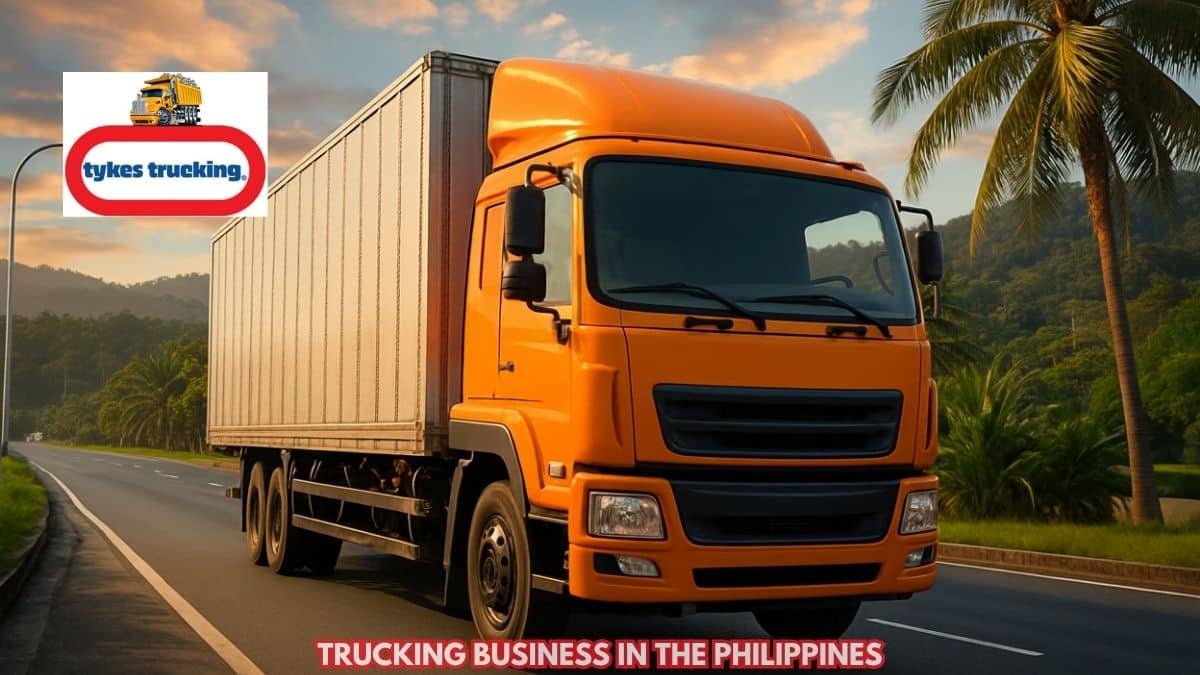
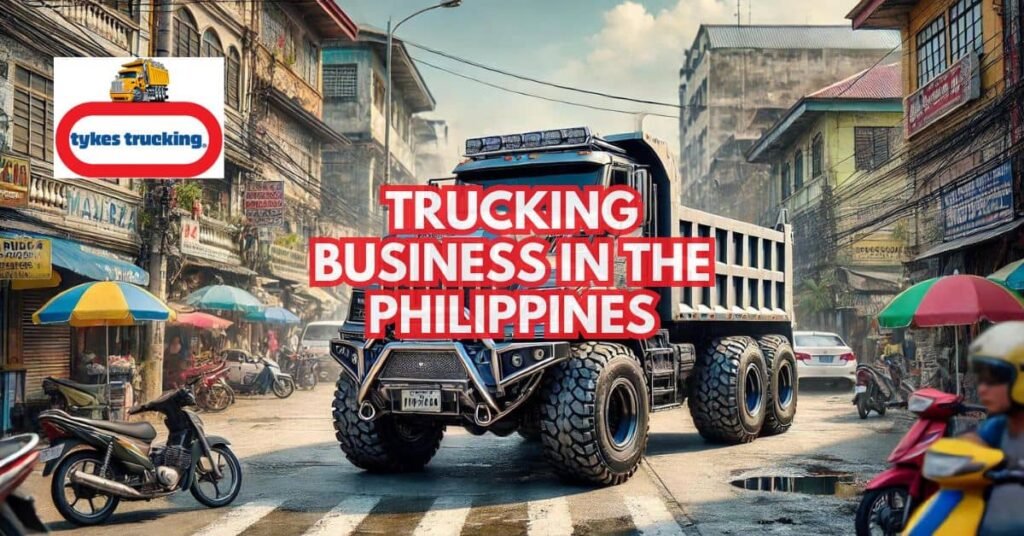
The trucking business in the Philippines is an important part of the country’s economy because it keeps goods moving between islands, cities, and provinces.
It supports many industries by making sure products reach stores, factories, and customers on time.
However, trucking companies face many problems that make operations harder and more expensive.
These include poor roads, traffic congestion, high fuel prices, and limited port facilities.
Understanding these challenges helps business owners find better solutions and build a stronger, more reliable trucking industry for the future.
1. Navigating Regulatory Compliance and Bureaucracy
Anyone who wants to start a trucking business in the Philippines must first understand that it involves many government requirements.
Before starting a trucking company, owners need to secure business permits, vehicle registrations, and driver accreditations from different Philippine agencies.
These include the Land Transportation Office, the Land Transportation Franchising and Regulatory Board, and local government offices.
Each step takes time and money, and processing delays often affect the ability to begin operations quickly.
Some operators find it difficult to follow changing rules about safety checks, emissions testing, and load limits.
For those already operating, keeping all documents up to date is key to avoiding fines and business interruptions.
Companies should assign trained staff or hire consultants who can help with paperwork and ensure that all requirements are met.
Careful preparation and compliance make starting a trucking company smoother and help build trust with clients and authorities in the Philippine transport sector.
🚚 Hauling Services in Marikina: Get Rid of Your Stuff Without the Hassle
2. Dealing with Poor Infrastructure and Road Conditions
Poor infrastructure in the Philippines greatly affects the trucking industry and slows down the entire supply chain.
Many highways and rural roads have potholes and uneven surfaces that cause truck damage and delivery delays.
Drivers often spend extra hours on the road because of limited routes and traffic caused by road repairs or flooding.
These delays can interrupt the flow of goods in the supply chain, making it harder for businesses to keep stores and factories stocked.
Trucking companies must regularly inspect their vehicles and plan routes carefully to avoid the worst road conditions.
Investing in strong, well-maintained trucks and using mapping tools can help reduce delays and keep deliveries moving smoothly.
🚚 Exploring the Different Types of Garbage Trucks and Their Unique Functions
3. Overcoming Inter-Island Delivery Challenges through RO-RO Logistics
The Philippines is made up of many islands, which means trucks often need to use roll-on/roll-off (RO-RO) ships to move goods between islands.
Delays at ports, limited ship schedules, and bad weather can cause late deliveries and higher costs.
Trucking companies must plan carefully by checking sailing times and preparing backup routes when sailings are canceled.
Working closely with shipping lines and port operators helps ensure smoother coordination and shorter waiting times.
Using clear delivery schedules and real-time tracking also helps keep shipments on time and reduces unexpected delays.
🚚 Exploring Dump Truck vs Dump Trailer Options
4. Managing High Fuel Costs and Volatility
Fuel prices in the Philippines often change without warning, which makes it hard for companies to plan their budgets and maintain good profitability.
When operating a trucking business, even small increases in fuel costs can greatly affect total expenses.
For many owners, learning how to operate a trucking business efficiently means tracking every liter of fuel used and finding ways to cut waste.
Regular truck maintenance, careful route planning, and driver training are simple but effective ways to lower fuel use.
Some companies are now using digital tools to monitor fuel consumption and spot unusual spending patterns.
Others look for local fuel suppliers that offer discounts or loyalty programs to make operating a trucking business more manageable.
Setting up long-term fuel contracts can also protect businesses from sudden price changes and help keep monthly budgets stable.
By combining smart planning, careful monitoring, and modern technology, trucking companies can control fuel expenses and improve overall profitability.
🚚 Why Dump Truck Hauling is the Right Choice
5. Addressing Driver Shortages and Improving Retention
The trucking industry in the Philippines faces a shortage of skilled and reliable drivers, making retention a major concern.
Long working hours, physically demanding tasks, and limited benefits contribute to high turnover rates among drivers.
Many operators also struggle to compete with other industries offering more attractive wages and working conditions.
To improve retention, trucking companies should focus on providing competitive compensation, enhancing work-life balance, and offering additional training to improve driver skills.
Building a culture that values drivers and their contributions can significantly reduce turnover and attract more qualified individuals.
🚚 How to Select the Best Dump Truck Hauling Services in Cainta
6. Handling Vehicle Maintenance and Repair Costs
Frequent wear and tear on vehicles, especially due to poor road conditions, leads to high maintenance and repair costs for trucking companies in the Philippines.
Unexpected breakdowns can disrupt operations and lead to costly delays in deliveries.
Ignoring preventive maintenance often results in more significant expenses down the road, as major issues arise from neglecting smaller repairs.
Businesses should establish routine maintenance schedules to keep trucks in good condition and minimize the risk of sudden failures.
Setting aside a contingency fund for repairs is also crucial to managing unexpected costs without affecting overall cash flow.
🚚 What to Look for When Choosing a Dump Truck Rental Service
7. Strategies for Coping with Traffic Congestion and Delivery Delays
Heavy traffic is a persistent issue in major cities across the Philippines, particularly Metro Manila, which complicates timely deliveries.
Congestion increases fuel consumption, leads to delays, and frustrates customers expecting on-time deliveries.
To mitigate these challenges, trucking companies can optimize delivery schedules by avoiding peak traffic hours and utilizing alternate routes when possible.
Incorporating GPS tracking systems allows real-time monitoring of traffic conditions, enabling dispatchers to make timely route adjustments.
These strategies can help reduce delivery delays and improve overall efficiency, even in heavily congested areas.
🚚 Starting a Trucking Business Checklist: What You Need to Know Before Hitting the Road
8. Ensuring Safety and Security for Drivers and Cargo
Every trucker in the Philippines faces daily risks while transporting freight across long and sometimes unsafe routes.
Cargo theft and accidents often happen on isolated roads or during long waiting hours at ports and checkpoints.
To protect both the driver and the shipment, trucking companies should install GPS tracking devices and dashcams in every vehicle.
These tools allow managers to monitor routes, check driving behavior, and respond quickly if something unusual happens.
Drivers should also receive regular safety training, including proper loading practices and awareness of high-risk areas near ports and warehouse locations.
When trucks are parked overnight, choosing secure, well-lit areas or guarded warehouse compounds helps prevent theft.
Companies must also review their insurance coverage to make sure both the trucker and the freight are financially protected in case of an accident or loss.
With strong security measures, reliable technology, and trained drivers, trucking businesses can keep both people and cargo safe while maintaining customer trust.
🚚 The Best Trucks for Hauling Horse Trailers: What to Look For
9. Overcoming Competition and Market Saturation
The trucking business in the Philippines is highly competitive, with many companies vying for market share in both local and regional markets.
Market saturation makes it difficult for new or smaller players to stand out, and price wars can erode profit margins.
To overcome this, trucking companies should consider offering specialized services, such as temperature-controlled logistics or last-mile delivery, that cater to specific client needs.
Building strong relationships with customers and delivering reliable, quality service are key strategies for maintaining long-term contracts.
Differentiating through service quality and innovation will help businesses stay competitive in a crowded market.
🚚 Understanding the Mechanics of the Garbage Truck Hydraulic System: How It Works and Why It Matters
10. Planning for Economic Fluctuations and Financial Management
Economic instability, inflation, and fluctuating exchange rates in the Philippines can create financial challenges for trucking businesses.
Rising operational costs, such as fuel and maintenance, often hit companies hard during economic downturns.
To prepare for these fluctuations, businesses need to develop solid financial management practices, such as maintaining emergency funds, reducing debt, and controlling operating expenses.
Diversifying the client base can also provide a buffer against economic cycles, ensuring revenue streams even in uncertain times.
Effective financial planning is essential for sustaining operations during economic highs and lows.
🚚 Delivery of Aggregates Using Dump Trucks
11. Adapting to Technological Changes and Integration
Technological advancements are transforming the logistics and trucking industries globally, and the Philippines is no exception.
However, many trucking companies are slow to adopt new technologies, which can hinder efficiency and competitiveness.
Integrating fleet management software, GPS tracking, and automation tools can improve operational efficiency, reduce costs, and enhance customer service.
Though the initial investment may seem high, the long-term benefits include better route planning, fuel savings, and real-time tracking of deliveries.
Businesses that embrace technology will be better positioned to compete in a rapidly changing industry.
🚚 Efficient Dump Truck Transport Services in Marikina
💡 Conclusion
The trucking business in the Philippines faces many challenges, including regulatory hurdles, high operational costs, and increasing competition.
However, by adopting innovative solutions and addressing key pain points like driver retention and technology integration, companies can remain competitive.
Future growth will depend on the ability to adapt to changing economic and market conditions.
Proactive planning, investment in new technologies, and a focus on safety and efficiency will help ensure success in the evolving landscape of the trucking industry.
By staying flexible and forward-thinking, businesses can thrive in the years to come.
😉 Our Services
At Tykes Trucking Services, we specialize in delivering aggregates and providing reliable hauling services for your construction and logistics needs.
Our team is committed to ensuring timely and efficient deliveries, helping your projects stay on track.
With a fleet of well-maintained trucks, we can handle jobs of any size, ensuring safe and secure transport.
You can contact us by phone at 09175435019, online using our contact form, or by visiting our Facebook page.
Let Tykes Trucking Services be your trusted partner in hauling and delivery.
❓ FAQs
1. What are the biggest challenges facing the trucking business in the Philippines?
The main challenges include poor road conditions, high fuel prices, traffic congestion, and delays in inter-island transport.
Many operators also face problems with driver shortages, vehicle maintenance, and strict government regulations.
2. How can trucking companies in the Philippines reduce operational costs?
They can save money by planning efficient routes, maintaining vehicles regularly, training drivers in fuel-saving habits, and using technology such as GPS tracking and fleet management systems.
Partnering with reliable suppliers and managing finances carefully also helps control expenses.
3. Why is RO-RO logistics important for trucking companies?
RO-RO (roll-on/roll-off) logistics helps trucks move goods between islands by ship.
It allows smoother transport across the country’s many islands and reduces delays caused by long land routes.
Proper coordination with port schedules and shipping lines makes deliveries faster and more reliable.
4. How can trucking companies keep their drivers for longer?
Companies can retain drivers by offering fair pay, health benefits, rest days, and safe working conditions.
Recognizing their hard work and providing skills training also makes drivers feel valued, which encourages them to stay longer.
5. What role does technology play in improving trucking operations?
Technology helps track vehicles, plan better routes, and reduce fuel use.
It also improves delivery accuracy and communication between drivers and dispatchers.
Over time, using modern systems increases efficiency and helps trucking companies stay competitive.