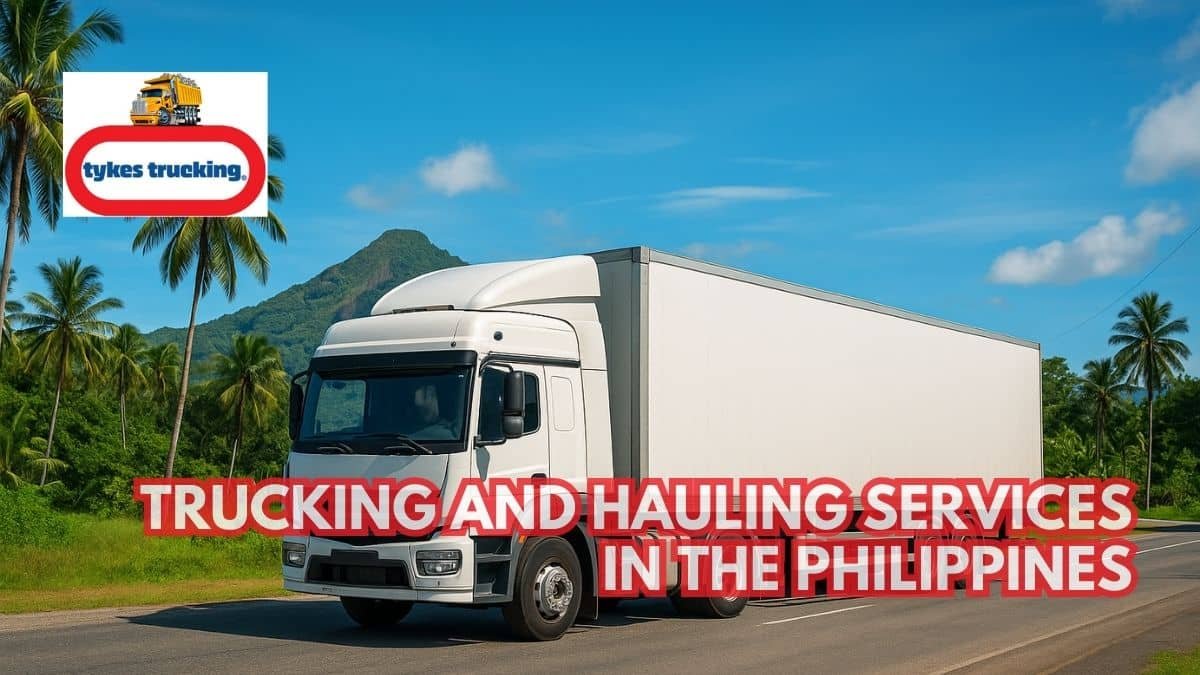
Trucking and hauling services in the Philippines are essential for moving goods across cities, provinces, and islands.
They connect farms, factories, and ports to markets and stores, making sure products reach people on time.
Because the country is made up of thousands of islands, these services link road transport with sea routes to keep trade flowing.
Reliable trucking also affects the prices of goods, the supply of raw materials, and the operations of many industries.
The growth and stability of this sector have a direct impact on the overall health of the Philippine economy.
1. Trucking and Hauling: The Lifeline of the Philippine Economy
Trucking and hauling services do not merely support the Philippine economy; they are its backbone, ensuring that all sectors are supplied with what they need to operate.
This sector’s effectiveness directly influences inflation, consumer prices, and the overall cost of living by determining how efficiently goods are transported from ports to stores.
Any disruption in trucking services can lead to significant delays and economic losses, illustrating the sector’s critical role.
Furthermore, the industry employs hundreds of thousands, from drivers and logistics managers to administrative and support staff.
Thus, maintaining a smooth-running trucking and hauling industry is essential for the stability and continued growth of the Philippines’ economy.
🚚 How Does a Dump Truck Tailgate Lock Enhance Safety on Construction Sites?
2. Beyond Cargo: A Look at Different Hauling Services Offered
Philippine trucking companies offer more than just basic cargo transportation; they provide a suite of specialized hauling services that cater to specific industry needs.
This includes the transport of hazardous materials, which requires compliance with strict safety standards, and temperature-controlled shipments for perishable goods.
Logistic services extend to providing integrated supply chain solutions, such as inventory management and just-in-time delivery systems, which are critical for industries like automotive and retail.
Additionally, many firms offer project cargo services, handling the transport of oversized or heavy items, which are essential for infrastructure projects.
These diversified services enable businesses to customize logistics solutions to meet unique challenges, enhancing operational efficiency.
🚚 Flatbed Truck Stake Sides: Safety and Security Combined
3. The Trucking Landscape in the Philippines: Players, Routes, and Vehicles
The Philippine trucking landscape is diverse, with a mix of major corporations and small-to-medium enterprises (SMEs) that operate across the archipelago.
Major players often handle transnational shipments and large-scale logistics operations, while smaller companies may specialize in regional deliveries or specific types of cargo.
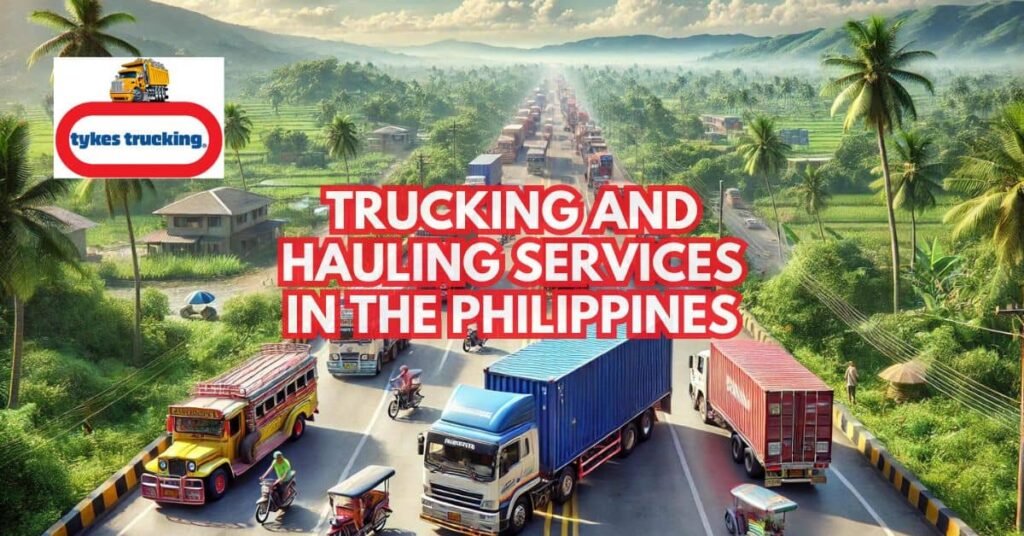
Key trucking routes typically run from major ports and manufacturing hubs to distribution centers and markets, covering both major highways and smaller, rural roads.
The types of vehicles used vary widely, from large container trucks for long-haul routes to smaller trucks and delivery vans ideal for navigating narrow city streets or mountainous areas.
This variety ensures that the specific transportation needs of different regions and industries can be met efficiently and effectively.
🚚 Know Your 40-Foot Flatbed Trailer Dimensions: Avoid Oversized Loads
4. Moving Goods Across Islands: Inter-island and Multimodal Integration
Moving goods across the many islands of the Philippines requires the combined use of trucks, ferries, and ports.
Trucking companies often use RoRo ferries to carry loaded trucks between islands, which helps keep goods moving without the need for unloading.
Cold storage trucks are also used to protect perishable items during sea and road travel.
Careful planning is needed to match truck schedules with ferry times so that delays at ports can be avoided.
By reducing waiting times and ensuring proper handling at transfer points, businesses can move goods faster and with less risk of damage.
🚚 What Are the Safety Considerations for Dump Truck Gravel Delivery?
5. Navigating the Road: Regulations and Requirements for Truckers
A comprehensive set of rules that aim to ensure road safety and effectiveness govern trucking and hauling operations in the Philippines.
These include requirements for licensing, vehicle maintenance, and adherence to specific cargo-handling protocols.
Drivers must undergo regular training and certification to stay updated with the latest safety standards and operational practices.
The government also imposes restrictions on load limits and travel times for trucks, especially in congested urban areas, to reduce traffic and minimize wear and tear on road infrastructure.
Compliance with these regulations not only ensures the safety of truck operations but also enhances the public perception and credibility of the trucking industry.
🚚 Why Dump Truck Debris Removal Is Essential for Safe Roadwork Projects
6. Tech on the Move: How Technology is Transforming Trucking
Technology is playing an increasingly significant role in the Philippine trucking industry, driving improvements in operational efficiency and safety.
GPS tracking systems allow companies to monitor their fleets in real-time, optimizing routes and reducing fuel consumption.
Automated logistics software helps in managing schedules and maintaining records with greater accuracy and less paperwork.
The adoption of telematics technology also provides critical data on vehicle health, helping to prevent maintenance issues that could cause delays.
Looking forward, the integration of IoT and smart technologies is set to further revolutionize the industry by enabling even more precise tracking and management of cargo and fleet operations.
🚚 Why Safety Matters When Using Dump Trucks For Construction Hauling
7. Harnessing Data Technology for Enhanced Logistics Performance
Harnessing data technology is revolutionizing logistics services in the Philippines by allowing companies to optimize their operations with precision and efficiency.
By using data analytics, businesses involved in hauling and trucking can determine the most efficient routes, which helps improve delivery times and ensures that goods reach customers quickly.
This optimization not only boosts customer satisfaction but also contributes to the reliability of the logistics services provided.
Moreover, the integration of GPS tracking and real-time data monitoring enables logistics providers to streamline their processes, resulting in significantly reduced operational costs.
This reduction in costs can be passed on to customers, offering more competitive pricing while maintaining high service quality.
In addition, real-time data allows companies to anticipate and address potential issues before they escalate, further enhancing reliability.
As a result, businesses can build stronger relationships with their clients by consistently delivering dependable and efficient logistics services.
🚚 Conquering Your Construction Project: The Essential Guide to Construction Hauling Services
8. The Road Ahead: Future Trends and Considerations for Hauling
The future of trucking and hauling in the Philippines looks to incorporate more sustainable and efficient practices.
There is a growing interest in adopting alternative fuels and electric vehicles to reduce the environmental impact of trucking operations.
Technological advancements such as autonomous driving systems are being explored, which could transform long-haul trucking by reducing labor costs and increasing safety.
The industry is also likely to see enhanced integration with e-commerce, requiring more flexible and responsive logistics solutions to meet consumer demands for faster delivery.
Plus, greater collaboration between the government and private sectors is essential to improving infrastructure and regulatory frameworks, supporting more efficient and eco-friendly trucking solutions.
🚚 Millimeters Matter: The Importance of Garbage Truck Turning Radius in Tight Streets
9. Challenges on the Highway: Obstacles Faced by the Industry
The trucking industry in the Philippines faces several significant challenges that affect its efficiency and profitability.
One major issue is the fluctuating cost of fuel, which can significantly impact operating costs and pricing strategies.
Road congestion, particularly in urban centers like Metro Manila, often leads to delays and logistical complications.
Seasonal weather patterns, such as typhoons and monsoons, disrupt transport schedules and can cause damage to infrastructure.
Lastly, bureaucratic red tape and inconsistent regulations across different regions pose hurdles for logistic operations, requiring companies to navigate a complex legal landscape to maintain smooth operations.
🚚 Why a Flatbed Truck Tent Is the Ultimate Game Changer for Outdoor Enthusiasts
10. Why Outsource? The Benefits of Using Trucking and Hauling Services
Outsourcing trucking and hauling services can provide significant advantages for businesses in the Philippines.
By leveraging the expertise of specialized providers, companies can focus on their core competencies, improving their overall productivity and profitability.
Outsourced services often come with state-of-the-art technology for tracking and managing logistics, which smaller businesses might not be able to afford independently.
This arrangement also allows for scalability, giving businesses the flexibility to adjust their logistics needs based on seasonal demands or market expansions.
On top of that, outsourcing reduces the burden of managing a fleet, including maintenance, staffing, and regulatory compliance, thus lowering operational risks and overhead costs.
🚚 Why Investing in Commercial Truck Accessories Pays Off Long Term
11. Finding Your Perfect Ride: Tips on Choosing a Reliable Hauling Company
Selecting a competent trucking and hauling company is crucial for ensuring the efficient and safe transportation of goods.
First, verify the company’s licensing and insurance to ensure they meet all regulatory requirements and can provide coverage in case of accidents or cargo loss.
It’s also important to assess the company’s track record in terms of punctuality, cargo safety, and customer satisfaction.
Reviews and testimonials can be invaluable here.
Consider their fleet’s capabilities and whether they have the appropriate vehicles and technology to meet your specific needs.
Finally, evaluate their customer service and flexibility in handling different types of cargo and any unforeseen issues that may arise during transportation.
🚚 Hauling Services with Dump Trucks
12. Trucking Your Way to Success: Career Opportunities in the Industry
The trucking and hauling industry in the Philippines offers a wide range of career opportunities, reflecting its critical role in the economy.
Positions vary from frontline roles like drivers and dispatch coordinators to backend support, including logistics management, operations, and fleet maintenance.
The industry values skilled professionals who are knowledgeable in modern logistics technologies and practices, offering numerous opportunities for career advancement to those who show initiative and expertise.
Continuous professional development is encouraged through workshops and certification programs, helping individuals stay current with industry standards and technological advancements.
With the growth of e-commerce and global trade, career prospects in trucking and logistics are expected to expand, making it an appealing field for job seekers.
🚚 Top-Quality Dump Truck Services in Marikina City
💡 Conclusion
Trucking and hauling services are more than just an industry; they are a cornerstone of the Philippine economy, supporting nearly every other sector by ensuring the smooth flow of goods nationwide.
As the industry continues to embrace technological advancements and adapt to changing market needs, it stands to become even more efficient and sustainable.
Strengthening this sector is imperative for enhancing the Philippines’ economic resilience and ensuring timely access to goods across the nation.
Continued investment in infrastructure, technology, and human resources will be key to unlocking the full potential of trucking and hauling services.
With these efforts, the trucking industry not only supports but actively drives the growth and development of the Philippine economy.
😉 Our Services
Looking for reliable hauling and aggregate delivery services?
Tykes Trucking Services is your go-to partner for efficient and dependable transportation solutions.
Whether it’s sand, gravel, or other construction materials, we ensure timely and safe delivery tailored to your needs.
Connect with us today at 09175435019, visit our Facebook page, or reach out through our website’s contact form for a quote or more information.
Trust Tykes Trucking Services to keep your projects moving smoothly with our expert hauling services.
❓ FAQs
1. What types of goods are usually transported through trucking and hauling services in the Philippines?
Trucking and hauling services handle a wide range of cargo such as food products, raw materials, construction supplies, consumer goods, and machinery.
Many companies also provide special services for fragile, oversized, or temperature-sensitive items.
This flexibility allows different industries to rely on trucking to meet their specific transport needs.
2. How do trucking companies manage deliveries across multiple islands?
Deliveries across islands often use a mix of trucks and RoRo ferries, allowing loaded vehicles to travel by sea without unloading cargo.
Cold storage trucks are used for items that need controlled temperatures, like seafood and fresh produce.
Careful planning of routes and schedules helps reduce waiting time at ports and ensures that goods reach their destinations safely.
3. What factors affect the cost of trucking and hauling services in the Philippines?
The cost is usually influenced by distance, type of cargo, fuel prices, toll fees, and the size of the vehicle required.
Special services, such as refrigerated transport or oversized loads, also add to the price.
Businesses often negotiate contracts or use outsourcing to manage these costs more effectively.
4. What are the main challenges that trucking companies face in the Philippines?
Some of the biggest challenges include heavy traffic in cities, rising fuel prices, and weather disruptions like typhoons.
Companies also face issues with road conditions and varying regulations in different regions.
These factors can lead to delays, higher operating costs, and greater risks during transport.
5. Why is trucking important for the Philippine economy?
Trucking ensures that goods move efficiently from farms, ports, and factories to markets and consumers.
Without reliable trucking services, businesses would struggle to get products to where they are needed on time.
This would affect food supply, retail operations, manufacturing, and even the overall cost of goods.