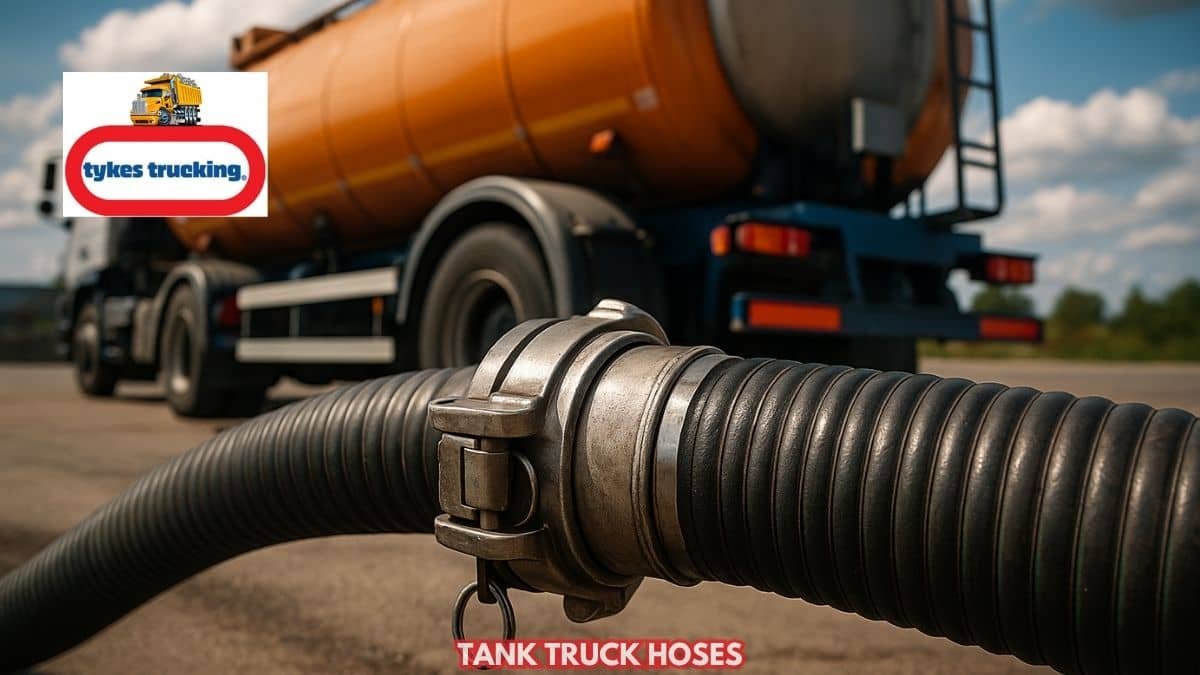
Tank truck hoses are important tools used to move liquids, gases, and chemicals safely between tanks and trucks.
These hoses are built to handle many kinds of materials, from fuels to food products, without leaking or causing contamination.
Understanding how tank truck hoses work helps ensure safety and smooth operations in industries that rely on fluid transfer.
Choosing the right hose and keeping it in good condition can prevent spills and reduce equipment damage.
We’ll explain the main types, materials, uses, and maintenance practices that help tank truck hoses perform safely and last longer.
1. Tank Truck Hoses: Purpose and Importance
Tank truck hoses are essential for the safe and efficient transfer of materials like liquids, gases, and water between storage tanks and trucks.
These hoses handle both suction and discharge functions, ensuring smooth movement of materials without leaks or spills.
For instance, when transporting water or chemicals, suction hoses draw the liquid from storage, while discharge hoses help deliver it to the destination.
Using the wrong hose type or material could lead to contamination, equipment damage, or hazardous spills.
The correct hose selection, designed for specific uses such as petroleum or food-grade products, is critical for maintaining safety standards.
Tank truck hoses also protect workers and the environment by preventing accidents during handling.
Knowing the right hose for each application is key to avoiding operational risks and ensuring long-term performance.
🚚 How to Choose a 26-Foot Flatbed Trailer for Your Business
2. Exploring the Different Types of Tank Truck Hoses
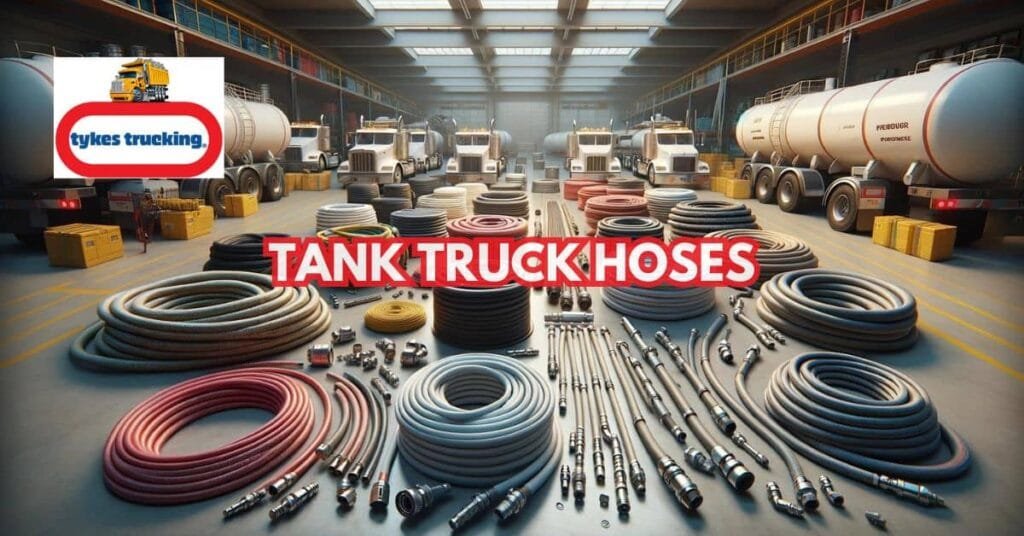
There are several types of tank truck hoses, each designed for specific industrial applications and materials.
Petroleum hoses are built to handle fuels, oils, and other hydrocarbons, ensuring safe and efficient flow without leaks.
Chemical hoses, on the other hand, are resistant to corrosive substances, making them suitable for transporting acids, solvents, and other hazardous chemicals.
Food-grade hoses are crafted from materials that meet safety standards, ensuring that consumable liquids are transferred without contamination.
These hose assemblies must be chosen based on their ability to withstand various factors like temperature, pressure, and the chemical composition of the transported material.
Selecting the wrong hose can disrupt industrial operations, leading to performance issues and potential safety hazards.
Choosing the right type of hose assembly ensures a smooth, safe flow of materials under the specific conditions of each application.
🚚 Reefer Container Troubleshooting: A Cool Guide to Keeping Your Cargo Fresh
3. Material Composition: What Makes Up Tank Truck Hoses?
Tank truck hoses are typically made from materials such as rubber, PVC, or specialized composite materials, each offering distinct advantages.
Rubber hoses are known for their flexibility and durability, making them ideal for a wide range of uses.
PVC hoses, on the other hand, are lightweight and resistant to chemicals, making them suitable for handling more corrosive substances.
Many hoses also include reinforcements like textile layers or steel wire helixes, which add strength and prevent kinking.
Understanding these materials helps users choose the correct hose for demanding applications.
🚚 When to Use Flatbed Hauling Services: Key Considerations for Shippers
4. Local Regulations: Standards for Tank Truck Hoses in the Philippines
In the Philippines, strict regulations govern the use of tank truck hoses to ensure safety and environmental protection.
These standards are set by government agencies to prevent accidents like leaks, contamination, or hazardous material spills.
Manufacturers and users of tank truck hoses must comply with these local laws, which dictate the hose materials, pressure ratings, and performance requirements.
Compliance with these regulations ensures the safe handling of petroleum, chemicals, and other dangerous goods.
Businesses operating in this sector should stay informed about any updates to local standards to avoid penalties and maintain safe operations.
🚚 How Expedited Trucking Services Save the Day and Your Deadlines
5. Common Applications of Tank Truck Hoses Across Industries
Tank truck hoses are essential across many industries, serving different functions based on the materials they transport.
In the petroleum industry, these hoses are used to transfer gasoline, diesel, and other fuels between storage tanks and delivery trucks.
Chemical manufacturers rely on specialized hoses to handle corrosive liquids and gases without risking contamination or damage to the hoses.
In the food and beverage industry, food-grade hoses ensure safe transport of consumable products like milk, juice, or oils.
Their versatility makes tank truck hoses indispensable in sectors requiring safe and efficient fluid transfer.
🚚 How to Choose the Right Trucking and Hauling Company
6. Best Practices for Installing Tank Truck Hoses
Proper installation of tank truck hoses is crucial to prevent leaks, ruptures, and premature hose wear.
Hoses must be installed without kinks or sharp bends, as these can compromise their structural integrity.
Using the correct fittings and connectors ensures a secure, leak-proof connection that can withstand the pressures involved in fluid transfer.
It’s also important to ensure that hoses are not stretched beyond their recommended length during use, as this can cause damage.
Regular inspection during installation helps identify any issues early on, preventing costly breakdowns and safety hazards.
🚚 Why Hydraulic Cylinder for Dump Trucks Is Essential for Heavy-Duty Operations
7. Essential Maintenance Tips for Tank Truck Hoses
Maintaining tank truck hoses is essential to extend their lifespan and ensure operational safety.
Regular inspection is key, looking for signs of wear, such as cracks, blisters, or leaks, which can lead to hose failure.
Cleaning the hoses after use, particularly when handling chemicals or hazardous materials, prevents corrosion and contamination.
It’s also important to store hoses properly, avoiding exposure to extreme temperatures or direct sunlight, which can degrade the material over time.
Following manufacturer guidelines for pressure and temperature limits will further reduce wear and extend the hose’s service life.
🚚 How Many Tons of Gravel in A Dump Truck
8. Identifying Signs of Wear and When to Replace Hoses
Over time, tank truck hoses will naturally degrade due to wear and exposure to various elements.
Key signs of wear include cracks, stiffness, bulges, and blisters along the hose surface.
If there are visible leaks or noticeable reductions in performance, this is a clear indicator that the hose needs to be replaced.
Regular inspection and maintenance routines are critical to detecting these issues early before they escalate into more serious problems, such as ruptures or spills.
Replacing hoses at the first sign of significant wear ensures both safety and cost efficiency by avoiding major operational downtime.
🚚 How to Choose the Right Service for Aggregate Delivery in Marikina
9. Safety Protocols for Handling Tank Truck Hoses
Handling tank truck hoses safely helps prevent leaks, spills, and equipment damage during operations.
Operators should always wear gloves, goggles, and chemical-resistant clothing to protect themselves when working with hoses.
Before disconnecting any hose, it is important to release pressure and make sure no vacuum remains that could cause sudden suction or movement.
Each hose coupling must be checked for a tight and proper fit to prevent leaks when transferring fluids.
When handling hoses that carry petroleum products, workers should be extra careful because these liquids can easily ignite if spilled.
Hoses should be lifted and placed gently to avoid bending or dragging, which can weaken their structure.
Regular inspections ensure that fittings, seals, and couplings are clean and in good working condition.
Proper training and attention to detail keep both workers and equipment safe during hose operations.
10. Controlling Static Electricity During Hose Operations
Static electricity can build up when liquids such as fuels or chemicals move through hoses, which can cause sparks and fires if not controlled.
Using conductive hoses helps electricity flow safely through the hose instead of letting it build up.
All trucks, tanks, and equipment should be connected with bonding and grounding wires so that static charges can move safely to the ground.
Workers must check cables, clamps, and grounding points regularly to make sure they are clean and working properly.
Following these steps keeps the transfer of liquids safe and reduces the risk of dangerous accidents.
🚚 Trusted Dump Truck Service for Your Project
11. Future Trends in Tank Truck Hose Technology
New advances in tank truck hose design are making hoses stronger, safer, and more efficient for industrial use.
Modern hoses are built to remain flexible even under extreme temperatures and high pressure, improving handling and performance.
Some hoses are now tested to withstand up to 150 psi, ensuring they can safely move large volumes of liquid without bursting.
Manufacturers are also adding corrugated layers to hose designs to enhance flexibility while keeping the walls firm and resistant to collapse.
These corrugations make the hoses easier to bend and maneuver during tight loading operations.
Improved materials with higher resistance to chemicals and heat are extending hose lifespans and lowering maintenance costs.
Smart hoses equipped with sensors can now track pressure, temperature, and flow in real time, helping operators detect issues early.
As technology continues to grow, these innovations will make tank truck hoses more reliable, sustainable, and easier to use in everyday operations.
🚚 Inexpensive Dump Truck Solutions Available in Marikina
💡 Conclusion
Choosing the right tank truck hose and maintaining it properly is critical for safe and efficient operations.
Understanding the different types of hoses, their material composition, and their specific applications allows operators to make informed choices that align with industry needs.
Regular inspections, timely replacements, and adherence to safety protocols ensure that hoses perform optimally and minimize the risk of accidents.
Keeping up with technological advancements in hose design also opens opportunities for enhanced performance and longevity.
Ultimately, investing in the right hose and care practices benefits both operational efficiency and safety.
❓ FAQs
1. What are tank truck hoses used for?
Tank truck hoses are used to move liquids, gases, or chemicals from storage tanks to trucks and back.
They help transfer materials safely without leaks or spills.
These hoses are essential in industries such as fuel transport, chemical processing, and food delivery.
2. How often should tank truck hoses be inspected?
Tank truck hoses should be checked before each use and during regular maintenance schedules.
Inspecting for cracks, bulges, or leaks helps prevent accidents and costly damage.
Following the manufacturer’s inspection guidelines ensures the hose stays safe and reliable.
3. What happens if the wrong type of hose is used?
Using the wrong hose can cause leaks, contamination, or even chemical reactions with the material being moved.
It can also weaken the hose, leading to sudden failure during operation.
Always match the hose material and pressure rating with the product it will carry.
4. How can I make tank truck hoses last longer?
Clean hoses after each use and store them in a cool, dry place away from sunlight.
Avoid bending or twisting them too tightly to prevent cracks and wear.
Regular inspection and following usage limits will help extend the hose’s service life.
5. Why is grounding important when using tank truck hoses?
Grounding prevents static electricity from building up as liquids move through hoses.
Without grounding, sparks could ignite flammable vapors and cause fires.
Bonding and grounding cables ensure static charges safely flow into the ground, keeping operations safe.
😉 Our Services
Tykes Trucking Services specializes in delivering aggregates and providing reliable hauling services for all your construction and transport needs.
Our experienced team ensures timely and efficient deliveries, helping your projects stay on track.
Whether you need sand, gravel, or other materials, we’ve got you covered.
Contact us today at 0917-543-5019, message us via our Facebook page, or reach out through our website’s contact form for a quick response.
Trust Tykes Trucking Services for dependable service every time.