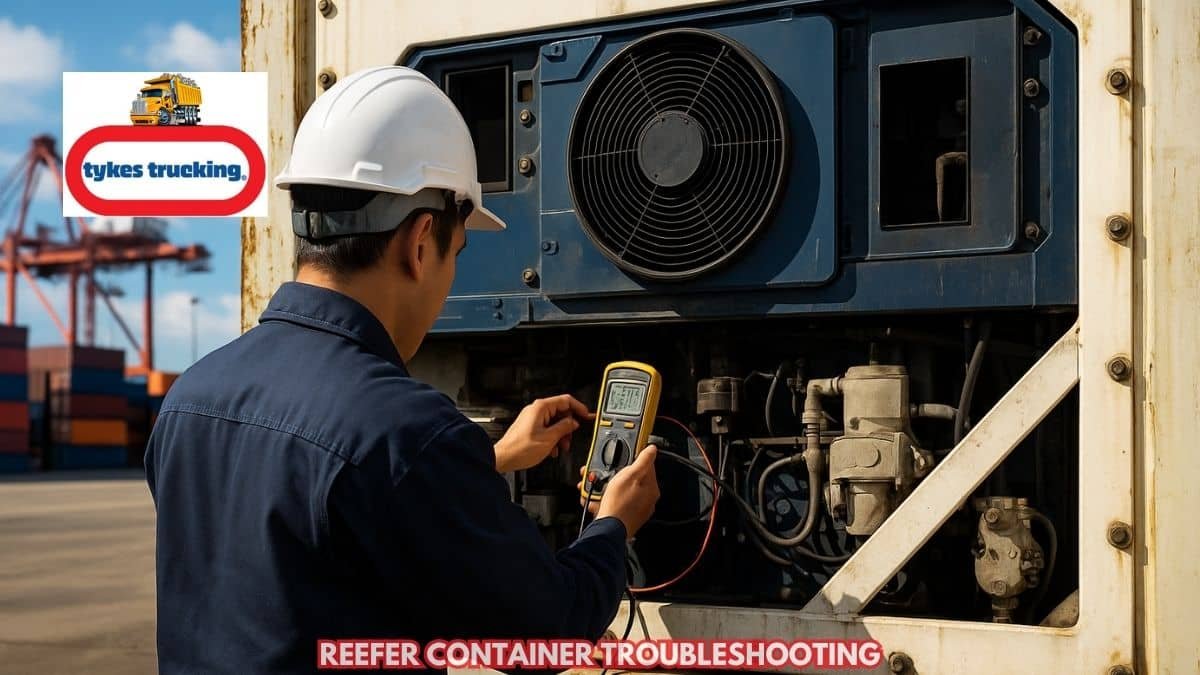
Reefer containers are essential for moving goods that must stay at a steady temperature, such as food, medicine, and chemicals.
Understanding reefer container troubleshooting helps prevent delays, product loss, and costly repairs during transport.
Problems like poor airflow, electrical faults, or damaged seals can quickly affect the quality of your cargo.
By learning how to detect and fix these issues early, you can keep your shipments in good condition from start to finish.
We’ll explain simple steps and best practices to keep your reefer container running smoothly and your cargo fresh.
1. The Power of Prevention: Pre-Trip Reefer Inspections
Pre-trip reefer inspections play an important role in keeping the unit reliable before any cargo is loaded.
Begin by checking the refrigeration system, including refrigerant levels, to confirm it can hold the set temperature during transport.
Listen to the compressor for strange noises or vibrations that may signal worn parts or low performance.
Perform regular inspections of all sensors to make sure they are providing accurate readings that help maintain proper cooling.
Carefully look over the electrical system for worn wires, loose plugs, or corrosion that could interrupt power flow.
Clean both the evaporator and condenser coils so air can move freely through the system.
Document each inspection and repair to build a clear maintenance record that helps identify repeating problems.
These regular inspections and early checks can prevent costly breakdowns and protect your cargo throughout the journey.
🚚 When to Use Flatbed Hauling Services: Key Considerations for Shippers
2. Establishing a Preventive Maintenance Schedule
Setting up a preventive maintenance schedule for your refrigerated container ensures that small issues are addressed before they turn into major problems.
Regularly inspecting and servicing the shipping container helps maintain its ability to refrigerate cargo efficiently, extending the unit’s lifespan.
A well-structured schedule should break down tasks into daily, weekly, monthly, and yearly checkups, covering critical components like the compressor, sensors, and cooling systems.
For example, daily checks may focus on visual inspections, while monthly tasks could involve testing the container’s temperature control accuracy.
Using maintenance management software can automate reminders, helping you stay on top of essential servicing without missing key tasks.
This consistent attention reduces the risk of costly breakdowns, lowers repair expenses, and keeps the refrigerated container running smoothly.
In the long run, a preventive approach improves both the reliability and cost-efficiency of your shipping operations.
🚚 How Expedited Trucking Services Save the Day and Your Deadlines
3. When the Cool Stops: Troubleshooting a Non-Starting Reefer
If your reefer container will not start, begin by checking the power supply and making sure it is properly connected.
Look closely at the power cables for burns, loose plugs, or other visible damage that could interrupt electricity flow.
Inspect the circuit breakers and fuses, since a blown fuse or tripped breaker is a common cause of startup failure.
If the unit still does not run, reefer troubleshooting should continue by checking the control panel settings and error codes to identify possible electrical or mechanical faults.
Keep a detailed log of each inspection and repair to track recurring issues and spot hidden patterns.
If the problem remains unresolved, contact a certified technician who specializes in reefer troubleshooting to prevent further damage and cargo loss.
🚚 How to Choose the Right Trucking and Hauling Company
4. Smart Loading for Steady Cooling
How cargo is placed inside a reefer container affects how well cold air moves around the goods.
Leave space between the walls and the cargo so air can circulate evenly from the floor to the ceiling.
Never block the air vents because this prevents cold air from reaching all parts of the container.
Stack the cargo evenly and use pallets to keep it off the floor and allow air to flow underneath.
Good airflow keeps the temperature stable and helps prevent spoilage caused by uneven cooling.
🚚 Why Hydraulic Cylinder for Dump Trucks Is Essential for Heavy-Duty Operations
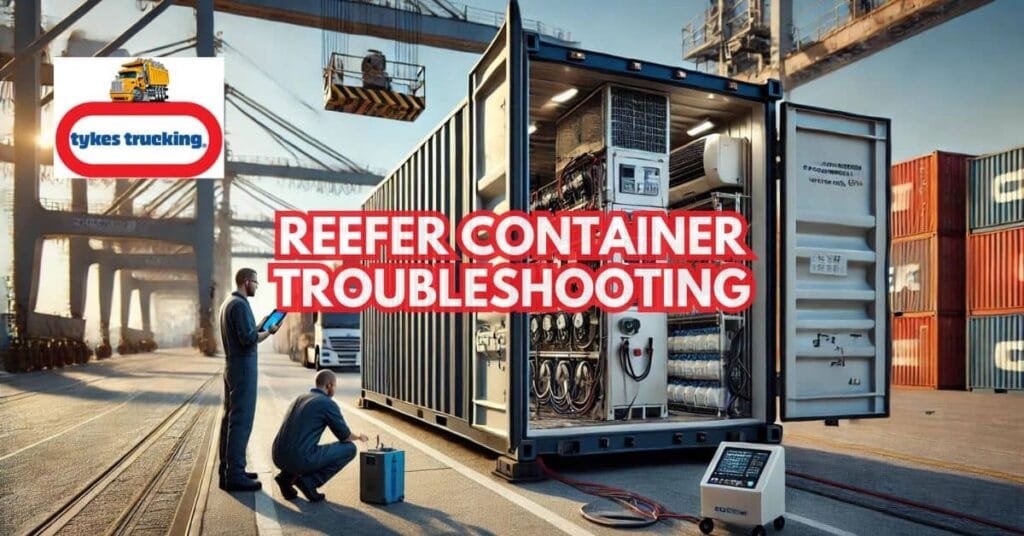
5. Not Cool Enough? Reefer Not Reaching Set Temperature
When a reefer fails to reach its set temperature, it can jeopardize your cargo’s integrity.
Start by verifying the thermostat settings to ensure they are correctly configured.
Check the door seals for any gaps or cracks that might be letting warm air in.
Regularly maintain the cooling system by cleaning and inspecting components to prevent performance issues.
If the problem persists, it might be necessary to recalibrate the system or seek professional assistance.
🚚 How Many Tons of Gravel in A Dump Truck
6. Keeping the Air Flowing: Condenser Unit Maintenance
Maintaining the condenser unit is critical for ensuring efficient cooling.
Regularly clean the condenser coils to remove dirt and debris, which can obstruct airflow and reduce efficiency.
Inspect the condenser fans to ensure they are working properly, and replace any that are faulty.
Check for any refrigerant leaks, as these can significantly impact cooling performance.
Keeping the condenser unit in excellent condition helps maintain consistent temperatures and prevents unexpected breakdowns.
🚚 How to Choose the Right Service for Aggregate Delivery in Marikina
7. Unfreezing the Problem: Dealing with Frost Buildup
Frost buildup can reduce a reefer’s efficiency and cooling capacity.
Regularly defrost the unit to prevent ice accumulation on the evaporator coils.
Inspect the door seals and gaskets for leaks that might allow moisture to enter and freeze.
Ensure that the defrost cycle settings are correctly configured and functioning properly.
Addressing frost buildup promptly helps maintain optimal cooling performance and extends the lifespan of the unit.
8. Sealing the Deal: Maintaining Airtightness
Airtight seals are vital for keeping steady temperatures inside a reefer container and protecting temperature-sensitive goods during transport.
Regular container maintenance should include checking door gaskets for cracks, flattening, or other signs of wear that can allow warm air to enter.
If damaged seals are found, they should be replaced right away to stop air leaks that cause uneven cooling.
Make sure the container doors close firmly, and verify that the locking bars and hinges are properly aligned.
Examine the container’s walls, floor, and corners for rust, dents, or small holes that may weaken the airtight structure.
Cleaning the seals with mild soap and water helps prevent dirt buildup that could affect their flexibility and grip.
These steps help reduce the risk of temperature fluctuations that can spoil products or reduce their shelf life.
Keep a record of every inspection to track when seals were last replaced or repaired.
Maintaining airtightness through careful upkeep ensures consistent cooling and better protection for valuable cargo.
🚚 How the Weight Of A Dump Truck Affects Its Performance and Safety
9. Understanding the Alarms: What the Beeps Mean
Reefer containers are equipped with alarm systems to alert you to potential issues.
Familiarize yourself with the different alarm sounds and their corresponding meanings.
Common alarms may indicate problems like high temperatures, low refrigerant levels, or electrical faults.
Promptly addressing these alarms can prevent minor issues from escalating into major problems.
Keeping an alarm reference guide handy can help you quickly identify and resolve issues.
🚚 Why Tarp Systems For Dump Trucks Are Essential for Preventing Load Spillage
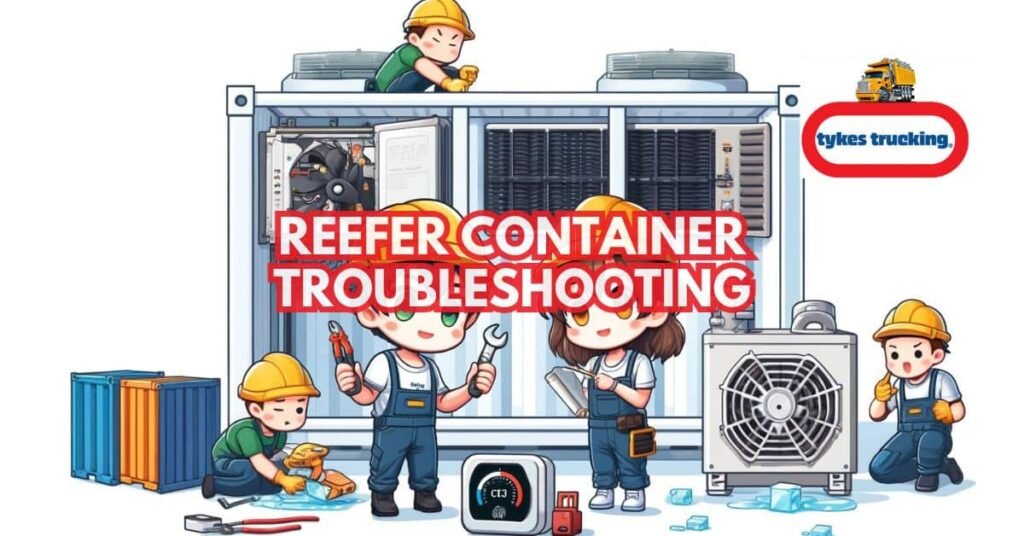
10. The Right Tools for the Job: Essential Reefer Maintenance Supplies
Having the right tools and supplies is essential for effective reefer maintenance.
Stock up on refrigerant, cleaning supplies, spare parts, and diagnostic tools.
Regularly check your inventory to ensure you have everything needed for routine checks and emergency repairs.
Tools like multimeters, pressure gauges, and leak detectors are invaluable for diagnosing and fixing issues.
Being prepared with the right equipment can save time and help keep your reefer running smoothly.
🚚 How Dump Truck Training Can Improve Job Site Safety
11. Knowledge is Power: Consulting the User Manual
The user manual is a valuable resource for troubleshooting and maintenance.
It provides detailed information on your specific reefer model, including operating instructions and troubleshooting tips.
Regularly consulting the manual can help you understand the unit’s features and maintenance requirements.
Keep the manual accessible and refer to it whenever you encounter an issue.
Knowledge from the manual can prevent mistakes and ensure proper care of your reefer.
🚚 What Are the Biggest Challenges in Oversized Load Trucking?
12. Calling in the Experts: When to Seek Professional Help
Some reefer container issues require professional expertise.
If you encounter complex problems that you can’t resolve, it’s best to call in a qualified technician.
Professionals have the skills and tools to diagnose and fix issues accurately.
Timely professional intervention can prevent costly damage and ensure your cargo stays fresh.
Knowing when to seek help can save you from further complications and expenses.
🚚 Understanding Garbage Truck Width: Why Size Matters in Waste Management
💡 Conclusion
Effective reefer container troubleshooting ensures your perishable goods remain fresh and safe during transport.
Regular maintenance, understanding common issues, and knowing when to seek professional help are key to keeping your reefer container running smoothly.
By staying proactive and attentive, you can prevent minor problems from escalating and protect the quality of your cargo.
Proper troubleshooting and maintenance practices help extend the lifespan of your reefer and ensure reliable performance.
Keep this guide handy for a cool and trouble-free shipping experience.
❓ FAQs
1. What is the most common problem with reefer containers?
One of the most common problems is poor airflow caused by blocked vents or overpacked cargo.
This can stop cold air from moving evenly through the container.
Checking the loading method and keeping vents clear can usually solve this issue.
2. How often should a reefer container be serviced?
A reefer container should be inspected before each trip and undergo full maintenance every few months.
Routine cleaning and checks on the compressor, coils, and sensors keep it efficient.
Following a regular service plan helps avoid costly breakdowns.
3. Why is my reefer container not reaching the set temperature?
This may happen if the thermostat is not set correctly or if the door seals are damaged.
Dirt on coils or low refrigerant levels can also reduce cooling power.
Regular cleaning and checking for leaks can help restore proper temperature.
4. What should I do if frost keeps forming inside the reefer?
Frequent frost buildup means too much moisture is entering the container.
Check door seals for leaks and make sure the defrost cycle is working properly.
Regular defrosting and seal inspections can prevent this issue.
5. When should I call a professional for reefer container troubleshooting?
If basic checks like power, temperature settings, or cleaning do not fix the problem, it is time to call a technician.
Complex electrical or refrigerant issues need expert attention.
Getting help early prevents damage and keeps your cargo safe.
😉 Our Services
Looking for reliable hauling services?
Tykes Trucking Services specializes in delivering aggregates and handling all your hauling needs.
We ensure timely and efficient deliveries to keep your projects on track.
Contact us today at 0917-543-5019, reach out via our Facebook page, or use our website’s contact form.
Trust Tykes Trucking Services for quality and dependable service every time.