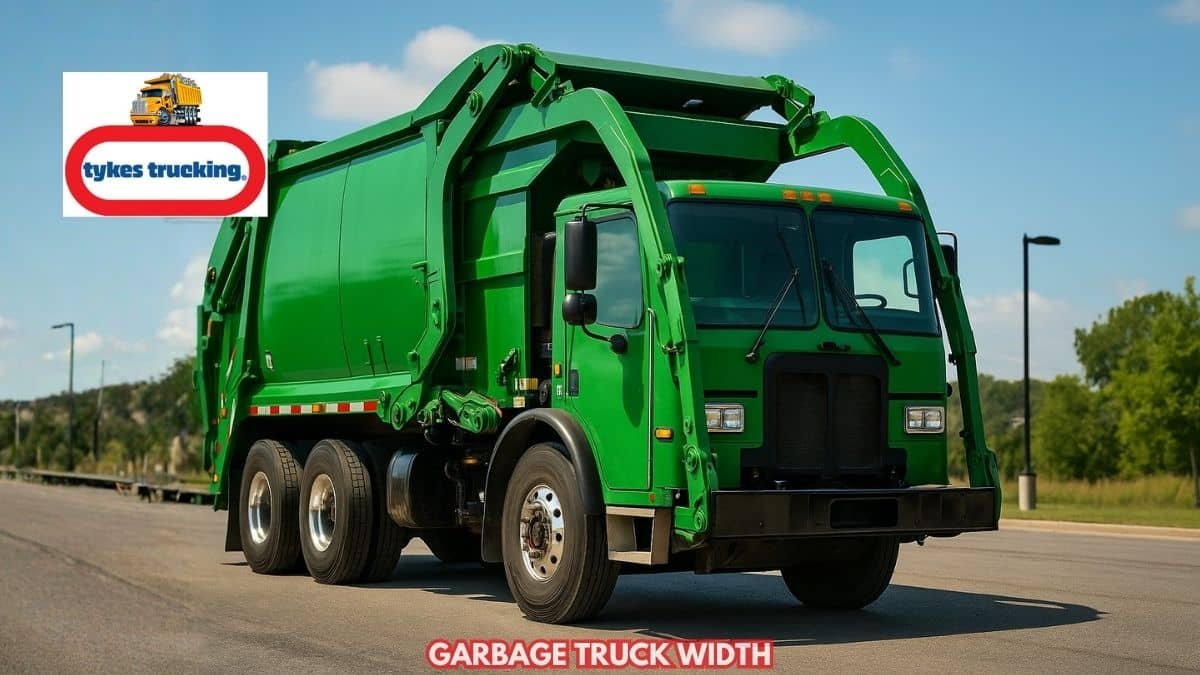
Garbage trucks play a key role in keeping cities clean, but the width of these vehicles affects far more than how much waste they can carry.
Garbage truck width determines how easily the trucks can move through busy streets, fit into narrow alleys, and operate safely near pedestrians.
When a truck is too wide, it can cause traffic delays or damage roadside structures, while a truck that is too narrow may need to make more trips.
City planners and waste managers must find the right balance to keep collection routes safe, efficient, and reliable.
Understanding garbage truck width helps communities design better roads, reduce accidents, and improve the overall quality of waste management services.
1. Standard Widths of Garbage Trucks: What You Need to Know
Garbage trucks usually measure between 8 and 9 feet wide, which is the standard size for most waste collection vehicles.
This width allows the trucks to carry large amounts of waste while still fitting safely on public roads and through intersections.
Depending on the model and design, a garbage truck can carry several tons of waste, often equal to thousands of pounds per load.
Larger trucks used in industrial or rural areas may have stronger frames and wider bodies to handle heavier materials.
These trucks must balance weight and width so that they do not exceed road safety limits or cause pavement damage.
Choosing the right width also helps ensure that each truck can carry its full ton capacity without risking tipping or mechanical strain.
Understanding how truck width relates to both pound and ton capacity helps cities and waste companies plan efficient and safe waste collection systems.
🚚 Mastering Long-Distance Fragile Trucking: The Gentle Giants
2. Understanding the Difference Between Truck Body Width and Working Width
The body width of a garbage truck measures only the main structure, not including mirrors, guards, or other attachments.
When these parts are counted, the overall width can increase by several inches on each side.
Automated side-loader trucks need even more space when their mechanical arms are in use to grab waste bins.
This working width affects how close trucks can drive to parked cars, street trees, and curbs.
Knowing both the body and operational width helps city planners and drivers keep waste collection safe and efficient.
🚚 How to Choose the Right Tandem Dump Trucks for Your Project
3. How Garbage Truck Width Influences Road Design
Garbage truck width plays an important role in how streets and neighborhoods are designed for safe and efficient waste collection.
When planning new roads, engineers must study garbage truck dimensions to make sure the vehicles can move easily through intersections and tight corners.
In older cities, narrow roads can make it difficult for larger trucks to access alleys or collect waste from every container.
Wider trucks also need more space to back up or turn around, especially in cul-de-sacs or areas with heavy parking.
Road planners often adjust curb spacing and parking limits to give trucks enough clearance to pick up bins and commercial waste safely.
The type and size of waste containers used by businesses can also affect how wide the road needs to be for smooth collection.
Designing streets that match the size and turning radius of garbage trucks helps reduce property damage and traffic congestion.
When truck width and street design work together, waste collection becomes safer and more reliable for both residential and commercial areas.
🚚 Why Howo Dump Trucks Are Popular in the Heavy-Duty Truck Market
4. Improving Collection Efficiency Through Optimal Truck Width
The width of a garbage truck has a strong effect on how efficiently it collects waste along its routes.
A wider truck can carry more material, especially when equipped with a powerful compactor that compresses waste to maximize space.
Front loader trucks are often used for large bins at businesses because their lifting arms and wide bodies allow them to handle heavy loads quickly.
Rear loader garbage trucks, on the other hand, are better for residential areas where workers manually load waste into the back of the truck.
The right width helps each truck type move smoothly through its environment without wasting time or fuel.
If a truck is too wide, it may struggle to fit down narrow streets, but if it is too narrow, it will fill up too quickly and require more trips.
Municipalities often study route layouts and collection needs to decide which width and loading system is most effective.
Balancing compactor strength, load size, and maneuverability ensures that waste collection stays fast, safe, and cost-efficient.
🚚 Top Challenges Facing the Trucking Business in the Philippines and How to Overcome Them
5. Safety First: The Importance of Garbage Truck Width
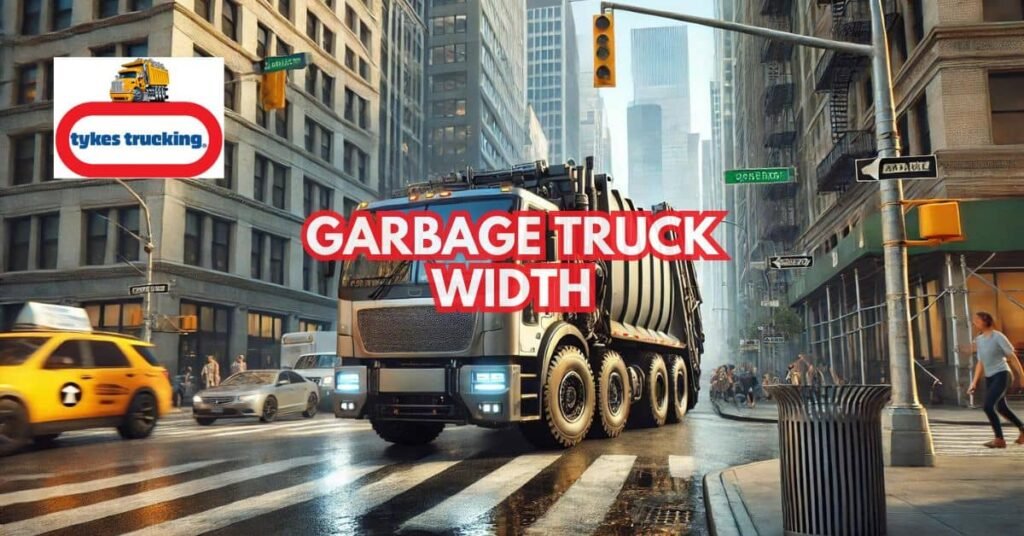
The width of a garbage truck plays an important role in keeping both drivers and pedestrians safe.
Wider trucks often have larger blind spots, which can make it harder for drivers to see people or objects nearby.
When collecting waste, the driver must control the lift and the hopper carefully to avoid accidents, especially on busy or narrow streets.
Trucks with manual loading systems require workers to move closer to the vehicle, increasing the need for clear space around the truck.
A heavier vehicle weight can also make it harder to stop quickly, which adds to safety concerns in crowded areas.
Wider trucks need more turning space, and this can be difficult in tight intersections or residential streets.
Safety tools like mirrors, rearview cameras, and side sensors help reduce risks but cannot replace careful planning and awareness.
Municipalities must train drivers to use these systems properly and to check blind spots before lifting or compacting waste.
Choosing the right truck width helps reduce accidents, improve maneuverability, and keep both workers and communities safe.
🚚 Hauling Services in Marikina: Get Rid of Your Stuff Without the Hassle
6. Environmental Benefits of Wider Garbage Trucks
Wider garbage trucks can provide several environmental benefits by increasing how much waste they can hold in one trip.
A larger compaction system allows these trucks to press more waste into the same space, improving efficiency without adding extra trips.
When a truck can carry more cubic yards of material, it uses less fuel overall, which helps lower greenhouse gas emissions.
This higher capacity also reduces the wear on tires and engines, extending the life of each vehicle in the fleet.
Municipalities that operate large fleets benefit the most, since fewer trucks on the road mean lower fuel use and maintenance costs.
Wider trucks can also handle heavier loads safely, which is useful for areas with high volumes of waste or long collection routes.
In suburban and rural regions, they can cover more ground before needing to unload, saving time and energy.
By reducing the total number of trips, these trucks lessen traffic congestion and air pollution in communities.
Overall, improving compaction and maximizing yard capacity helps make waste collection cleaner, more efficient, and better for the environment.
🚚 Exploring the Different Types of Garbage Trucks and Their Unique Functions
7. Understanding Regulatory Standards for Garbage Truck Width
Government regulations set specific standards for the maximum allowable width of garbage trucks, especially when they operate on public roads.
These regulations ensure that trucks do not disrupt traffic flow or cause damage to infrastructure, such as roads or bridges.
In the U.S., for instance, the standard maximum width for vehicles is typically 8.5 feet, although there are exceptions for specialized vehicles.
Waste management companies need to be familiar with these rules to avoid fines, penalties, or operational delays.
Keeping up with changing regulations is essential for staying compliant and ensuring smooth, safe operations.
🚚 Exploring Dump Truck vs Dump Trailer Options
8. Comparing Garbage Truck Widths with Other Service Vehicles
Garbage trucks tend to be wider than many other service vehicles, like delivery vans or utility trucks, due to the nature of their operations.
While delivery vehicles are designed for flexibility and access in tight spaces, garbage trucks need to prioritize capacity to efficiently handle large amounts of waste.
Utility trucks may also be narrower because they are often used in specialized tasks that require agility over bulk.
The size difference can affect how each vehicle interacts with roadways and urban design.
Understanding these comparisons helps city planners better allocate road space and develop appropriate routes for each type of service vehicle.
🚚 Why Dump Truck Hauling is the Right Choice
9. Innovations in Design: The Future of Garbage Truck Width
New technology is changing how garbage trucks are designed to make them more efficient without increasing their width.
Many manufacturers, including companies like Heil, are developing models with better compaction systems that allow trucks to store more waste in the same space.
These systems help trucks handle more material while keeping their structure within standard loader garbage truck specifications.
Engineers are also testing lighter materials that reduce the vehicle’s weight, making it easier to drive and more fuel-efficient.
Some designs now include sensors that can weigh collected waste automatically, helping operators monitor loads and prevent overfilling.
Adjustable axles and steerable rear wheels make it possible for wide trucks to move safely through tight areas or narrow streets.
Advanced hydraulic lifts and compactors also improve performance without adding extra width to the body.
Together, these design improvements aim to create smarter trucks that balance power, safety, and maneuverability for the future of waste collection.
🚚 How to Select the Best Dump Truck Hauling Services in Cainta
10. Community Impacts of Garbage Truck Width on Neighborhoods
The width of garbage trucks can have a direct effect on the day-to-day lives of residents, especially in densely populated neighborhoods.
Wider trucks may require parking restrictions or street redesigns to ensure smooth passage, which can inconvenience local residents.
In narrow streets or older communities, these trucks may cause delays or even require alternate routes, affecting service reliability.
Conversely, trucks that are appropriately sized for specific areas can improve collection efficiency and reduce noise pollution by making fewer trips.
Cities must balance the benefits of larger trucks with their impact on community infrastructure and quality of life.
🚚 Hauling Aggregates by Dump Truck
11. Looking Ahead: Future Trends in Garbage Truck Design
As cities continue to grow and waste production increases, the garbage truck industry is working to create smarter and more adaptable designs.
Future models are being developed to use energy more efficiently and to meet strict environmental standards.
Electric garbage trucks are becoming an ideal choice for many municipalities because they reduce noise and air pollution.
Some new designs are being tested for autonomous operation, which could improve safety and allow trucks to function in tighter spaces.
Modular designs are another important application, giving cities the option to adjust truck size and capacity based on route conditions and waste volume.
In the waste management industry, this flexibility helps reduce costs while maintaining reliable service.
Manufacturers are also exploring ways to make parts easier to replace or upgrade, extending vehicle lifespan and lowering maintenance needs.
Together, these trends point toward an ideal future where garbage trucks are cleaner, smarter, and better suited for a variety of urban and rural applications.
🚚 Affordable Dump Truck Transport in Marikina
💡 Conclusion
Garbage truck width is more than just a technical specification; it plays a crucial role in determining the efficiency, safety, and environmental impact of waste collection.
By choosing the right width, municipalities can enhance collection processes, reduce accidents, and minimize disruption in neighborhoods.
As waste management evolves, new technologies and designs will continue to influence the dimensions of these trucks.
Future innovations promise to deliver smarter, more adaptable vehicles without compromising on their essential functions.
Understanding and addressing the significance of truck width will be key to successful waste management strategies in the years ahead.
😉 Our Services
Tykes Trucking Services is your reliable partner for delivering aggregates and providing top-quality hauling services.
We ensure prompt and efficient transport for all your construction and landscaping needs.
Whether it’s gravel, sand, or other materials, we’ve got you covered.
Contact us at 09175435019, message us on our Facebook page, or reach out through our website’s contact form.
Trust Tykes Trucking Services to get the job done right, every time.
❓ FAQs
1. What is the average width of a garbage truck?
Most garbage trucks are about 8 to 9 feet wide.
This size allows them to carry enough waste while still fitting safely on most public roads.
The exact width can vary depending on the truck’s model and purpose.
2. Why does garbage truck width matter in waste management?
Garbage truck width affects how easily a truck can move through different areas, such as narrow city streets or wide suburban roads.
If a truck is too wide, it can block traffic or damage property.
If it is too narrow, it may need to make more trips to collect the same amount of waste.
3. How do mirrors and side arms change the working width of garbage trucks?
The listed width of a garbage truck usually measures only the body, not extra parts like mirrors, guards, or mechanical arms.
When these parts are included, the working width can be several inches wider.
This means drivers must plan carefully when operating near parked cars or street obstacles.
4. Are there laws that limit garbage truck width?
Yes.
In the United States, most states follow a federal rule that limits vehicle width to about 8.5 feet on public roads.
Special trucks may need extra permits if they go beyond this size.
These rules help keep roads safe for all vehicles.
5. How can choosing the right garbage truck width improve efficiency?
Selecting the right width helps trucks move smoothly through their routes without delays.
A well-sized truck can carry more waste per trip while still fitting in tight spaces.
This reduces fuel use, saves time, and lowers the cost of waste collection.