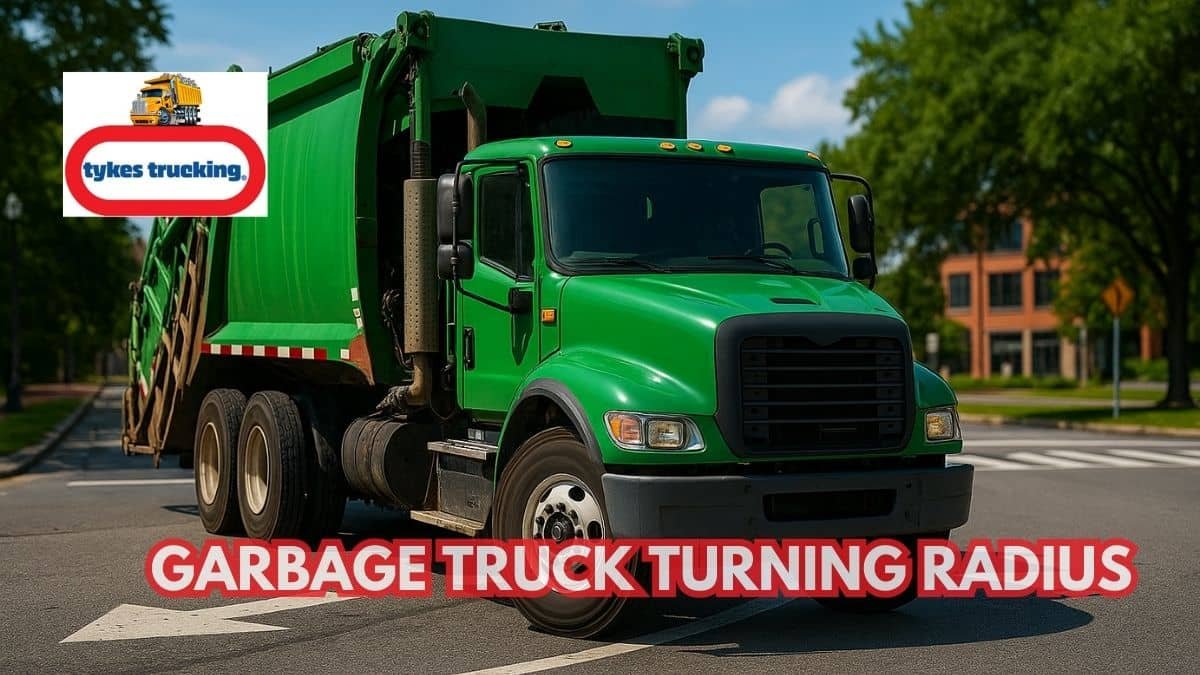
The garbage truck turning radius plays an important role in how well waste can be collected in crowded city streets.
A smaller turning radius makes it easier for trucks to move through narrow lanes and busy areas where space is very limited.
When trucks cannot turn smoothly, collection routes take longer, and fuel use goes up, which also increases costs.
Careful attention to turning radius helps protect drivers, pedestrians, and property while improving the flow of work.
Understanding this detail shows how even small changes in truck design can make a big difference in the safety and efficiency of urban waste management.
1. Navigating a Maze: The Challenges of Tight Streets for Garbage Trucks
Tight streets present numerous challenges for garbage trucks, including sharp turns and limited space that restrict movement.
In many parts of a town, parked cars and narrow passageways make it hard for large vehicles to move without repeated maneuvers.
Each extra turn or stop not only slows down the collection process but also increases fuel use and driver fatigue.
The layout of a location, such as alleyways, dead ends, or steep corners, can add even more difficulty to sanitation routes.
These conditions often result in longer collection times, delayed schedules, and higher operating costs for local services.
Drivers must remain alert and skilled to avoid hitting vehicles, fences, or sidewalks while working in such demanding environments.
Careless movements in crowded areas may cause property damage or create safety risks for pedestrians.
To overcome these obstacles, effective route planning and coordination with local authorities are essential to maintain reliable sanitation services.
🚚 Why a Flatbed Truck Tent Is the Ultimate Game Changer for Outdoor Enthusiasts
2. Turning the Corner on Confusion: Understanding Garbage Truck Turning Radius
The turning radius is the smallest circular turn a truck can make and is measured in meters.
It is determined by the truck’s wheelbase, axle configuration, and steering mechanism.
Trucks with a smaller turning radius can make sharper turns, which is beneficial in urban areas.
Understanding this metric helps in selecting the right vehicle for specific routes.
It also aids in designing better urban infrastructure to accommodate waste collection vehicles.
🚚 Why Investing in Commercial Truck Accessories Pays Off Long Term
3. Beyond the Numbers: Swept Path, Off Tracking, and Tail Swing
When a garbage truck turns, the rear wheels follow a shorter path than the front wheels.
This effect is called off-tracking, and it makes the truck need more space inside the curve.
At the same time, the back end of the truck swings outward, which is called the tail swing.
Tail swing can hit parked cars, poles, or walls, even if the turning radius looks safe on paper.
Knowing about these extra movements helps drivers and planners keep trucks and streets safe.
🚚 Don’t Get Caught Off Guard: An Essential Guide to Dump Truck Height Clearance
4. More Than Just Minutes: How Turning Radius Impacts Efficiency
A garbage truck with a smaller turning radius can finish collection routes more quickly because it spends less time making extra turns in tight areas.
Reduced maneuvering not only saves time but also lowers fuel use, which directly cuts operating costs and reduces harmful emissions.
This efficiency is important for a business that must manage many routes every day while keeping expenses under control.
Faster collections also allow trucks to serve additional neighborhoods, improving overall sanitation coverage within the same work shift.
A smoother drive through crowded streets means fewer delays and less wear on the vehicle, which helps extend its service life.
Municipalities benefit as well because they can redirect resources to other pressing needs instead of covering wasted time or fuel.
Overall, a smaller turning radius improves both the speed and the reliability of garbage collection services.
🚚 Conquering the Can: The Power of the Garbage Truck With Arm
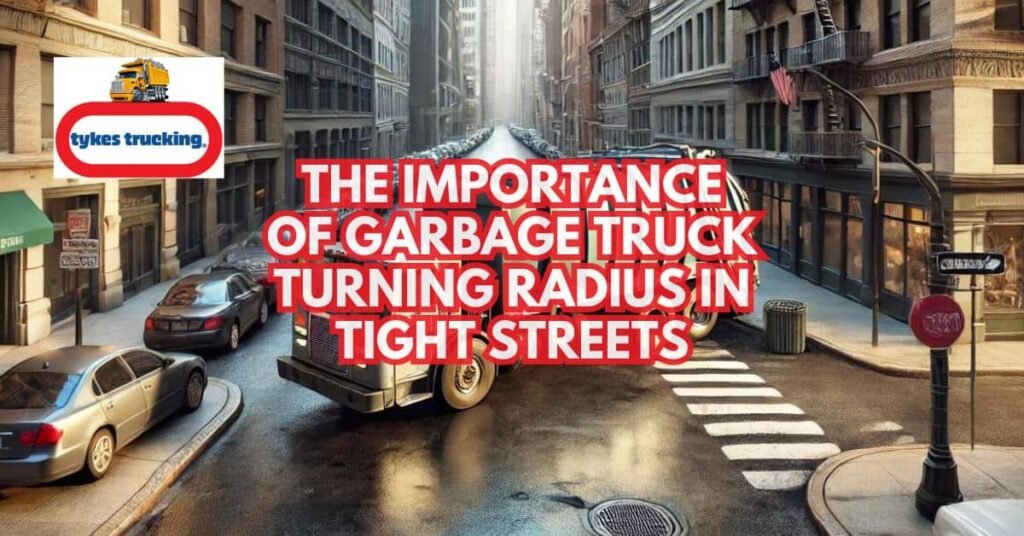
5. Safety in Tight Spaces: The Risks of Limited Maneuverability
Limited maneuverability in tight spaces significantly increases the risk of accidents.
Garbage trucks need to navigate around parked cars, pedestrians, and other obstacles.
A larger turning radius can lead to frequent three-point turns, heightening the risk of collisions.
Improved maneuverability reduces these risks, ensuring safer operations for both drivers and the public.
Investing in trucks with a smaller turning radius can mitigate these safety concerns.
🚚 What to Look for When Hiring Construction Dump Truck Services for Your Project
6. Big Benefits in Small Packages: Advantages of a Tighter Turning Radius
Trucks with a tighter turning radius can move through narrow streets and sharp corners more easily, making them well-suited for crowded neighborhoods.
They need less space to complete each turn, which reduces the number of complicated maneuvers a driver must perform during collection.
This ability saves time on the route and lowers fuel use, which also helps reduce overall operating costs.
A truck with this feature can reach a site that might be blocked or too small for a larger vehicle, ensuring that no part of a community is left out of waste collection.
Choosing the right type of truck for these conditions is important because different models are designed to handle different street layouts and waste volumes.
Smaller, more maneuverable trucks also place less stress on road surfaces and cause fewer traffic disruptions.
These combined advantages make them highly effective in busy urban areas where every meter of space is valuable.
🚚 Can Upgrading Flatbed Truck Tail Lights Improve Nighttime Visibility?
7. Finding the Right Balance: Considerations for Smaller Trucks
Selecting the right truck involves balancing size and turning radius with operational needs.
Smaller trucks with a tight turning radius are suitable for narrow streets but must still have adequate capacity.
Consideration must be given to the specific waste collection demands of the area.
Trucks must be able to handle the volume of waste while maintaining maneuverability.
Proper assessment ensures that the chosen vehicles meet both efficiency and capacity requirements.
🚚 From Pit to Pavement: The Amazing Journey of a Dump Truck Load of Gravel
8. Tech to the Rescue: Solutions for Tight Maneuvering
Technological advancements are making it easier for garbage trucks to maneuver in tight spaces.
Rearview cameras, sensors, and advanced steering systems enhance driver visibility and control.
These features help drivers navigate safely and efficiently, even in challenging environments.
Additionally, GPS route optimization tools can plan the most efficient paths, reducing the need for complex maneuvers.
Technology is thus a key ally in improving garbage truck maneuverability.
🚚 Going Big or Going Home: A Guide to Garbage Truck Size
9. A Cleaner Community Starts with a Smooth Turn: The Impact on Your Neighborhood
Efficient garbage collection starts with trucks that can navigate tight streets seamlessly.
Trucks with a smaller turning radius can access more areas, ensuring no neighborhood is left out.
This capability reduces missed pickups and overflow, contributing to cleaner streets.
Residents benefit from consistent waste collection, leading to a healthier environment.
Investing in maneuverable trucks directly impacts community cleanliness and satisfaction.
🚚 Why Choosing the Right Flatbed Truck Tarps Is Crucial for Safety
10. Planning for the Future: The Role of Urban Design in Garbage Collection
Urban design significantly influences the efficiency of garbage collection.
Designing streets that accommodate garbage truck maneuverability can improve collection efficiency.
Wider roads, fewer obstructions, and designated collection points can reduce navigation challenges.
Planners must consider waste management needs in their designs to ensure future efficiency.
Proper urban planning supports smoother and more effective waste collection processes.
🚚 Hauling Services With Dump Trucks
11. Electric Efficiency and Beyond: The Future of Garbage Truck Maneuverability
Electric garbage trucks are emerging as a solution for eco-friendly and efficient waste collection.
These trucks often feature advanced maneuverability technologies, such as all-wheel steering.
Electric models reduce emissions, contributing to a cleaner environment while maintaining efficient operations.
Innovations in electric vehicle technology promise even better maneuverability in the future.
The combination of electric efficiency and advanced steering is set to revolutionize garbage collection.
🚚 Reliable Dump Truck Hire in Marikina City
💡 Conclusion
The turning radius of a garbage truck is a vital factor in urban waste management.
Smaller turning radii improve maneuverability, leading to enhanced efficiency and safety.
These benefits translate to cleaner communities and more effective waste collection.
Investing in trucks with optimal turning capabilities is essential for modern urban environments.
Proper planning and technology integration can further enhance these benefits, ensuring sustainable waste management solutions.
😉 Our Services
Tykes Trucking Services offers reliable aggregate delivery and hauling services.
Our expert team ensures the timely and efficient transportation of materials for your project needs.
Contact us at 09175435019, through our Facebook page, or via the site’s contact form for inquiries and bookings.
We pride ourselves on delivering top-notch service with a focus on customer satisfaction.
Choose Tykes Trucking Services for all your hauling and aggregate delivery requirements.
❓ FAQs
1. What is considered a good turning radius for a garbage truck operating in a dense city?
A good turning radius for an urban garbage truck is typically between 15 to 20 meters (50 to 65 feet).
However, the ideal number depends on the specific truck class and the layout of the city it serves.
For extremely narrow or historic districts, specialized trucks with even smaller turning radii are often required to provide effective service.
2. How does a truck’s turning radius affect safety for pedestrians?
A truck with a large turning radius may need to mount the curb or perform multi-point turns (like a three-point turn) in tight spaces.
These complex maneuvers increase the chances of blind spots and unpredictable movements, posing a risk to pedestrians.
A smaller turning radius allows the driver to make smooth, predictable turns, keeping the vehicle within its lane and away from sidewalks, which significantly enhances pedestrian safety.
3. Besides the turning radius, what other truck features help with maneuvering in tight streets?
Modern technology plays a huge role.
Features like rear-steer axles (where the back wheels also turn slightly), a cab-over-engine design (which shortens the vehicle’s wheelbase), and advanced camera systems (providing a 360-degree view) are critical.
These technologies work together to reduce the truck’s effective turning circle and eliminate blind spots for the driver.
4. Is turning radius just an issue for garbage trucks?
Not at all.
While this article focuses on garbage trucks, maneuverability is a critical issue for any large vehicle operating in cities.
This includes construction vehicles like dump trucks, cement mixers, delivery trucks, and fire engines.
Efficiently navigating tight streets is essential for all these services to operate safely and on schedule.
5. As a resident, what can I do to help garbage trucks navigate my street more easily?
Residents can make a big difference!
Be mindful of where you park on collection days; avoid parking too close to corners or directly across from other vehicles on narrow streets.
Pruning trees or shrubs that overhang the road can also prevent obstructions.
These small actions help ensure that collection services can be completed safely and without delays.