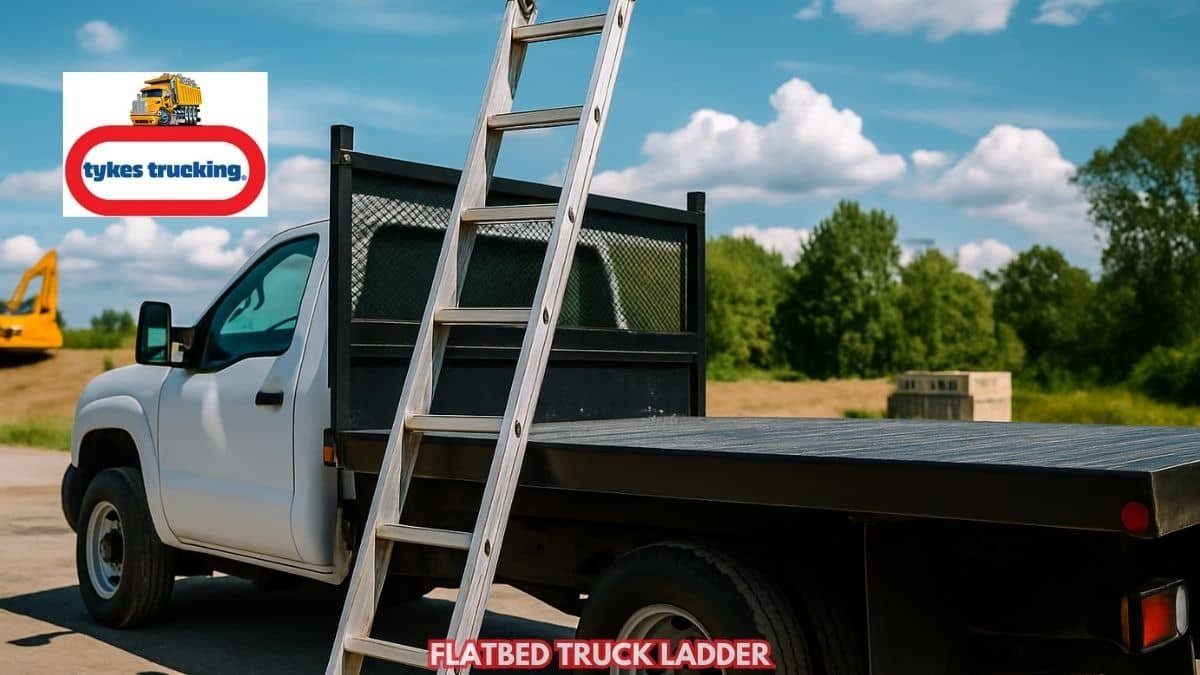
Flatbed truck ladder safety is important for anyone who works with trucks, whether on a job site or for home projects.
Using a ladder the wrong way can lead to falls, damaged equipment, or accidents on the road.
A flatbed truck ladder requires careful handling because both the truck and the ladder must be secure before use.
Safe practices include choosing the right ladder, setting it up correctly, and paying attention to conditions that could affect balance or visibility.
By learning and following these steps, both professionals and DIYers can reduce risks and work with greater confidence.
1. Choosing the Right Ladder for Your Flatbed Truck
Choosing the correct ladder means looking at the type of work you need to do and the specific needs of your flatbed truck.
The ladder should be tall enough to reach the right height without making you stretch too far, which could cause you to lose balance.
Material is also important because each product has strengths and weaknesses that affect safety and ease of use.
Aluminum is a good option because it is light and does not rust easily, while fiberglass offers more strength but adds extra weight.
Some ladders are made with steel, which provides strong support, but they may be harder to move because of their heavier build.
Always check the weight capacity so the ladder can hold you and the tools or materials you plan to carry.
It also helps to compare different ladder designs to find the best option for your kind of work and the size of your flatbed truck.
Making the right choice will keep you safer and make your tasks easier to complete.
🚚 Are Dump Trucks Automatic, and What Does it Mean?
2. Positioning Your Ladder Safely on the Flatbed
Proper ladder placement on the flatbed is an important step that helps prevent accidents and injuries.
Before climbing, check that the ladder’s feet are firmly on a flat surface so it does not shift while you are working.
If the flatbed is uneven or tilted, move the ladder to a safer location instead of risking instability.
Avoid mounting the ladder too close to the edge of the flatbed because this increases the chance of tipping if you lean or carry tools.
Make sure the ladder is centered and balanced so that your weight is evenly supported while climbing.
Always double-check that the ladder is secure and steady before putting your full weight on it.
🚚 Essential Recovery Truck Accessories for Every Roadside Rescue
3. Inspecting Your Ladder and Truck Before Use
Before you start, inspecting both your ladder and truck helps you identify potential hazards.
Check the ladder for any signs of wear and tear, such as cracks, rust, or loose bolts.
Look at the flatbed to ensure there’s no debris or slippery substances that could affect ladder stability.
Make sure the truck is parked securely, with the brakes engaged and the vehicle on even ground.
Regular inspections can help catch small issues before they become bigger problems.
🚚 Dirt Hauling Services: Essential for Construction and Landscaping
4. Training and Proper Use of Ladders
Ladder training teaches people how to climb and work safely on a flatbed truck.
It includes simple steps like always keeping three points of contact when using the ladder.
Users should face the ladder when climbing instead of turning sideways or backward.
Heavy tools should be carried with a belt or bucket instead of in the hands while going up or down.
Learning and practicing these skills lowers the chance of accidents for both professionals and DIYers.
🚚 Maximizing Your Dump Truck Load Capacity: Tips and Tricks
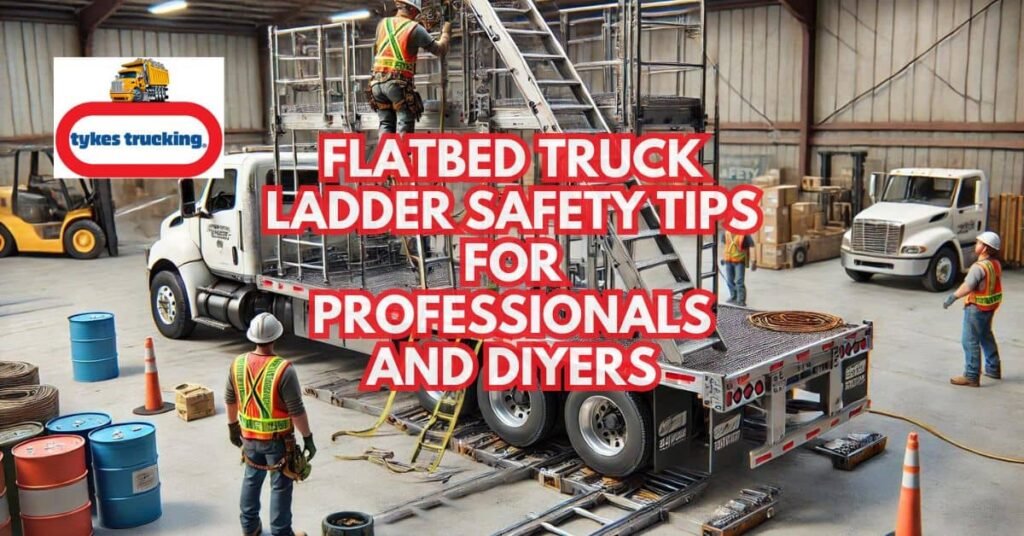
5. How to Load and Unload Your Ladder Safely
Loading and unloading a ladder from your flatbed truck requires careful steps to prevent accidents and protect the ladder.
If the ladder is long or heavy, ask for help from another person instead of trying to move it alone.
When lifting, bend your knees and use the strength of your legs while keeping the ladder close to your body so you stay balanced.
Secure the ladder in a stable spot on the flatbed or trailer so it will not move, slide, or damage other equipment during transport.
When unloading, keep a strong grip and look around for uneven ground, loose tools, or other obstacles that might cause you to fall.
Taking these steps makes the process safer and keeps both you and your equipment in good condition.
🚚 Mastering the Dump Truck Automatic Transmission
6. Distributing Weight Evenly to Prevent Tipping
Distributing weight evenly when setting up your ladder is essential to prevent tipping accidents.
Uneven weight distribution, especially on flatbed trucks, can cause the ladder to become unstable.
Always ensure that the ladder’s weight is centered and that your body weight is evenly spread when climbing.
Avoid leaning too far to one side, as this can cause the ladder to shift and tip over.
Stabilizers or additional support can be used for extra balance when working with heavier tools or on uneven ground.
🚚 Why Commercial Dump Truck Hauling Is Essential for Large-Scale Earthmoving
7. Securing Your Ladder to the Truck Bed
Securing your ladder to the flatbed truck is necessary to ensure safe transportation.
Use tie-down straps, bungee cords, or similar securing devices to keep the ladder from shifting or falling off the flatbed.
Double-check that the straps are tightly fastened and the ladder is firmly in place.
Make sure the ladder does not protrude from the truck in a way that could endanger other drivers on the road.
Taking the time to secure the ladder properly will prevent accidents and damage during transit.
🚚 How to Choose the Right Dump Trucks for Residential Construction for Your Site
8. Ensuring Good Visibility While Transporting the Ladder
Good visibility is key when transporting a ladder on your flatbed truck, as it can affect both your safety and that of other drivers.
Ensure the ladder is positioned in a way that does not obstruct your rearview or side mirrors.
If the ladder is long, consider using flags or reflective tape to increase visibility for other vehicles.
Avoid stacking other equipment in a way that blocks your view of the road.
Clear visibility allows you to drive more safely and reduces the chances of accidents.
🚚 Dump Truck Tire Size Matters: Impact on Performance and Cost
9. Handling Different Weather Conditions When Hauling a Ladder
Weather conditions can significantly impact ladder safety when hauling or using a ladder on a flatbed truck.
Rain, snow, or ice can make the ladder and flatbed slippery, increasing the risk of accidents.
In wet conditions, ensure the ladder has non-slip feet and use extra straps to secure it to the flatbed during transit.
If working in windy weather, be cautious of gusts that could destabilize the ladder or affect your balance while climbing.
Always assess the weather before starting work, and delay tasks if conditions are too dangerous.
🚚 Trucking and Hauling Services in the Philippines
10. Wearing Proper Safety Gear When Working with Ladders
Proper safety gear is essential when working with ladders on a flatbed truck.
Always wear non-slip shoes to reduce the risk of slipping, especially when climbing in wet or uneven conditions.
Gloves can help you maintain a firm grip on the ladder, and a helmet provides protection in case of falls or accidents.
Safety harnesses should be considered if you are working at significant heights or in challenging environments.
By wearing the right gear, you reduce the risk of injury and increase your overall safety on the job.
🚚 Hauling Aggregates by Dump Truck
11. What to Do in Case of an Accident with a Ladder on Your Flatbed
In the event of an accident involving a ladder on your flatbed truck, staying calm is key.
First, assess any injuries and provide first aid if necessary, prioritizing the safety of yourself and others.
If the ladder has fallen or caused damage to your truck or surrounding property, secure the area to prevent further incidents.
Report the accident to the proper authorities or your employer if required, and document any damage for insurance purposes.
Always ensure any repairs are made before continuing work to prevent future issues.
🚚 Comprehensive Dump Truck Rentals in Marikina
💡 Conclusion
Staying safe with your flatbed truck ladder is about following basic but essential guidelines.
From choosing the right ladder to securing it properly, every step you take can help prevent accidents and make your work more efficient.
Remember that safety should always come first, whether you’re a seasoned professional or a DIYer handling a simple task.
Regular inspections, proper safety gear, and attention to weather conditions all contribute to a secure work environment.
Prioritize these tips to ensure you stay safe and effective while using your flatbed truck ladder.
😉 Our Services
At Tykes Trucking Services, we specialize in delivering high-quality aggregates and providing reliable hauling services.
Whether you need materials for construction or general transport, we’re ready to meet your needs with efficiency and care.
Our team ensures safe and timely deliveries for every job, big or small.
Reach out to us at 09175435019, via Facebook, or through our site’s contact form for inquiries or bookings.
Let Tykes Trucking Services handle your hauling needs with professionalism you can count on.
❓ FAQs
1. What type of ladder is best for a flatbed truck?
The best ladder depends on your work needs and the truck setup.
Aluminum ladders are light and resist rust, while fiberglass ladders are stronger but heavier.
Always check the ladder’s weight capacity and make sure it is tall enough for the task without needing to stretch.
2. How can I keep my ladder from sliding on the flatbed?
To keep the ladder steady, place it on a flat surface and use non-slip feet if available.
Tie-down straps or bungee cords can hold it in place during transport.
Always double-check the ladder before climbing.
3. Do I need safety gear when using a flatbed truck ladder?
Yes, proper safety gear reduces the chance of injury.
Non-slip shoes give better footing, gloves improve grip, and a helmet protects your head.
A safety harness is useful when working at greater heights.
4. How should I load and unload a ladder from a flatbed truck?
Lift with your legs, not your back, and keep the ladder close to your body for better control.
If the ladder is too heavy, ask someone to help.
Place it securely on the truck so it will not shift during transport.
5. What should I do if my ladder gets damaged while in use?
Stop using the ladder right away if you notice cracks, bent parts, or broken feet.
Mark it as unsafe and replace or repair it before using it again.
Using a damaged ladder increases the risk of accidents.