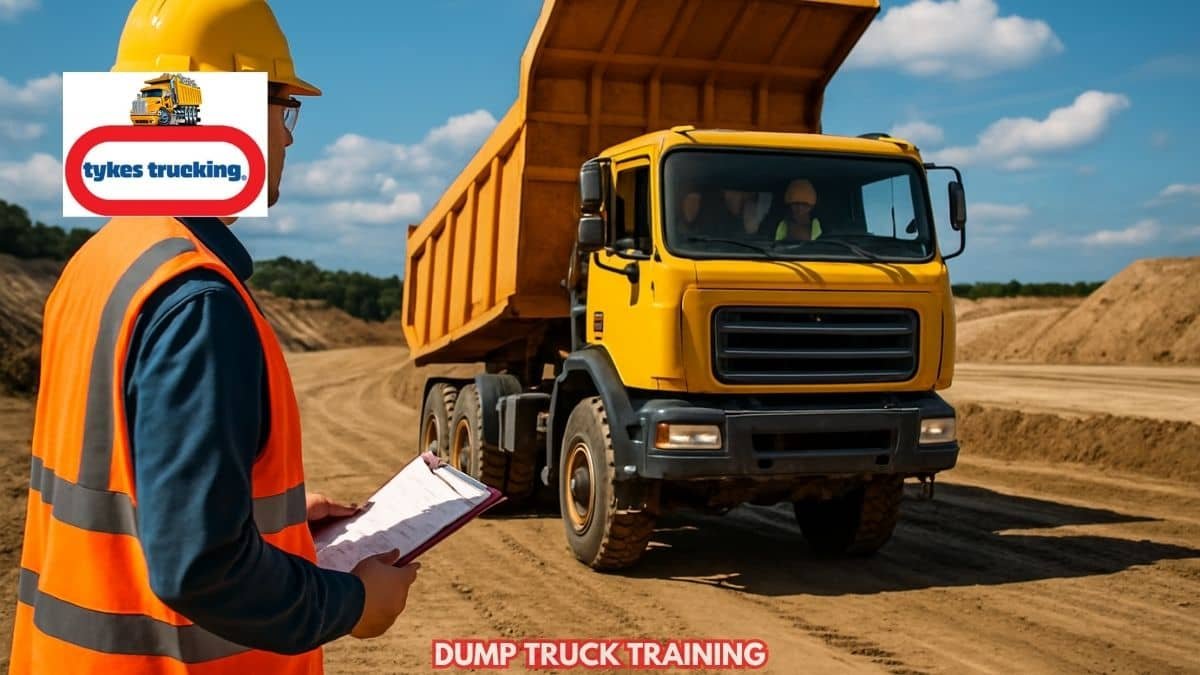
Dump truck training is essential for keeping job sites safe, efficient, and compliant with safety standards.
It helps operators gain the right knowledge and skills to handle equipment properly and recognize potential hazards.
Through a combination of classroom learning and hands-on practice, workers become more confident and capable in their roles.
Training also reduces the chances of injury, property damage, and costly downtime.
With a well-trained team, companies build a culture of safety and accountability that benefits everyone on site.
1. Enhanced Hazard Awareness
Dump truck training teaches truck drivers how to recognize and manage job site hazards before they lead to accidents.
Operators learn to spot uneven ground, blind spots, and overhead power lines that may pose serious risks.
The training also covers how weather and surface conditions can affect truck movement and stability.
Truck drivers practice keeping safe distances from other workers, machines, and vehicles while operating or dumping materials.
Instructors emphasize how quick observation and clear communication can prevent struck-by and caught-between accidents.
With strong hazard awareness, operators make safer choices that protect themselves and everyone on the job site.
🚚 What Are the Biggest Challenges in Oversized Load Trucking?
2. Proper Dump Truck Handling
Training gives every dump truck driver the skills needed to operate safely and efficiently under many job site conditions.
Operators practice keeping the truck stable while carrying heavy equipment loads and moving across uneven or sloped ground.
They learn how to control speed, balance materials, and use the right gear when driving in tight or crowded areas.
Instructors also teach safe dumping procedures to avoid tip-overs or spills that could harm people or damage property.
These lessons help drivers improve their control when reversing, braking, and turning sharply.
Training also includes understanding the limits of the vehicle and how different materials affect its balance.
By mastering these techniques, operators can transport materials safely without overworking the truck.
Proper handling protects workers, reduces accidents, and extends the life of the machinery.
🚚 Understanding Garbage Truck Width: Why Size Matters in Waste Management
3. Adherence To Safety Protocols
A key part of dump truck training is learning and following standard safety protocols.
Operators are trained in traffic control plans, safe driving routes, and keeping proper distances from overhead hazards.
They also review emergency procedures for accidents involving electrical lines or other site risks.
Regular adherence to these protocols helps create consistency and discipline across teams.
When everyone follows the same safety standards, the chance of accidents drops significantly.
🚚 Mastering Long-Distance Fragile Trucking: The Gentle Giants
4. Use Of Safety Technology
Modern dump trucks come with safety tools such as backup cameras, proximity alarms, and body-up indicators that help improve visibility and awareness.
During training, each dump truck operator learns how to use these systems correctly to avoid collisions and accidents in blind spots.
Instructors explain the best practices for checking sensors, testing alarms, and keeping equipment in good working order.
Operators are also reminded that technology should support, not replace, careful driving and alertness.
They practice combining these tools with proper mirror use and constant visual checks around the vehicle.
Understanding both the strengths and limits of these devices helps drivers make smart, safe choices on every job.
Using safety technology the right way adds extra protection for the operator, coworkers, and the entire work site.
🚚 How to Choose the Right Tandem Dump Trucks for Your Project
5. Effective Communication On Site
Strong communication prevents confusion and accidents among crew members.
Dump truck training teaches both operators and ground workers how to use hand signals, radios, and visual cues to stay in sync.
Workers learn how to alert others when backing up, dumping, or moving through shared spaces.
Clear communication helps prevent struck-by and caught-between incidents, which are major job site risks.
When everyone understands how to communicate safely, the entire work area becomes more coordinated and efficient.
🚚 Why Howo Dump Trucks Are Popular in the Heavy-Duty Truck Market
6. Regulatory Compliance Training
A well-structured training program ensures that every dump truck operator understands and meets OSHA and other safety rules.
The program covers key legal topics such as load limits, equipment inspections, and operator certification.
Participants learn how to keep accurate safety records, log maintenance checks, and complete inspection forms properly.
Trainers explain why each step matters for both legal and safety reasons.
To check understanding, a short quiz may be given after each session to help workers review important points.
This approach reinforces consistent compliance and helps identify areas where more learning is needed.
Following regulations through proper training keeps job sites safer and prevents costly penalties for companies.
🚚 Top Challenges Facing the Trucking Business in the Philippines and How to Overcome Them
7. Hands-On Operational Experience
Practical, hands-on experience helps operators apply what they have learned in real working conditions.
During training, they practice loading and unloading, controlling speed, and maintaining balance on uneven terrain.
These sessions also help build quick reaction skills in case of unexpected events.
Experienced instructors guide operators through safe habits that transfer directly to job sites.
Hands-on training builds both competence and confidence for everyday operations.
🚚 Hauling Services in Marikina: Get Rid of Your Stuff Without the Hassle
8. Emergency Response Preparedness
Accidents and emergencies can happen even on well-managed sites.
Training prepares operators to respond safely during events such as electrical contact, equipment failure, or vehicle instability.
They learn step-by-step procedures to shut down machinery and call for help quickly.
Knowing how to handle emergencies helps protect both the operator and nearby workers.
Quick and correct action often prevents small issues from becoming major incidents.
🚚 Exploring the Different Types of Garbage Trucks and Their Unique Functions
9. Prevention Of Equipment Damage
Proper training teaches operators how to reduce equipment strain and prevent mechanical failure.
They learn to inspect fluid levels, check brakes and tires, and operate hydraulics carefully.
Following correct loading and dumping procedures prevents uneven stress and structural wear.
These habits save companies from costly repairs and lost work time.
Preventing damage also helps maintain a safer and more reliable job site overall.
🚚 Aggregate Transport Services with Dump Trucks
10. Building Employer And Worker Confidence
Certified and well-trained operators give employers peace of mind that their equipment is in safe hands.
Workers also gain confidence from knowing they can perform their duties correctly and securely.
This trust between management and staff strengthens teamwork and overall morale.
When everyone feels capable and respected, they are more likely to follow safety rules.
A confident crew supports a strong safety culture that benefits every project.
🚚 Dependable Dump Truck Solutions Marikina
💡 Conclusion
Dump truck training provides the knowledge, skills, and confidence needed to make job sites safer and more productive.
It equips operators to recognize hazards, handle equipment responsibly, and respond effectively to emergencies.
The use of safety technology, proper communication, and adherence to rules all work together to reduce risks.
Investing in training not only protects workers but also saves time and money for employers.
In the end, well-trained operators are the foundation of a safe and successful work environment.
😉 Our Services
Tykes Trucking Services delivers quality aggregates and reliable hauling services for all types of projects.
Our team ensures every delivery is safe, on time, and handled with care.
We take pride in helping contractors and builders keep their job sites running smoothly.
For inquiries or bookings, you can reach us at 0917-543-5019, through our Facebook page, or by using the contact form on our website.
Choose Tykes Trucking Services for dependable service you can count on every time.
❓ FAQs
1. What is dump truck training?
Dump truck training teaches workers how to operate dump trucks safely and effectively.
It includes lessons on load control, driving techniques, and hazard awareness.
The goal is to help operators work safely around people, vehicles, and equipment.
Training also covers maintenance checks and safety rules that reduce accidents.
2. Why is dump truck training important for job site safety?
Dump truck training helps prevent accidents that cause injuries and damage.
Operators learn how to spot hazards, follow safety rules, and handle the truck correctly.
This makes the job site safer for everyone working nearby.
It also reduces downtime from repairs or equipment failure.
3. Who should take dump truck training?
Anyone who drives or operates dump trucks on a construction or industrial site should take this training.
New operators gain essential skills, and experienced drivers can refresh their safety knowledge.
Supervisors may also benefit from understanding what proper training involves.
Having trained personnel ensures the site meets safety standards.
4. What topics are included in dump truck training?
Training usually covers safe driving practices, load handling, pre-trip inspections, and emergency procedures.
It also includes how to use safety technologies like backup cameras and alarms.
Instructors guide students through hands-on exercises to build real-world experience.
These lessons prepare operators to handle different situations safely.
5. How does dump truck training benefit employers?
Employers gain reliable, skilled operators who work safely and efficiently.
Fewer accidents mean less time lost and lower repair costs.
Trained drivers also help companies meet safety laws and avoid penalties.
Most importantly, it builds a workplace culture focused on safety and trust.