Dump truck sizes affect how fast and safely you can move materials on any job site, so choosing the right one is important.
A truck that is too small can slow down the work because it needs more trips to carry the same amount of material.
A truck that is too large can be hard to control and may cost more to run and maintain.
The best choice depends on the type of material you need to move and the space and equipment you have on your site.
We’ll explain the main factors that help you pick the size that fits your project needs.
1. An Overview of Dump Truck Sizes
Dump trucks come in a wide range of sizes, from small pickups with dump beds to large, heavy-duty trucks used in mining.
Light-duty dump trucks typically carry smaller loads, making them ideal for residential and smaller commercial projects.
Medium-sized trucks are commonly used for roadwork and construction, offering more versatility for general tasks.
Heavy-duty dump trucks, which can carry up to 30 tons or more, are built for large-scale industrial or mining projects.
Understanding the range of options helps in selecting a truck that fits the scale and type of work required.
🚚 The Importance of Reefer Truck Delivery in the Food Supply Chain
2. Exploring Different Types of Dump Trucks
Several types of dump trucks exist, each designed for specific tasks and environments.
Standard dump trucks are widely used for most projects due to their simplicity and load-bearing capacity.
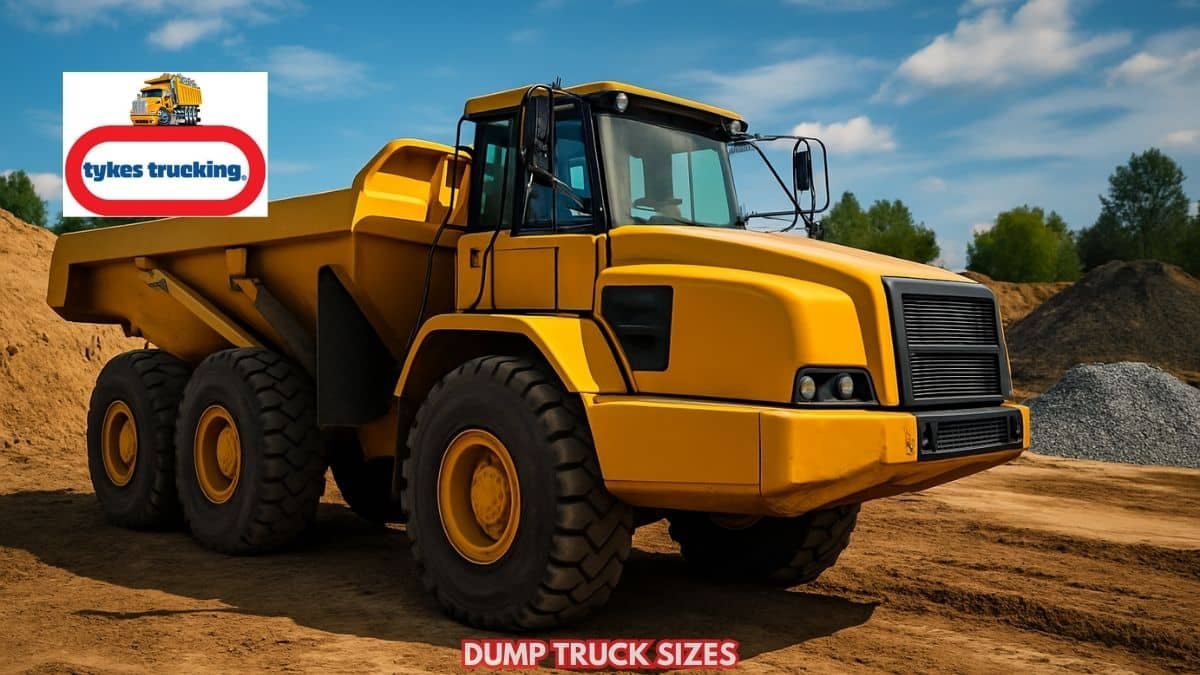
Articulated dump trucks, with a hinge between the cab and the bed, excel on uneven terrain or challenging landscapes.
Transfer dump trucks are ideal for projects needing additional load capacity, as they allow for extra trailers to be attached.
Understanding the different types helps in matching the truck to the specific needs and conditions of your project.
🚚 A Comprehensive Guide to Excavation Hauling Services in Marikina: What You Need to Know
3. What You Need to Know About Load Capacity
Load capacity refers to the maximum weight a dump truck can carry in a single trip, typically measured in cubic yards or tons.
Smaller dump trucks have capacities of around 3 to 6 cubic yards, making them suitable for light-duty jobs.
Larger trucks can haul between 15 and 30 cubic yards, accommodating more substantial loads for industrial use.
Selecting a truck with the appropriate load capacity is essential to avoid overloading, which can damage the truck and create safety risks.
It’s also important to match the truck’s capacity to the materials being moved, as some materials weigh more per cubic yard than others.
🚚 The Role of Refrigerated Trucking Services in Marikina in the Supply Chain
4. Key Specifications for Choosing a Dump Truck
When selecting a dump truck, several key specifications help you decide if it is the right choice for your project.
Engine power is important because it affects how well the truck can move heavy materials without slowing down.
The number of axles also matters because it affects how much weight the truck can support and how stable it is on different surfaces.
You should also look at the gross vehicle weight rating since the GVWR tells you the maximum safe weight of the truck when it is fully loaded.
Bed size, which is measured in cubic yards, helps you understand how much material the truck can carry in each trip.
A larger bed may reduce the number of trips needed, but it must still match the weight rules for your area.
Fuel efficiency is another important factor because it affects how much you will spend on fuel during long or repeated hauls.
Transmission type also plays a role since it can make the truck easier to control and better suited for different kinds of job sites.
🚚 Secure Your Load, Secure Your Crew: A Guide to Flatbed Truck Fall Protection

5. Ensuring Dump Trucks Fit Your Loading and Dumping Equipment
Choosing a dump truck that matches the size of your loaders or excavators helps keep work moving at a steady pace.
The truck bed should be easy for your equipment to reach so each bucket can be placed safely and without struggle.
When the truck is too large or too small for the loading equipment, it can lead to slower filling times and wasted effort.
The dump bed height should also match the needs of hoppers or crushers so the truck can unload without problems.
Making sure all equipment works well together improves cycle times and supports a smooth workflow on the job site.
🚚 What Happens at the Back of the Garbage Truck? Understanding the Mechanisms
6. Assessing Your Project Requirements
Before choosing a dump truck size, it is important to understand the specific needs of your project so you can work safely and efficiently.
The type of material you plan to move affects the dump truck capacity you need because light soil, heavy rocks, or asphalt all have different weights.
If you work in construction and mining, you may need a truck that can handle heavier loads and rougher ground.
The size and layout of your worksite also matter since a large truck may have trouble turning or backing up in tight spaces.
You should think about how far the truck must travel on each trip because long routes can increase fuel use and time on the job.
The number of trips you expect the truck to make can also affect the size that works best for you.
A truck that is too small may require many trips, while a very large truck may cost more to run than you need.
By looking at all these factors, you can choose a dump truck that matches your project without wasting time or money.
🚚 How to Choose the Right Reefer Truck Rental for Your Needs
7. Maneuverability: Finding the Right Fit for Job Sites
The ability of a dump truck to move efficiently on the job site is essential, especially if space is limited or the terrain is rough.
Smaller trucks generally offer better maneuverability, making them suitable for urban or residential areas with tight corners or narrow paths.
Larger trucks, while offering greater capacity, may struggle with sharp turns or uneven ground.
Articulated dump trucks are ideal for job sites with rugged terrain, as their flexible design allows them to handle slopes and rough surfaces more easily.
The right balance between size and maneuverability ensures smoother operations on your site.
🚚 How Does Dump Truck Exhaust Affect Air Quality On Construction Sites?
8. Understanding Regulatory and Legal Considerations
Dump truck sizes and weights are regulated by laws that set strict weight limits for trucks that travel on public roads.
These rules often list the maximum lbs a truck can carry based on its size and axle setup.
Exceeding these limits can lead to fines and can also create safety risks for the driver and other people on the road.
It is important to check the rules in your area because each state or region may set different limits for certain road types.
You may also need a special permit if your truck must carry a load that is heavier than the standard limit.
Some permits require you to follow certain routes or travel only during certain hours to reduce risk.
By following these rules, you help keep your work legal and protect the people who share the road with your truck.
🚚 Heavy Hauling Services in Marikina: What You Need to Know Before Hiring
9. Cost Factors Associated with Dump Truck Sizes
The size of the dump truck has a direct impact on both its initial cost and long-term operating expenses.
Larger trucks generally come with a higher price tag due to their increased load capacity and more powerful engines.
Beyond the purchase price, you also need to factor in fuel consumption, maintenance, and repair costs, which tend to rise with bigger trucks.
In addition, insurance costs for larger trucks are typically higher due to their increased value and potential for higher liability.
Balancing the cost against the truck’s operational efficiency and your project’s budget is key to making a financially sound decision.
🚚 How to Come Up with Catchy Dump Truck Names for Your New Rig
10. Safety Features to Consider in Dump Trucks
Safety should be a top priority when selecting a dump truck, as these vehicles are often used in challenging environments.
Modern dump trucks are equipped with features like backup cameras, blind spot monitoring, and automatic braking systems to reduce the risk of accidents.
Load monitoring systems can help prevent overloading, which not only protects the truck but also ensures compliance with safety regulations.
Reinforced cabs and rollover protection systems provide added security for the driver in case of an accident.
Choosing a dump truck with advanced safety features minimizes risk and promotes a safer work environment.
🚚 Aggregate Transport Services with Dump Trucks
11. Tips for Selecting the Perfect Dump Truck for Your Needs
To select the best dump truck, begin by understanding the full scope of your project and the kind of materials you need to move.
This helps you compare different dump truck sizes so you can find one that fits your load volume and the layout of your worksite.
You should also look at load capacity, engine strength, and how easily the truck can turn or move in tight spaces.
Legal rules in your area may limit the size or weight of the truck you can use, so it is important to check these before making a choice.
Speaking with a supplier or an industry expert can help you understand which truck works best for your type of work.
By reviewing all these points, you can choose a dump truck that supports smooth and safe operations.
🚚 Best Dump Truck Services in Marikina
💡 Conclusion
Choosing the right dump truck size requires a thoughtful analysis of your project’s unique needs.
By considering factors like load capacity, maneuverability, and regulatory requirements, you can find a truck that improves efficiency and reduces costs.
Selecting a truck that aligns with your budget and job site conditions ensures smoother operations and fewer complications.
Remember that the wrong size can lead to inefficiencies, higher costs, and safety risks.
Making an informed decision will help you optimize your workflow and ensure the success of your project.
❓ FAQs
1. What is the most important factor when choosing a dump truck size?
The most important factor is the type and weight of the material you need to move.
Some materials are light while others are heavy, so the right size depends on how much weight the truck can safely carry.
You should also think about your worksite space and the equipment you use for loading.
2. How do I know if a dump truck is too big for my project?
A dump truck may be too big if it has trouble moving in tight areas or if your equipment cannot load it safely.
Large trucks also cost more to run and may waste fuel if you do not need their full capacity.
Checking your worksite layout helps you decide if a smaller truck is a better fit.
3. Why does load capacity matter when selecting a dump truck?
Load capacity affects how much weight the truck can carry without damage or safety risks.
A truck that is overloaded can break parts or cause accidents on the road.
Choosing the right capacity helps protect the truck and keeps your work moving smoothly.
4. What kind of dump truck works best for rough or uneven ground?
Articulated dump trucks work well on rough or uneven ground because they bend at the middle and move safely over slopes.
They also offer better control in areas that are not flat or stable.
If your worksite has soft soil or steep paths, they can handle the conditions better than standard trucks.
5. How can I lower costs when choosing a dump truck for my project?
You can lower costs by choosing a size that matches your real needs instead of going bigger than necessary.
A truck that is the right size uses less fuel and needs fewer repairs over time.
Planning your loads and choosing trucks that fit your worksite can also help you avoid delays and wasted trips.
😉 Our Services
Tykes Trucking Services is your trusted partner for delivering aggregates and reliable hauling services.
We are committed to providing efficient and timely transport for all your material needs, whether for construction, landscaping, or other projects.
With a focus on customer satisfaction, we ensure that every job is done professionally and on schedule.
Contact us today at 0917-543-5019, through our Facebook page, or via our site’s contact form for more information.
Let Tykes Trucking Services handle your hauling needs with ease and expertise!