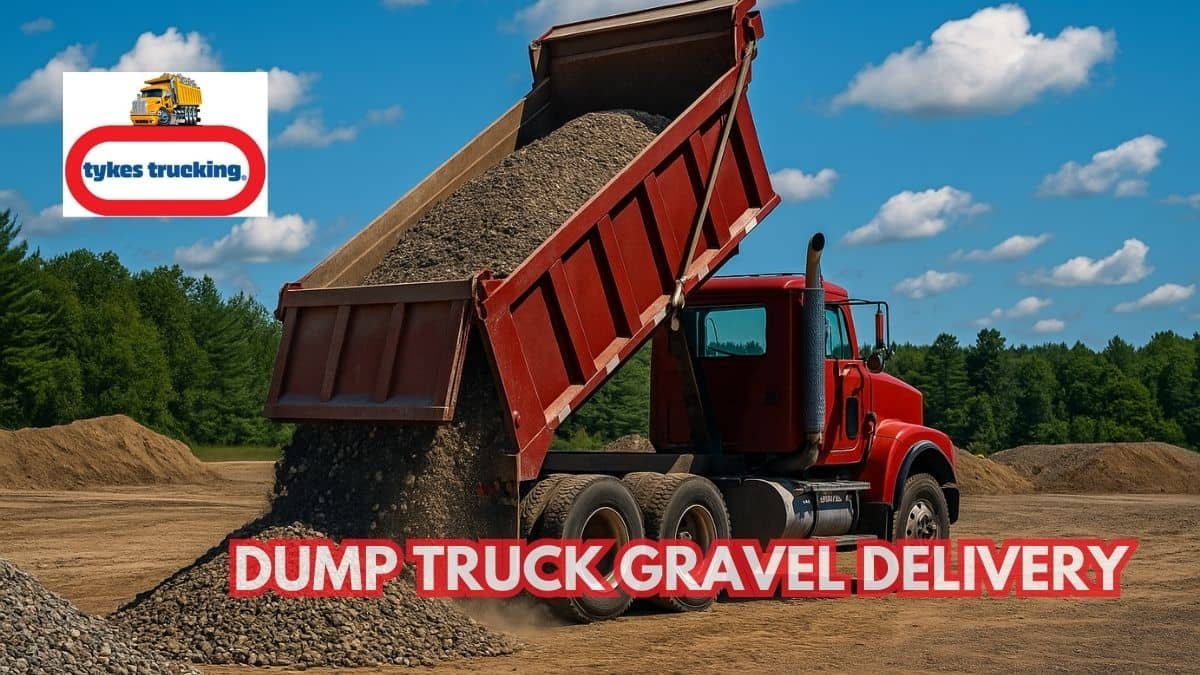
Dump Truck Gravel Delivery is an essential service for construction and landscaping projects, but it comes with safety risks.
Drivers, workers, and even people near the site can be harmed if safety steps are ignored.
Accidents may happen during driving, unloading, or even while preparing the truck.
Knowing what precautions to take helps prevent injuries and equipment damage.
We’ll list key safety considerations that should always be followed.
1. Personal Protective Equipment (PPE) Usage
Workers must wear hard hats to protect themselves from falling gravel or loose debris at the site.
Gloves are also important because they prevent cuts and skin injuries when tools, tarps, or other materials need to be handled.
Steel-toe boots give added protection against crushed feet if heavy gravel spills or equipment is moved.
Reflective vests make workers more visible to truck drivers and help reduce the risk of accidents in areas with constant movement.
Safety glasses or goggles protect eyes from dust and flying particles that may cause harm.
Following these safety steps also shows the customer that the delivery service values responsibility and takes worker protection seriously.
When workers use proper protective equipment, the job is safer and more efficient for everyone involved.
🚚 Why Dump Truck Debris Removal Is Essential for Safe Roadwork Projects
2. Regular Truck Inspections And Maintenance
Before a truck is used, the brakes, tires, and lights should always be checked.
Hydraulic parts that raise and lower the bed need careful inspection to prevent failure during unloading.
Oil levels and fluid leaks must also be monitored to keep the truck reliable.
Fixing small issues quickly helps avoid larger and more costly breakdowns later.
A truck in good condition is less likely to cause accidents on the road or at the worksite.
🚚 Why Safety Matters When Using Dump Trucks For Construction Hauling
3. Awareness Of Surroundings And Hazards
Drivers should always check for low-hanging wires before raising the truck bed.
Workers nearby need to stay clear of moving parts and heavy machinery.
Uneven or soft ground can be dangerous if the truck becomes unstable.
Blind spots around the vehicle are also a common risk that requires extra attention.
Staying alert to all of these hazards helps reduce accidents.
🚚 Conquering Your Construction Project: The Essential Guide to Construction Hauling Services
4. Secure Gravel Load With Tarps Or Nets
Covering the gravel with a tarp or net keeps the material inside the truck while it is moving.
Without a cover, small rocks can scatter on the road and create slippery spots that put other vehicles at risk.
The same safety step applies when hauling sand, mulch, or limestone, since all of these materials can spill or blow away during transport.
A properly secured load also prevents damage to nearby cars and keeps pedestrians safe from flying debris.
Tarps and nets should be inspected before each trip to make sure they are strong enough and free of tears.
They must be fastened tightly so they do not loosen or flap open in strong winds.
Drivers should also double-check the tarp after traveling long distances, as movement of the load can cause shifts.
Securing the material protects the public, keeps the roadways clean, and ensures the delivery is completed safely.
🚚 Millimeters Matter: The Importance of Garbage Truck Turning Radius in Tight Streets
5. Level And Stable Unloading Ground
The truck must always be parked on level and solid ground before the bed is lifted to release the gravel.
If the ground is uneven, the truck may lean to one side, and there is a serious risk of tipping.
Soft soil is especially unsafe because the heavy weight of the truck can cause the tires to sink and lose balance.
This is important when unloading near a driveway or a yard where the surface may not be strong enough to hold the load.
Drivers should carefully check the site in advance and make sure it is suitable for heavy dumping.
Unloading near slopes, edges, or weak ground increases the danger of accidents and equipment damage.
A stable area ensures that materials such as gravel or topsoil can be delivered safely and spread as needed without creating hazards.
🚚 Why a Flatbed Truck Tent Is the Ultimate Game Changer for Outdoor Enthusiasts
6. Clear Communication With Delivery Personnel
Drivers and workers should agree on hand signals or use radios before starting the job.
Misunderstandings can result in dumping gravel in unsafe or incorrect spots.
Clear instructions from site supervisors help keep everyone coordinated.
Communication is especially important when visibility is limited by dust or equipment.
A shared system of signals reduces confusion and delays.
🚚 Why Investing in Commercial Truck Accessories Pays Off Long Term
7. Driver Stays Seated With Seat Belt During Dumping
The driver should never leave the cab during the dumping process.
The seat belt keeps the driver secure in case the truck shifts unexpectedly.
Leaving the seat could expose the driver to falling gravel or sudden movement of the truck.
Staying in control ensures that the vehicle remains stable during unloading.
This practice also helps the driver respond quickly if something goes wrong.
🚚 Don’t Get Caught Off Guard: An Essential Guide to Dump Truck Height Clearance
8. Even Distribution Of Gravel Load
When gravel is placed in the truck bed, it must be spread evenly to keep the weight balanced.
A lopsided load makes the truck harder to steer and can put stress on the tires and suspension.
During unloading, an uneven pile of gravel can shift suddenly, which increases the chance of tipping the truck.
This is especially important when carrying heavy materials measured by the ton, since even small imbalances can become dangerous.
River gravel, which is often round and smooth, can roll and shift more easily if it is not spread evenly.
Proper distribution also helps workers spread the gravel more quickly and evenly at the site, saving time and effort.
Keeping the load balanced makes hauling safer and ensures the delivery is done efficiently without unnecessary risks.
🚚 Conquering the Can: The Power of the Garbage Truck With Arm
9. Adherence To Traffic And Site Speed Limits
Dump trucks are heavy and take longer to stop than smaller vehicles.
Following speed limits on public roads prevents accidents with other drivers.
On-site, trucks should move at much slower speeds to avoid striking workers or equipment.
High speeds inside work zones can cause serious injuries or property damage.
Keeping speed under control ensures safer delivery.
10. Clear Unloading Zone Before Dumping
The area where gravel will be dumped must be cleared of workers, tools, and vehicles.
Falling gravel can cause severe injuries to anyone nearby.
Equipment in the unloading zone can also be damaged by the heavy material.
Workers should keep a safe distance until the truck has finished dumping.
This rule ensures that only the truck is exposed to risk during unloading.
🚚 Professional Dump Truck Rental Services in Marikina
💡 Conclusion
Safe Dump Truck Gravel Delivery requires more than just driving from one place to another.
Each step, from securing the load to clearing the unloading zone, plays a role in protecting workers and drivers.
Following these practices lowers the chance of accidents and makes the job more efficient.
Both truck operators and site crews share responsibility for safety.
By paying attention to these details, gravel delivery can be completed without harm.
😉 Our Services
Tykes Trucking Services delivers aggregates and offers reliable hauling for your project needs.
Our team is trained, on time, and careful with your materials.
We serve homes, builders, and businesses with fair pricing and clear updates.
Call 09175435019, message our Facebook page, or use the contact form on our site to reach us today.
Choose Tykes Trucking Services for fast service, safe delivery, and a job done right.
❓ FAQs
1. Why is securing the gravel load with a tarp or net important?
Securing the load keeps gravel from spilling onto the road, which can cause accidents.
It also prevents small rocks from flying out and damaging nearby vehicles or property.
A properly covered load protects both the driver and the public.
2. What should drivers check during regular truck inspections?
Drivers should look at brakes, tires, lights, and hydraulic parts before every trip.
Checking for leaks or low fluid levels is also important.
A full inspection reduces the risk of mechanical failure during delivery.
3. How can workers stay safe around a dump truck during unloading?
Workers should keep a clear distance from the dumping area.
They should also wear safety gear like hard hats, gloves, and reflective vests.
Clear communication with the driver helps prevent mistakes.
4. What happens if gravel is not evenly distributed in the truck bed?
An uneven load can cause the truck to sway or tip over.
It also makes it harder to control the truck while driving.
Spreading the load evenly keeps the truck stable and makes unloading safer.
5. Why is it important for the driver to stay seated with a seat belt during dumping?
The seat belt keeps the driver safe if the truck shifts or jolts suddenly.
Staying in the cab ensures the driver can quickly respond if something goes wrong.
Leaving the seat could expose the driver to falling gravel or sudden truck movement.