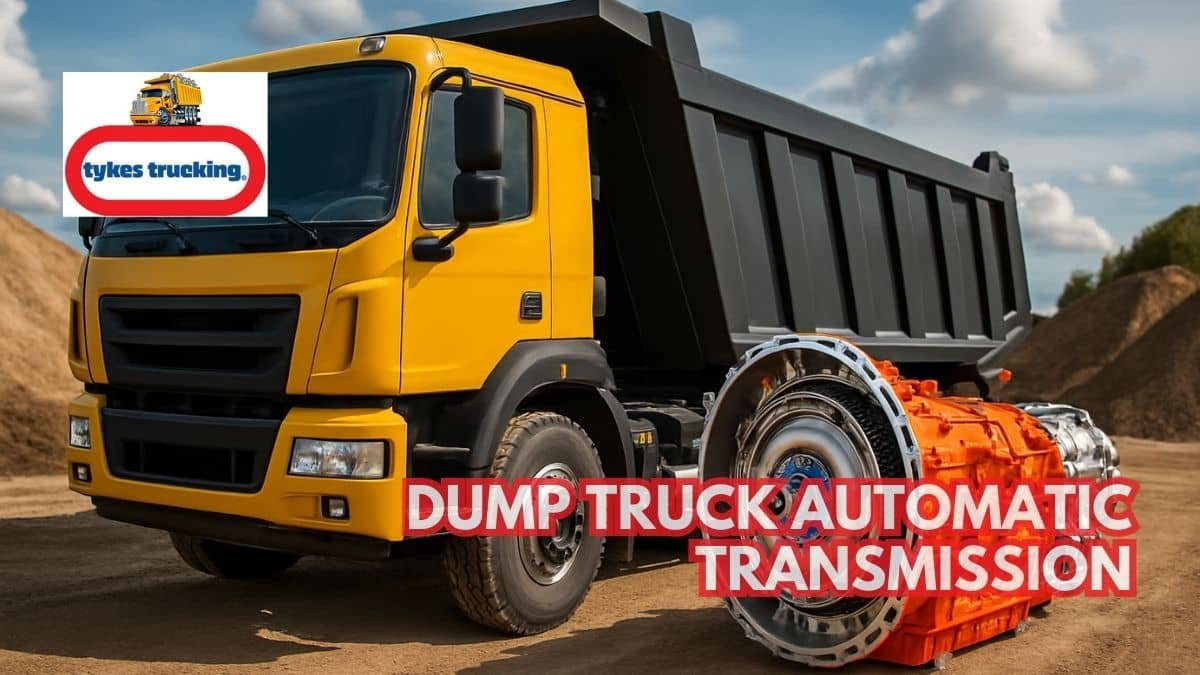
Mastering a dump truck automatic transmission starts with knowing how the system works and why it is important.
These transmissions make driving easier by handling gear changes on their own, which allows the driver to focus more on safety and control.
Learning how to use the transmission correctly can improve performance and help the truck last longer.
Drivers also need to understand maintenance tasks that keep the transmission in good condition.
We’ll explain the key parts, proper driving methods, and practical tips that every dump truck operator should know.
1. Understanding Dump Truck Automatic Transmissions
Dump truck automatic transmissions are built to manage the heavy loads and long hours that come with demanding work.
These systems rely on electronics and hydraulic controls to shift gears at the right time based on speed, load, and driving conditions.
Key parts like the torque converter and planetary gears play an important role in how power from the engine is delivered to the wheels.
Drivers also need to understand how transmission modes, such as economy and power settings, change performance depending on the task.
The type of brand and model of the dump truck can affect how advanced these features are and how well they integrate with the rest of the vehicle.
Strong chassis design and the use of steel in the frame support the transmission by keeping the truck stable under pressure.
This balance between the body and the transmission is what makes a dump truck reliable for heavy hauling.
Learning these details helps drivers get the best performance while reducing strain on the system and extending its life.
🚚 Why Commercial Dump Truck Hauling Is Essential for Large-Scale Earthmoving
2. How Dump Truck Automatic Transmissions Work
Automatic transmissions in dump trucks work by choosing the right gear ratio through sensors and computer controls that react to driving conditions.
Instead of using a clutch like in older systems, they rely on a torque converter to move engine power to the wheels in a smooth and steady way.
This setup allows the truck to speed up or slow down without jerks, even when carrying heavy loads.
The transmission monitors engine load, vehicle speed, and throttle input at all times, then shifts gears to keep performance balanced.
Many dump trucks powered by diesel engines, including those with Cummins models, depend on these transmissions to handle the strong torque needed for tough hauling work.
By learning how the system makes these choices, drivers can better predict how the truck will respond when driving on different terrains or under heavy strain.
Knowing these details also helps operators notice early signs of problems, which can make troubleshooting and repairs faster and easier.
🚚 How to Choose the Right Dump Trucks for Residential Construction for Your Site
3. Shifting Gears Like a Pro
While automatic transmissions manage most gear changes on their own, drivers who want to shift like a pro should learn how and why these shifts take place.
Paying attention to engine sounds and watching the tachometer can help identify the best times to step in with manual control when the truck allows it.
This awareness is especially useful when driving with heavy loads, moving uphill, or controlling speed on a long downhill road.
Using manual mode when needed gives drivers greater control over power delivery, which improves handling and keeps the truck steady.
Comparing this to a manual transmission helps drivers understand how automatic systems still benefit from human input in certain situations.
Mastering this balance results in smoother driving, better fuel use, and less strain on transmission components.
🚚 Dump Truck Tire Size Matters: Impact on Performance and Cost
4. Gear Selection for Optimal Performance
Gear selection plays a critical role in achieving optimal performance with dump truck automatic transmissions.
Automatic transmissions often have manual modes, allowing drivers to choose specific gears for challenging terrains or heavy loads.
Selecting the appropriate gear can help maintain engine efficiency, reduce fuel consumption, and enhance vehicle handling.
Understanding when to override the automatic system is essential for navigating steep inclines or descending hills safely.
By making informed gear choices, drivers can optimize their truck’s performance and extend the transmission’s life.
🚚 Trucking and Hauling Services in the Philippines
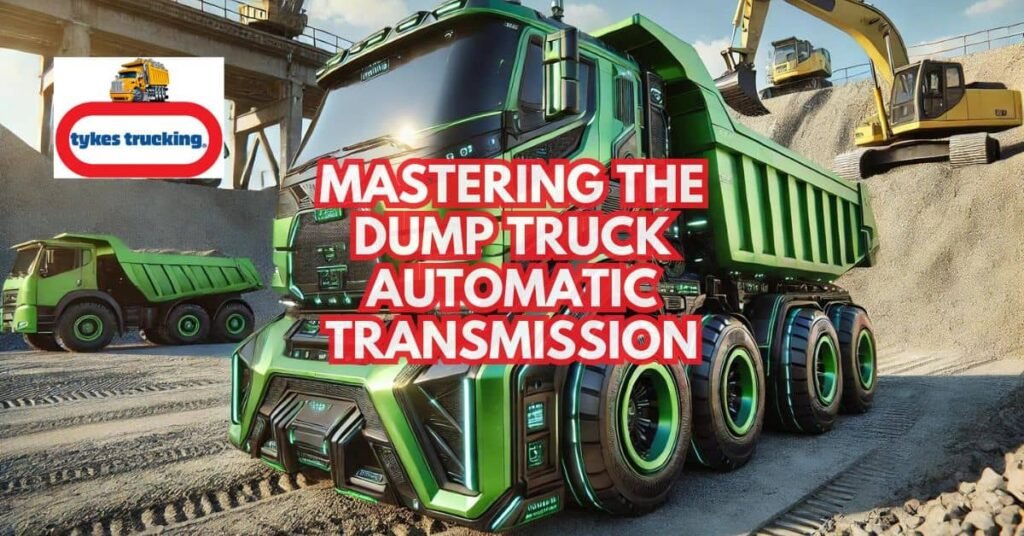
5. Getting the Most Out of Your Torque Converter
The torque converter is a vital component in automatic transmissions, acting as a bridge between the engine and the transmission.
It allows the engine to run while the vehicle is stationary, providing a smooth and gradual transfer of power.
Understanding how to use the torque converter effectively can lead to better acceleration and improved fuel efficiency.
For example, allowing the converter to lock up at cruising speeds can reduce engine RPM and save fuel.
Maximizing the benefits of the torque converter involves knowing when to ease off the throttle and let it do its job, ensuring a smoother ride and less strain on the transmission.
🚚 How Does a Dump Truck Tailgate Lock Enhance Safety on Construction Sites?
6. Transmission Cooling Systems
Automatic transmissions in dump trucks create a large amount of heat when carrying heavy loads or working for long hours.
Too much heat can damage parts inside the transmission and shorten its life.
Cooling systems use the radiator and sometimes extra coolers to keep the transmission fluid at a safe temperature.
Good airflow around the cooler helps the system work better and stops the fluid from breaking down.
By keeping the transmission cool, drivers can avoid costly repairs and keep their trucks running smoothly.
🚚 Flatbed Truck Stake Sides: Safety and Security Combined
7. Essential Maintenance for Long Transmission Life
Regular maintenance is crucial for prolonging the life of a dump truck’s automatic transmission.
Key maintenance tasks include checking and replacing transmission fluid, inspecting seals and gaskets for leaks, and ensuring the cooling system is functioning correctly.
Transmission fluid should be changed according to the manufacturer’s guidelines, as dirty fluid can lead to overheating and increased wear.
Regular inspections can identify early signs of wear or damage, preventing more severe problems down the line.
By following a consistent maintenance schedule, drivers can avoid costly repairs and keep their transmission in excellent condition.
🚚 Know Your 40-Foot Flatbed Trailer Dimensions: Avoid Oversized Loads
8. Troubleshooting Common Transmission Problems
Common issues with dump truck automatic transmissions include slipping, overheating, and delayed shifting.
Slipping occurs when the transmission unexpectedly changes gears, often due to low fluid levels or worn-out components.
Overheating can result from insufficient cooling, leading to degraded transmission fluid and increased wear on parts.
Delayed shifting might be caused by issues with the transmission’s electronic control system or clogged filters.
Understanding these common problems and their causes allows drivers to take proactive measures, such as regular fluid checks and system diagnostics, to prevent more severe damage.
🚚 What Are the Safety Considerations for Dump Truck Gravel Delivery?
9. Tips for Extending Transmission Lifespan
Extending the lifespan of a dump truck’s automatic transmission requires drivers to operate the vehicle carefully and follow a regular maintenance schedule.
Avoiding sudden starts, hard braking, and unnecessary idling reduces stress on the transmission and prevents early wear.
Checking transmission fluid levels often and replacing fluid when it looks dirty or smells burnt helps protect the system from overheating.
It is also important to keep the vehicle load within the recommended capacity, since hauling too much weight can place extra strain on the gears and cooling system.
Drivers should listen for unusual noises or feel for delayed shifts, as these may be early warning signs of problems.
By following these simple habits, operators can keep the transmission dependable and extend its service life.
🚚 Why Dump Truck Debris Removal Is Essential for Safe Roadwork Projects
10. Fuel-Efficient Driving with Automatic Transmission
Driving a dump truck with an automatic transmission efficiently can significantly impact fuel consumption.
Smooth acceleration and gradual braking help maintain momentum and reduce fuel usage.
Keeping the vehicle within the optimal speed range for the engine can also enhance fuel efficiency.
Using cruise control on long, flat stretches helps maintain a constant speed, reducing unnecessary gear changes.
By understanding how transmission behavior affects fuel economy, drivers can make conscious decisions to drive more economically.
🚚 Dump Truck Hauling Solutions
11. The Future of Dump Truck Automatic Transmissions
The future of dump truck automatic transmissions will bring steady improvements in technology that make systems more efficient and longer lasting.
New features, such as adaptive learning, allow the transmission to adjust to the habits of individual drivers, which can reduce wear and improve fuel use.
Electric and hybrid powertrains are also being added to dump trucks, helping lower emissions while still handling the heavy loads required in construction and hauling.
These changes give drivers more control, smoother performance, and safer operation in a variety of working conditions.
Buyers looking at a dump truck for sale in the future will likely see models equipped with smarter electronics, stronger cooling systems, and more durable components.
Understanding these trends now helps drivers and fleet managers prepare for smarter purchases and better long-term planning.
🚚 Experienced Dump Truck Services in Marikina City
💡 Conclusion
Mastering your dump truck’s automatic transmission requires a blend of understanding its mechanics, practicing good driving habits, and keeping up with regular maintenance.
By focusing on proper gear selection, effective use of the torque converter, and consistent upkeep, drivers can ensure optimal performance and longevity of their transmission.
Embracing new technologies and techniques can further enhance driving efficiency and adaptability.
A well-maintained transmission leads to smoother operations, lower costs, and improved safety on the road.
Equipped with these insights, drivers can confidently manage their dump trucks for years to come.
😉 Our Services
Tykes Trucking Services offers reliable delivery of aggregates and expert hauling services tailored to meet your needs.
Whether you’re working on a construction project or need materials transported, we ensure timely and efficient service.
Our experienced team is dedicated to providing high-quality service at competitive prices.
For inquiries or to schedule a service, contact us at 09175435019, through our Facebook page, or via the website’s contact form.
Trust Tykes Trucking Services for all your aggregate delivery and hauling requirements.
❓ FAQs
1. How often should I change the transmission fluid in my dump truck’s automatic transmission?
Transmission fluid should be checked often and replaced based on the manufacturer’s schedule.
In most heavy-duty trucks, this may range from every 30,000 to 60,000 miles.
Always check the fluid level and color because dirty or low fluid can cause overheating.
Following the right schedule helps prevent damage and costly repairs.
2. What are the signs of overheating in a dump truck automatic transmission?
Common signs include slipping gears, a burning smell, delayed shifting, or warning lights on the dashboard.
Overheating usually happens when the fluid gets too hot or the cooling system is not working well.
If you notice these signs, stop driving and check the transmission fluid and cooler.
Quick action can prevent serious damage.
3. Can I drive uphill or downhill safely with an automatic transmission?
Yes, but you should use the correct gear settings.
When driving uphill, selecting a lower gear helps maintain power and prevents the transmission from working too hard.
When going downhill, lower gears give you better control and reduce strain on the brakes.
Knowing when to override the automatic system keeps driving safe and efficient.
4. Why is the torque converter important in a dump truck automatic transmission?
The torque converter connects the engine to the transmission and lets the truck move smoothly without a clutch.
It helps transfer power while the truck is stationary and provides steady acceleration.
A well-working torque converter also improves fuel efficiency.
Learning how to ease off the throttle at the right times makes it work even better.
5. How can I make my dump truck’s automatic transmission last longer?
Good driving habits and regular care are the keys.
Avoid sudden starts and stops, do not overload the truck, and keep the fluid clean.
Inspect the transmission system often to catch problems early.
Using the right gear for the terrain also reduces stress on the system.
With these steps, your transmission can last many years.